AI Alignment: Future Outlook and Emerging Challenges
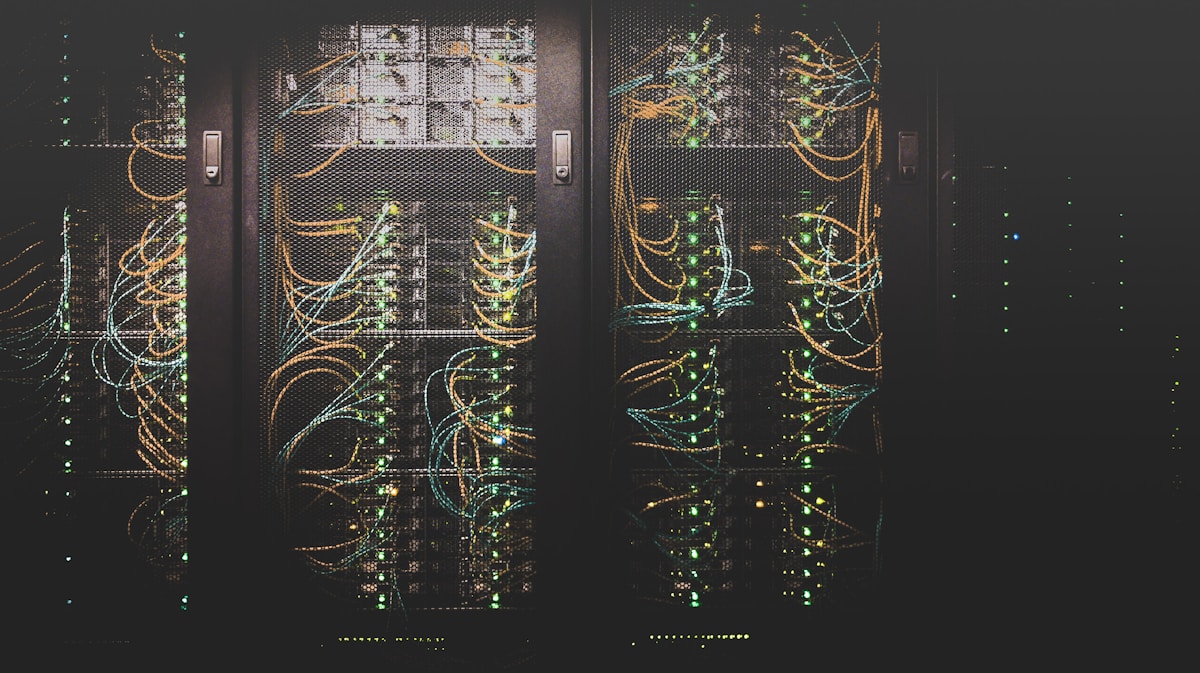
Image credit: Image: Unsplash
AI Alignment: Future Outlook and Emerging Challenges
As AI models become exponentially more capable, the urgency of AI alignment research has never been more pressing. The core objective is to ensure that artificial intelligence systems operate consistently with human values and intentions, mitigating potential risks. As of April 2026, we observe a transition from purely theoretical approaches to more empirical and scalable solutions, with a keen eye on the future.
Interpretability and Transparency: The Foundation of Alignment
A critical area of advancement is model interpretability (XAI). Tools like LIME and SHAP, while useful for simpler models, are being supplemented by novel techniques for deep neural networks, such as neuron attribution and circuit analysis. Institutions like Anthropic and DeepMind are leading efforts to develop methods that allow researchers to understand not just what a model does, but how it does it. The ability to audit and debug an AI's internal reasoning will be fundamental to building trust and ensuring aligned behaviors, especially in systems exhibiting emergent capabilities.
Reinforcement Learning from Human Feedback (RLHF) and Beyond
RLHF has proven an effective method for aligning large language models (LLMs) with human preferences, as seen in the success of models like GPT-4 and Gemini. However, challenges persist in scalability and representing the complexity of human values. Future research focuses on
AI Pulse Editorial
Editorial team specialized in artificial intelligence and technology. AI Pulse is a publication dedicated to covering the latest news, trends, and analysis from the world of AI.



Comments (0)
Log in to comment
Log in to commentNo comments yet. Be the first to share your thoughts!