AI and Employment: Navigating the Future of Work in 2026
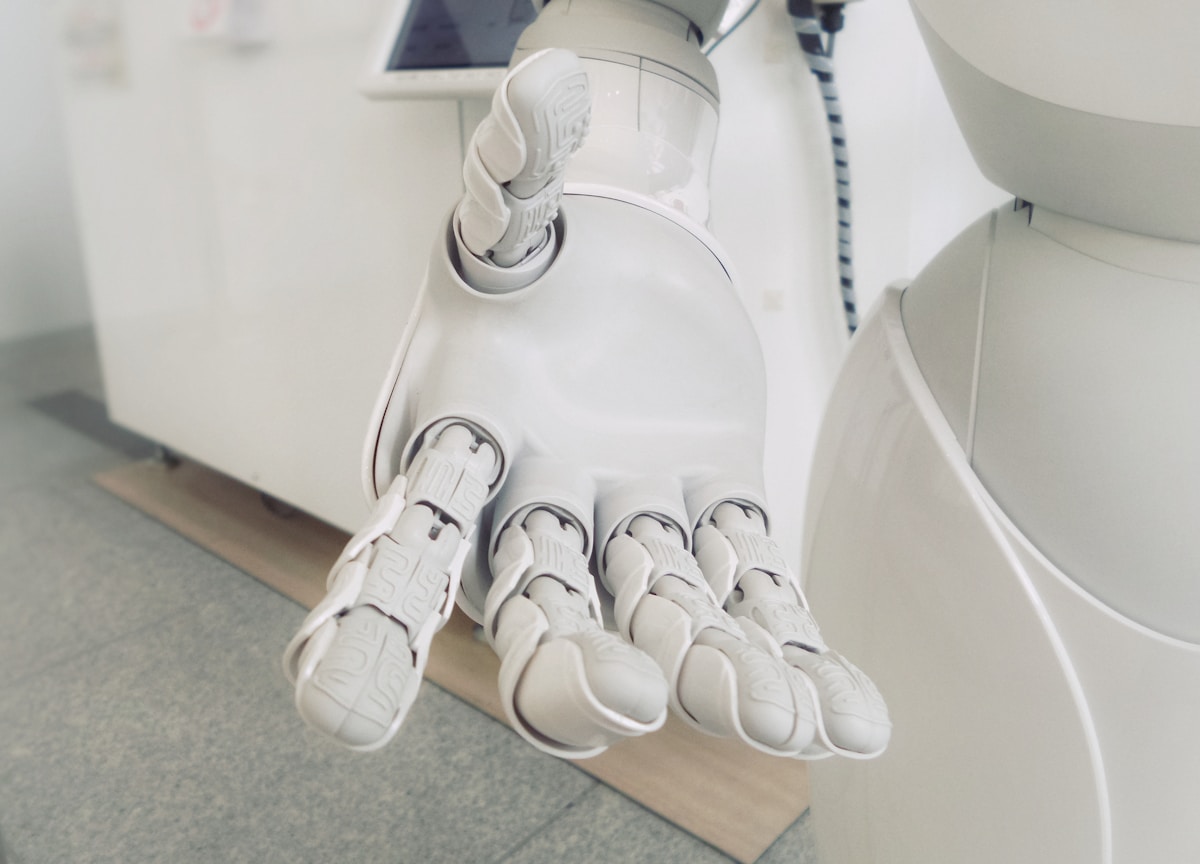
Image credit: Image: Unsplash
AI and Employment: Navigating the Future of Work in 2026
From rapid advancements in language models like GPT-4 and Gemini to sophisticated robotic automation, Artificial Intelligence (AI) has been a disruptive force in the job market. In 2026, we are no longer just speculating about AI's impact; we are actively experiencing it. The central question isn't whether AI will replace jobs, but how it will transform them and what new opportunities will emerge.
Transformation, Not Total Replacement
Reports from institutions like the World Economic Forum and McKinsey have long pointed to significant restructuring. Instead of a mass annihilation of jobs, we observe a paradigm shift. Repetitive, rule-based functions are increasingly automated, freeing humans for tasks requiring creativity, emotional intelligence, and critical thinking. For instance, AI assistants now handle much of basic customer service, while AI algorithms optimize supply chains and preliminary medical diagnostics.
New Roles and Essential Skills
The future of work in 2026 is shaped by the need for new competencies. We are seeing a growing demand for:
- Prompt Engineers: Professionals skilled in extracting the most value from AI models, making them more effective across various applications.
- AI Ethicists and Auditors: Individuals who ensure AI systems are fair, transparent, and aligned with human values, mitigating biases and risks.
- AI and Machine Learning Developers: The demand for engineers capable of building, deploying, and maintaining AI systems continues to grow exponentially.
- Human-AI Collaboration Specialists: Roles focused on optimizing the interaction between humans and AI systems to maximize productivity and innovation.
Companies like Google and Microsoft are heavily investing in upskilling their workforces, recognizing that human-machine collaboration is key to innovation.
Strategies for Success in an AI-Driven Job Market
To thrive in this new era, both individuals and organizations need to adopt a proactive approach:
- Continuous Learning: Invest in courses and certifications in AI, data science, and digital literacy. Platforms like Coursera and edX offer robust programs.
- Develop Human Skills: Focus on creativity, complex problem-solving, communication, and emotional intelligence—qualities AI cannot yet replicate.
- Collaborate with AI: Learn to use AI tools as a co-pilot, enhancing your productivity and expanding your capabilities.
- Adopt Flexible Policies: Companies should foster cultures that encourage AI experimentation and provide upskilling opportunities for their employees.
Conclusion
In 2026, AI is not an existential threat to employment but rather a catalyst for a fundamental redefinition of what it means to work. Those who embrace change, invest in new skills, and learn to collaborate with technology will be at the forefront of this new industrial revolution, building a more productive and, hopefully, more human-centric future of work. The era of human-AI partnership is just beginning, and the potential for innovation is limitless.
AI Pulse Editorial
Editorial team specialized in artificial intelligence and technology. AI Pulse is a publication dedicated to covering the latest news, trends, and analysis from the world of AI.

Comments (0)
Log in to comment
Log in to commentNo comments yet. Be the first to share your thoughts!