AI and Employment: Strategies to Thrive in the New Work Era
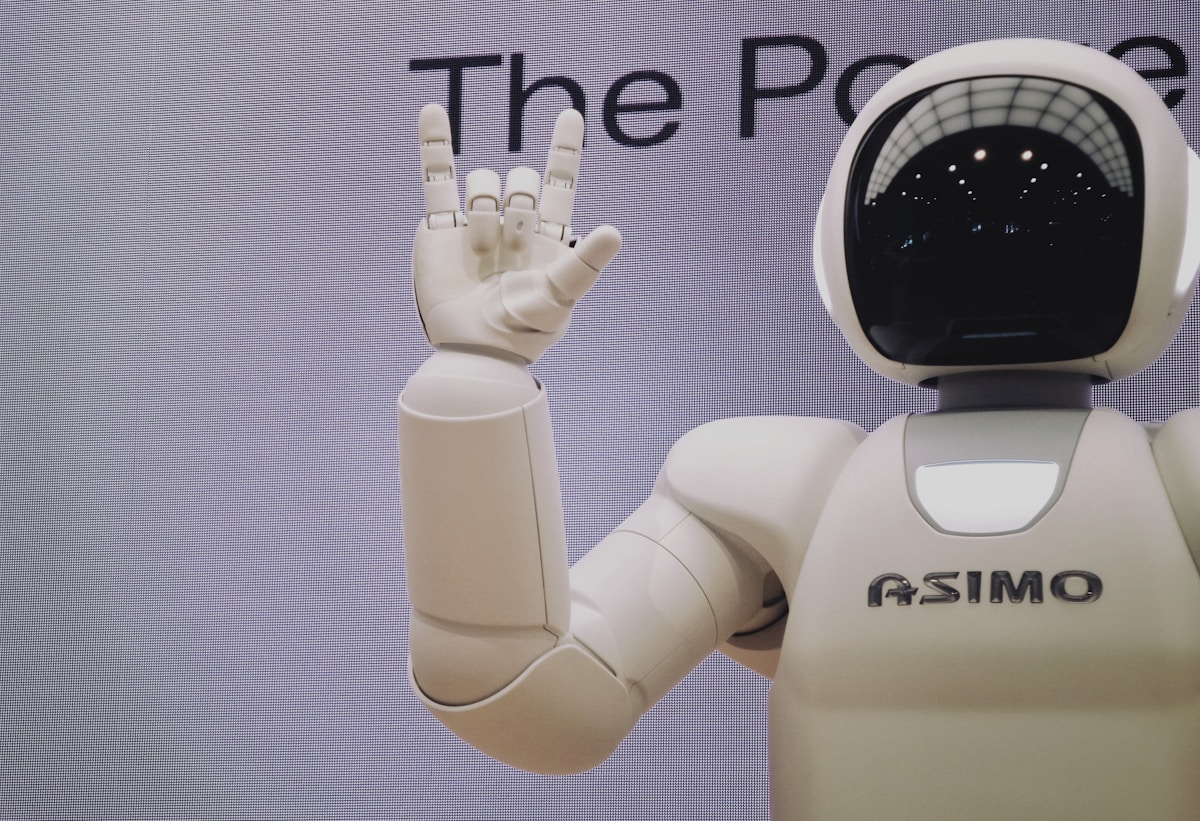
Image credit: Image: Unsplash
AI and Employment: Strategies to Thrive in the New Work Era
Artificial intelligence (AI) continues to be one of the most transformative forces of our era, redefining industries and, inevitably, the future of work. As of January 2026, the conversation is no longer about if AI will impact employment, but how we can prepare and thrive in this constantly evolving landscape. While automation may replace routine tasks, it also creates new roles and demands a different skill set. The key lies in adopting a proactive and strategic approach.
Reskilling and Continuous Learning: The Individual Imperative
For individuals, adaptability is the new currency. Reskilling and upskilling have become imperatives. Instead of fearing automation, workers should focus on developing skills that AI cannot yet easily replicate: creativity, critical thinking, emotional intelligence, and complex problem-solving. Platforms like Coursera, edX, and LinkedIn Learning offer courses in emerging fields such as prompt engineering, data analytics, and AI ethics. Companies like Google and IBM are already heavily investing in training programs for their employees, recognizing that human capital is their greatest asset. The pursuit of continuous learning is no longer a differentiator but a necessity for long-term employability.
Businesses: Innovation and Human-AI Collaboration
For businesses, the best practice is to integrate AI strategically, not just to cut costs, but to enhance productivity and innovation. This means rethinking workflows and empowering employees to collaborate with AI tools. Rather than replacing, AI can act as a co-pilot, freeing humans for higher-value tasks. For example, in healthcare, AI assists with diagnosis and drug discovery, while professionals focus on patient care and interaction. Microsoft, with its Copilot, exemplifies this approach, aiming to boost productivity across various applications. Investing in internal training and fostering a culture of AI experimentation are crucial for maintaining competitiveness and team morale.
Governments and Institutions: Policies for a Just Transition
Governments and educational institutions have a fundamental role in mitigating negative impacts and maximizing the benefits of AI on employment. This includes developing public policies that support large-scale reskilling, robust social safety nets for those in transition, and investments in digital infrastructure. Subsidy programs for tech training, partnerships between universities and businesses to develop relevant curricula, and tax incentives for companies investing in employee reskilling are examples of effective actions. The European Union has been exploring initiatives for a
AI Pulse Editorial
Editorial team specialized in artificial intelligence and technology. AI Pulse is a publication dedicated to covering the latest news, trends, and analysis from the world of AI.



Comments (0)
Log in to comment
Log in to commentNo comments yet. Be the first to share your thoughts!