AI and Human Creativity: Collaboration, Challenges, and the Future
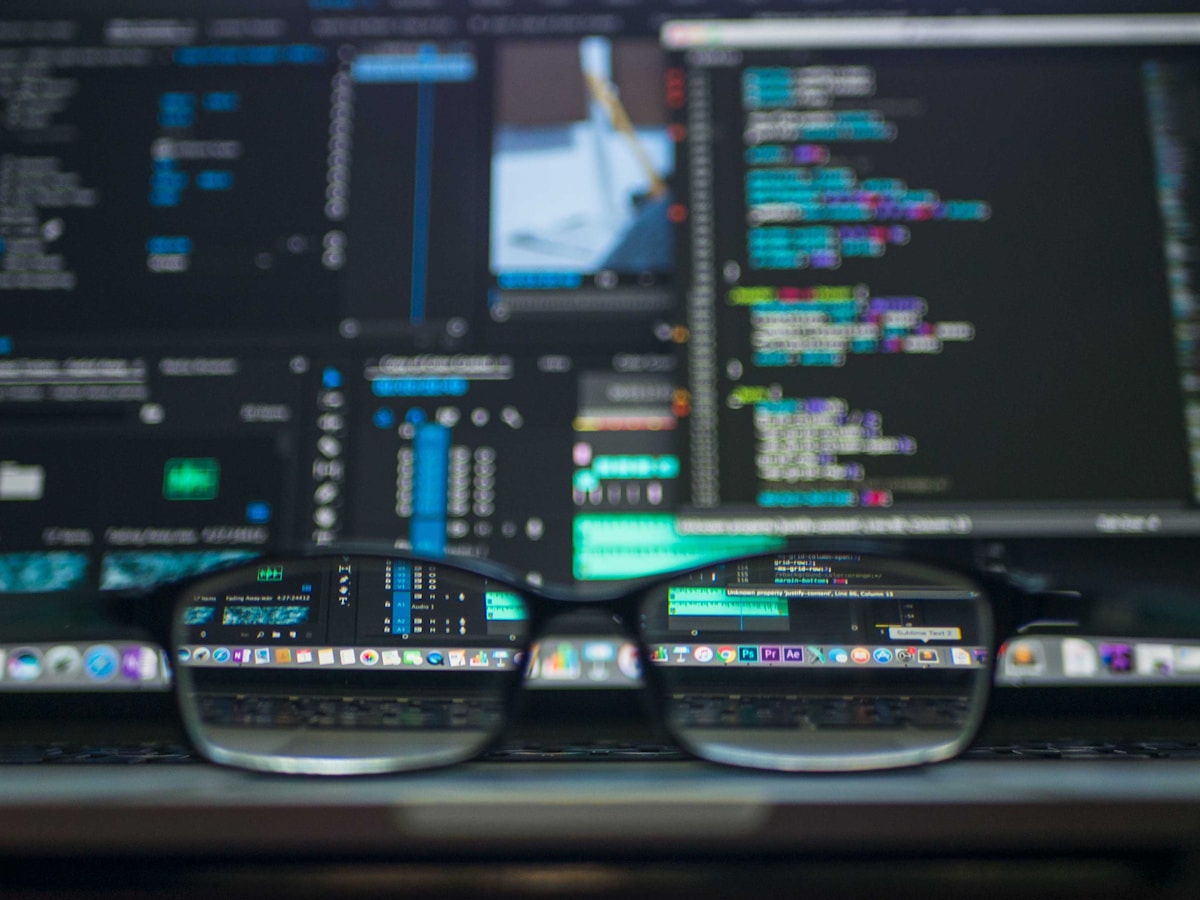
Image credit: Image: Unsplash
AI and Human Creativity: A New Era of Collaboration
From the earliest algorithms capable of generating simple melodies to the advanced generative models of 2026, Artificial Intelligence has been a disruptive force in the realm of human creativity. Far from being an existential threat to artists and creators, AI has emerged as a powerful collaborator, redefining what it means to innovate and express oneself. The question is no longer 'if' AI will be creative, but 'how' AI and humans can co-create more effectively.
AI as a Creativity Augmentation Tool
Today, AI doesn't replace the original spark of human creativity but amplifies it. Tools like DALL-E, Midjourney, and Stable Diffusion have evolved to allow designers and visual artists to explore countless concept iterations in minutes, saving hours of manual labor. In music, platforms such as Amper Music or AIVA assist composers in generating arrangements, themes, or even complete soundtracks, enabling them to focus on emotion and narrative. AI acts as a tireless brainstormer, a technical assistant, and a catalyst for novel ideas.
Ethical Challenges and the Question of Authorship
With the advancement of generative AI, significant ethical challenges arise. The question of authorship and intellectual property is central. Who is the true creator of an AI-generated work? The artist who provided the prompt, the model developer, or both? Companies like Adobe are implementing 'Content Authenticity Initiative' features to track the origin and AI usage in digital creations, aiming for transparency. Furthermore, concerns about using training data without consent and the potential dilution of human labor's value continue to be heated debates in global and legislative forums.
The Future of Co-creation: Hybrid Skills
The future of creativity lies in the symbiosis between humans and AI. Successful creative professionals in 2026 are those who master not only their artistic skills but also the ability to interact with and direct AI systems. This involves developing effective 'prompts,' understanding model limitations, and refining generated outputs. Educational institutions are already adapting their curricula to include 'prompt engineering' and AI ethics, preparing the next generation of creators for a world where human-machine collaboration is the norm.
Conclusion: A New Frontier for Expression
AI is not the end of human creativity but rather the beginning of a new frontier. It challenges our definitions of art, authorship, and originality, while simultaneously offering unprecedented tools for exploration and expression. By embracing AI as a partner and proactively addressing ethical challenges, we can shape a future where human creativity is enriched and expanded in ways previously unimaginable. The era of co-creation is just beginning, and the possibilities are endless.
AI Pulse Editorial
Editorial team specialized in artificial intelligence and technology. AI Pulse is a publication dedicated to covering the latest news, trends, and analysis from the world of AI.
Comments (0)
Log in to comment
Log in to commentNo comments yet. Be the first to share your thoughts!