AI and Privacy: Mounting Challenges in 2026
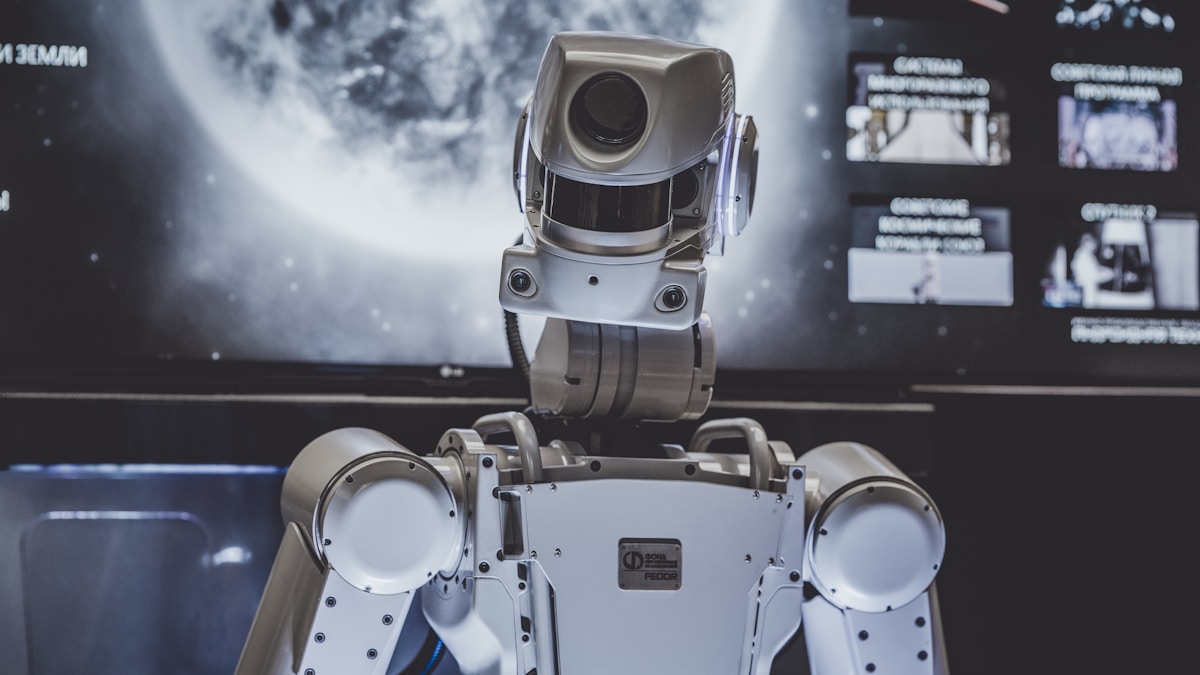
Image credit: Image: Unsplash
AI and Privacy: Mounting Challenges in 2026
As we delve deeper into 2026, artificial intelligence permeates nearly every aspect of our digital and physical lives. From ultra-intelligent personal assistants to predictive healthcare systems and smart urban infrastructures, AI offers transformative potential. However, the rapid advancement of this technology has brought with it an escalation in privacy concerns, making it one of the most urgent debates of the digital age.
The Escalation of Data Collection
AI's insatiable appetite for data lies at the root of many privacy concerns. Large Language Models (LLMs) and computer vision systems, for instance, demand vast datasets for training, many of which contain sensitive personal information. In 2026, with the proliferation of IoT sensors and AI integration into everyday devices, data collection is more pervasive than ever. Companies like Meta and Google continue to face scrutiny over the volume and nature of data they collect to fuel their algorithms, raising critical questions about consent and effective anonymization.
Challenges in Anonymization and Re-identification
One of the biggest myths surrounding data privacy is the effectiveness of anonymization. Recent research, including studies from Stanford University, has demonstrated that even with advanced techniques, it is surprisingly easy to re-identify individuals in supposedly anonymized datasets, especially when combined with other public information sources. This means that data used to train AIs, even after attempts at anonymization, can inadvertently expose people's identities and behaviors, potentially leading to misuse or discrimination.
The Impact of Generative AI on Privacy
The rise of generative AI has introduced new layers of complexity. Models that generate text, images, or even code can sometimes regurgitate sensitive information present in their training data. There have been documented instances in 2025 where LLMs inadvertently leaked customer data or proprietary company information that was included in their training sets. This underscores the critical need for rigorous auditing and cleansing of training data, as well as developing privacy-by-design mechanisms such as federated learning and differential privacy, which allow models to be trained without exposing raw data.
Regulation and Accountability in 2026
In response to these concerns, the regulatory landscape is rapidly evolving. The EU's General Data Protection Regulation (GDPR) continues to be a global benchmark, and other jurisdictions, such as California (CCPA/CPRA) and Brazil (LGPD), are strengthening their own laws. Furthermore, the EU AI Act, expected to be fully implemented soon, aims to establish transparency and accountability requirements for high-risk AI systems. However, enforcement and the ability to keep pace with technological innovation remain significant challenges. Companies like OpenAI and Anthropic are investing in ethics and safety teams, but ultimate responsibility falls across the entire development and deployment chain.
Future Outlook and Recommendations
To navigate this complex landscape, a multifaceted approach is imperative:
- Responsible Development: Integrate privacy-by-design and by-default principles from the outset of the AI lifecycle.
- Transparency: Increase clarity on how data is collected, used, and protected within AI systems.
- Consumer Education: Empower users with knowledge about their rights and the implications of AI on privacy.
- Collaboration: Foster dialogue among governments, industry, academia, and civil society to create robust standards and best practices.
Privacy in the age of AI is not a luxury but a fundamental necessity. As technology advances, our ability to protect individual dignity and autonomy will depend on our collective willingness to prioritize ethics and privacy alongside innovation.
AI Pulse Editorial
Editorial team specialized in artificial intelligence and technology. AI Pulse is a publication dedicated to covering the latest news, trends, and analysis from the world of AI.