AI and the Future of Digital Experience: Future-Proofing Your Brand
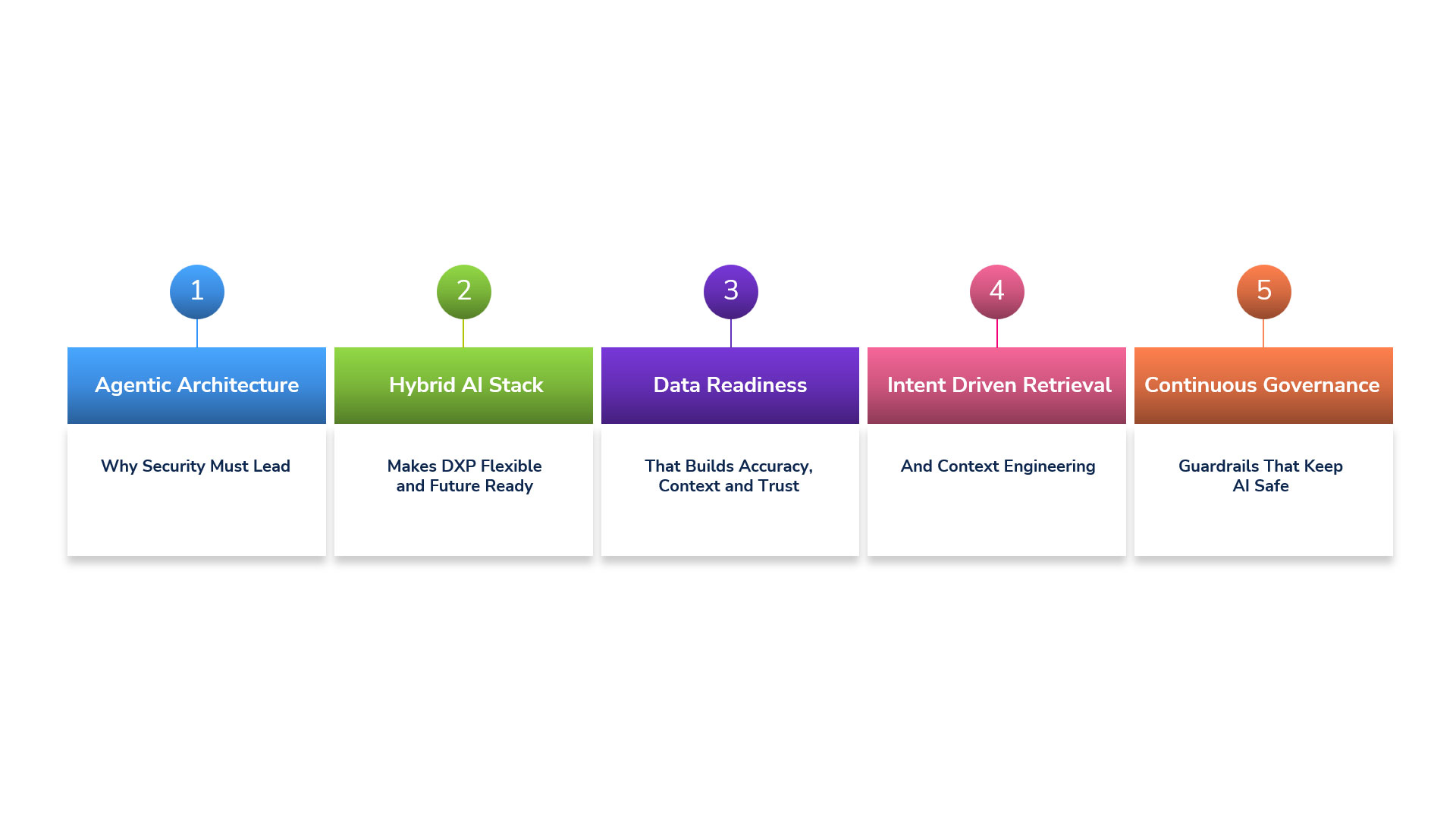
Image credit: Imagem: MarTech
The digital age demands that brands deliver flawless and highly personalized online experiences. With the rise of artificial intelligence, this demand intensifies, transforming digital experience platforms (DXPs) into true decision-making engines. To remain competitive, companies must move beyond mere online presence, focusing on an infrastructure that supports continuous AI-driven innovation.
AI's Transformation of Digital Experience
Traditionally, DXPs were tools for managing content and basic interactions. Today, AI elevates them to a new level, enabling predictive analytics, real-time personalization, and intelligent automation. This means that instead of just presenting information, platforms can anticipate customer needs, optimize journeys, and even automate responses, creating a profoundly more engaging experience. The ability to process vast volumes of data and identify complex patterns is at the core of this revolution, as detailed in reports on AI's impact on digital marketing Salesforce's AI marketing report.
Pillars for a Future-Ready DXP
For a brand to truly capitalize on the potential of AI in its DXPs, three pillars are fundamental: robust data, flexible architecture, and effective governance. Without these elements, AI implementation can be ineffective or even counterproductive.
Firstly, the quality and quantity of data are crucial. AI algorithms rely on a continuous flow of accurate, well-structured information to learn and make intelligent decisions. This includes customer behavior data, purchase history, social media interactions, and much more. Investing in data collection and integration strategies is the starting point.
Secondly, a flexible and scalable platform architecture is indispensable. Modern DXPs must be able to easily integrate with new AI technologies and other tools, such as CRMs and marketing automation systems. A modular, API-driven architecture allows brands to adapt quickly to technological changes and consumer expectations without costly rebuilds. Companies like Adobe Experience Platform exemplify this modular approach.
Finally, data and AI governance is an often-overlooked but extremely important aspect. Defining clear policies for data use, storage, and privacy, as well as establishing guidelines for AI ethics and responsibility, is vital. This not only ensures regulatory compliance, such as GDPR, but also builds trust with customers and mitigates operational risks. Transparency in AI use is a competitive differentiator.
Analysis and Market Implications
The adoption of AI in DXPs is no longer an option but a strategic necessity. Brands that fail to adapt risk losing relevance, as their competitors will be offering more personalized and efficient experiences. AI integration allows companies to optimize marketing campaigns, improve customer support through intelligent chatbots and virtual assistants, and even predict market trends with greater accuracy. To explore more about how AI is being applied in various sectors, check out our section on enterprise AI [blocked].
Why It Matters
In an increasingly saturated and competitive market, the ability to deliver a superior digital experience is a critical differentiator. AI not only automates processes but also empowers brands to understand and serve their customers in previously unimaginable ways, building loyalty and driving growth. Ignoring this evolution means ceding ground to more agile and innovative competitors. AI-driven personalization at scale is the key to lasting engagement and customer satisfaction. A study by McKinsey & Company highlights the value of data-driven personalization. Dive deeper into tools that can help your business stand out by visiting our compare AI tools [blocked].
This article was inspired by content originally published on MarTech by Benu Aggarwal. AI Pulse rewrites and expands AI news with additional analysis and context.
AI Pulse Editorial
Editorial team specialized in artificial intelligence and technology. AI Pulse is a publication dedicated to covering the latest news, trends, and analysis from the world of AI.


Comments (0)
Log in to comment
Log in to commentNo comments yet. Be the first to share your thoughts!