AI Certification & Standards: Paving the Way for Trust and Innovation

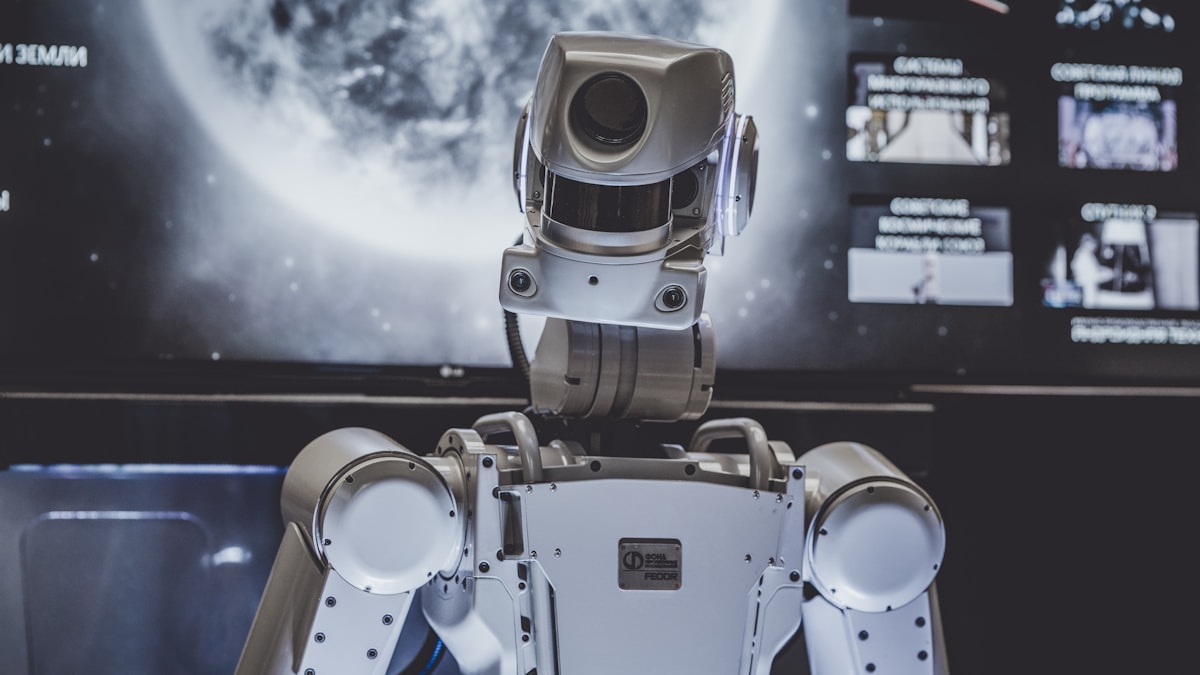
Image credit: Image: Unsplash
AI Certification & Standards: Paving the Way for Trust and Innovation
Artificial Intelligence (AI) continues to reshape industries and societies at an unprecedented pace. As of January 2026, the proliferation of AI systems, from recommendation algorithms to autonomous vehicles and medical diagnostics, underscores the urgent need for robust certification frameworks and standards. These are not mere bureaucratic requirements but fundamental pillars for ensuring AI's safety, ethics, transparency, and interoperability—crucial elements for public acceptance and responsible innovation.
The Urgency of Global Standards
Regulatory fragmentation has been a significant challenge. While the European Union progresses with its AI Act, and the U.S. explores risk-based approaches through the NIST AI Risk Management Framework, global harmonization is vital. Organizations like ISO (International Organization for Standardization) and IEEE (Institute of Electrical and Electronics Engineers) are at the forefront of developing technical standards. For instance, the ISO/IEC 42001 series for AI management systems offers a framework for responsible development and deployment, while IEEE P7000 addresses specific ethical concerns in autonomous systems. Widespread adoption of these standards can mitigate risks such as algorithmic bias, security vulnerabilities, and lack of explainability.
The Role of Certification in Building Trust
AI certification acts as a seal of quality and compliance. For developers, it offers a clear path to demonstrate that their systems meet specified performance, safety, and ethical requirements. For end-users and regulators, it provides assurance that AI products have undergone independent evaluation. Companies like TÜV SÜD are already exploring AI certification services, focusing on aspects such as model robustness, data fairness, and privacy. This process not only enhances consumer trust but can also accelerate AI adoption in sensitive sectors like healthcare and finance.
Challenges and Next Steps
Developing AI standards and certifications is not without its challenges. The rapid evolution of technology means that standards can quickly become outdated. Furthermore, the inherent complexity of many AI systems makes their evaluation and auditing a demanding task. Collaboration among governments, industry, academia, and civil society is essential to create adaptable and effective frameworks. The establishment of regulatory 'sandboxes' and pilot testing programs can help refine these frameworks in controlled environments.
Conclusion: A Future of Responsible AI
Certification and standards development are more than mere formalities; they are strategic tools for shaping a future where AI is developed and utilized responsibly and beneficially. By investing in these frameworks, we can unlock AI's transformative potential, mitigating its risks and building a solid foundation of trust and innovation for decades to come.
AI Pulse Editorial
Editorial team specialized in artificial intelligence and technology. AI Pulse is a publication dedicated to covering the latest news, trends, and analysis from the world of AI.


Comments (0)
Log in to comment
Log in to commentNo comments yet. Be the first to share your thoughts!