AI Data Analysis Tools: The Future in 2026 and Beyond
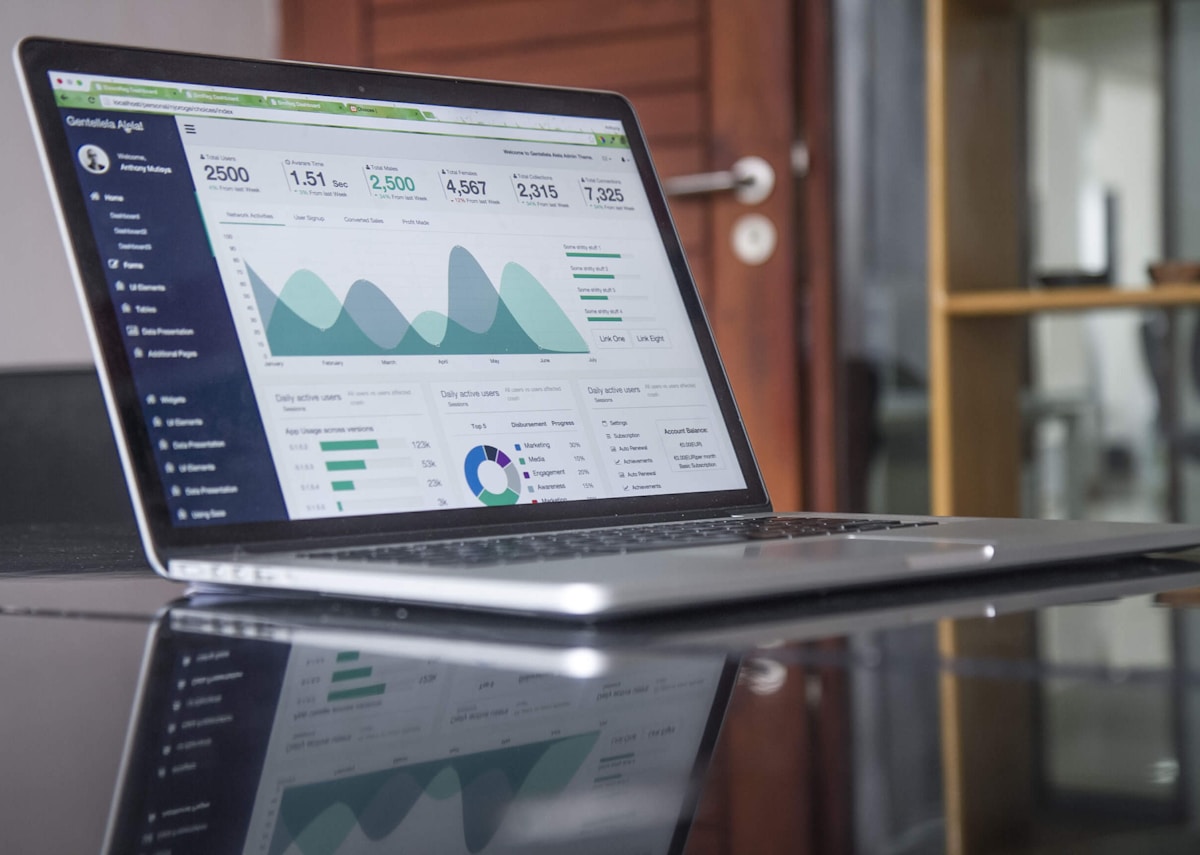
Image credit: Image: Unsplash
AI Data Analysis Tools: The Future in 2026 and Beyond
It's January 2026, and the data analysis landscape is more dynamic than ever, largely driven by artificial intelligence. What was once the exclusive domain of highly specialized data scientists and analysts is now becoming accessible and intuitive for a much broader range of professionals. AI-powered data analysis tools are no longer a novelty; they are the backbone of intelligent decision-making in modern enterprises.
Automation and Data Democratization
The most striking advancement is end-to-end automation. Tools like Microsoft Power BI with its enhanced AI capabilities and Tableau integrating machine learning models now automate data preparation, anomaly detection, and even report generation. This means the barrier to entry for data analysis has dramatically lowered. Marketing, HR, and operations professionals can ask complex questions of their data in natural language and receive actionable insights, without needing deep coding or statistical knowledge. Data democratization is a reality, enabling every department to be an intelligence hub.
Real-time Predictive and Prescriptive Insights
In 2026, the ability to predict future trends and prescribe optimized actions is standard. Platforms such as Google Cloud Vertex AI and Amazon SageMaker are being seamlessly integrated into BI tools to offer sophisticated predictive analytics. Imagine a retailer not just seeing a dip in product sales, but receiving a recommendation on which promotion to launch, on which channel, and for which customer segment, all in real-time. AI doesn't just tell us what happened and why, but what will happen and what we should do about it. This is crucial for business agility today.
Contextual and Multimodal Analysis
The future of AI data analysis goes beyond numbers. We are seeing a convergence of text analysis (NLP), computer vision, and structured data. Tools are beginning to analyze customer feedback from social media, product images, and even video data to provide a 360-degree understanding of consumer behavior and market performance. Companies like DataRobot and innovative startups are leading the way in extracting meaning from previously untapped data sources, adding a rich layer of context to traditional analysis.
Challenges and Ethical Considerations
However, with great power comes great responsibility. Data interpretation and bias remain significant challenges. Transparency and explainability of AI models (XAI) are more important than ever. Companies must invest in robust data governance and ensure their teams understand the limitations and potential biases of AI tools. AI ethics is not a luxury but a necessity to ensure the insights generated are fair and reliable.
Conclusion: The Augmented Analyst
In 2026, the role of the data analyst hasn't disappeared; it has evolved. Instead of spending hours cleaning and organizing data, analysts now focus on formulating the right questions, interpreting complex AI insights, and translating them into impactful business strategies. AI tools are powerful co-pilots, augmenting human capabilities and enabling businesses to navigate the complexity of the data world with confidence and intelligence. The future is one of smart, accessible, and actionable data for everyone.
AI Pulse Editorial
Editorial team specialized in artificial intelligence and technology. AI Pulse is a publication dedicated to covering the latest news, trends, and analysis from the world of AI.


Comments (0)
Log in to comment
Log in to commentNo comments yet. Be the first to share your thoughts!