AI Drives Digital Transformation: Enterprise Strategies for 2026
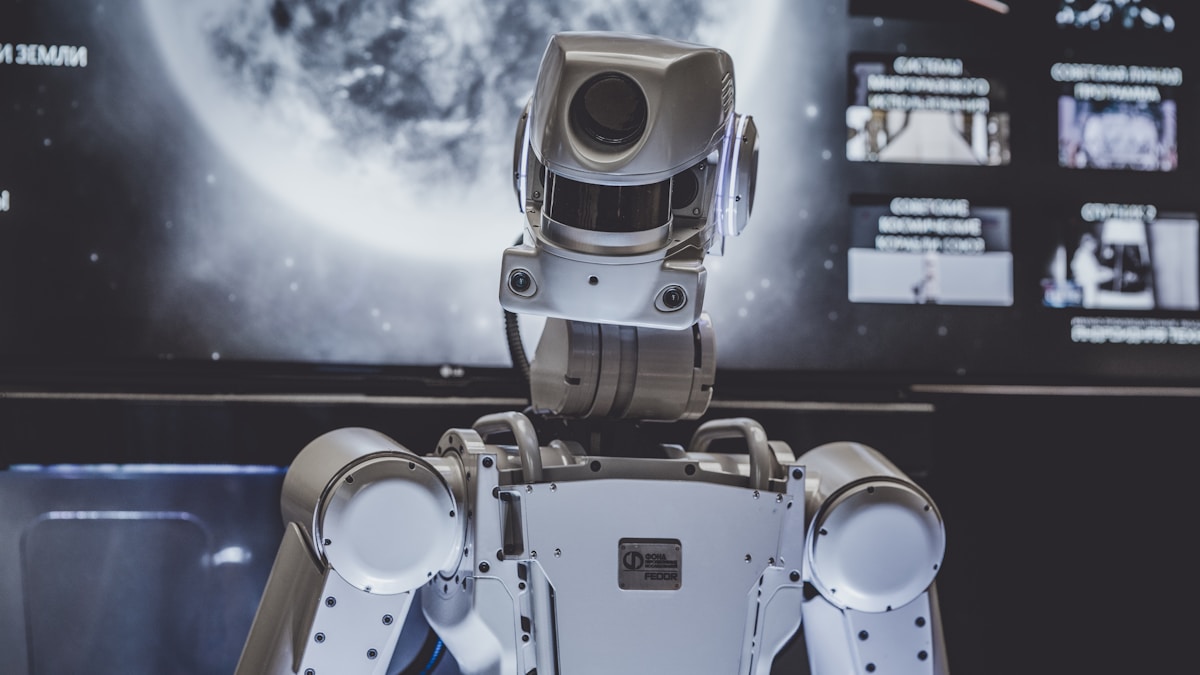
Image credit: Image: Unsplash
AI Drives Digital Transformation: Enterprise Strategies for 2026
Digital transformation, powered by artificial intelligence (AI), has evolved from a trend into a critical strategic pillar for business survival and growth in 2026. AI not only automates tasks but redefines business models, optimizes decision-making, and personalizes customer interactions in previously unimaginable ways. Companies failing to integrate AI into their digital strategies risk falling behind in an increasingly competitive market.
Operational Optimization and Efficiency
AI is revolutionizing internal operations, from supply chain management to human resources. Machine learning (ML) algorithms predict industrial equipment failures (predictive maintenance), as seen at Siemens, reducing costs and downtime. In logistics, AI-driven route and inventory optimization, exemplified by Amazon, ensures faster and more efficient deliveries. Robotic Process Automation (RPA) combined with AI handles repetitive administrative tasks, freeing employees for higher-value strategic activities. The resulting efficiency is not just cost savings but a significant competitive advantage.
Hyper-Personalized Customer Experience
In today's landscape, personalization is key to customer loyalty. AI systems analyze vast volumes of customer data to offer highly relevant product, service, and content recommendations. Banks like JPMorgan Chase use AI for fraud detection and to offer personalized financial products. Chatbots and virtual assistants, such as Google Assistant or advanced LLMs, provide 24/7 support, answering complex queries and enhancing customer satisfaction. This AI-enabled, customer-centric approach fosters lasting engagement and drives sales.
Innovation and Product Development
AI accelerates the innovation cycle, allowing companies to develop new products and services faster and smarter. In sectors like pharmaceuticals, AI assists in drug discovery and optimizing clinical trials. In product design, generative algorithms explore millions of possibilities, reducing prototyping time. Technology companies, such as NVIDIA, leverage AI to optimize their own chips and software, demonstrating a virtuous cycle of AI-driven innovation.
Challenges and Next Steps
While the benefits are clear, AI implementation is not without its challenges. The scarcity of AI talent, data quality, and ethical and privacy concerns demand attention. For 2026, enterprises should focus on:
- Data Governance: Establishing robust policies for data collection, storage, and usage.
- Talent Development: Investing in training and recruiting AI specialists.
- Responsible AI: Prioritizing ethics, transparency, and fairness in AI systems.
- Strategic Partnerships: Collaborating with AI startups and vendors to accelerate adoption.
Integrating AI into digital transformation is not just about technology; it's about a cultural and strategic shift. Those who proactively embrace this journey will be positioned to lead in the digital future.
AI Pulse Editorial
Editorial team specialized in artificial intelligence and technology. AI Pulse is a publication dedicated to covering the latest news, trends, and analysis from the world of AI.



Comments (0)
Log in to comment
Log in to commentNo comments yet. Be the first to share your thoughts!