AI Giants Shift Stance on Military Use of Their Technologies
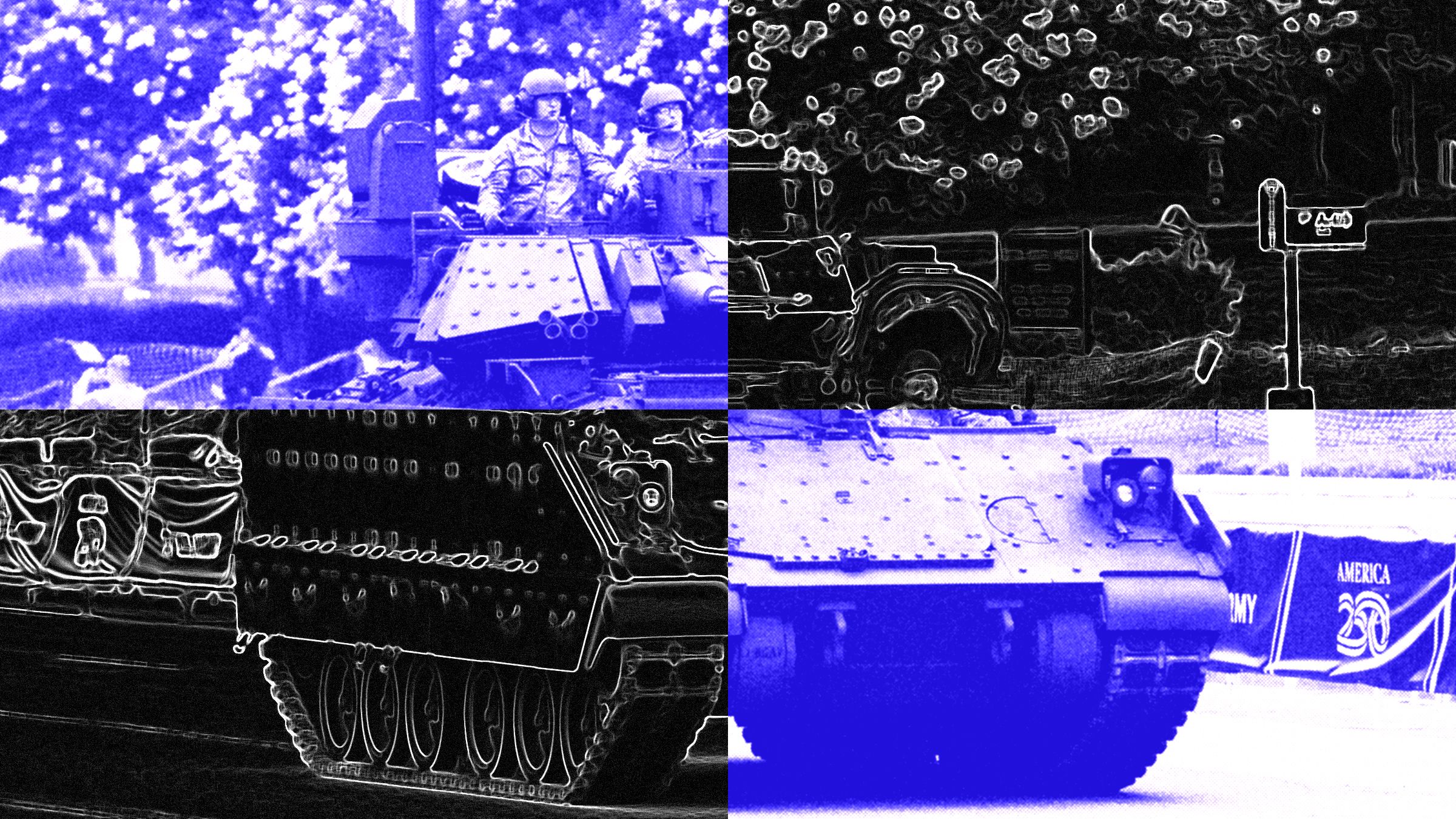
Image credit: Imagem: Wired AI
The Evolving Ethical Stance in the AI Industry
Just a few years ago, leading artificial intelligence companies like Meta and OpenAI maintained a unified public stance against the use of their technologies for military purposes. This position was often seen as a commitment to the ethical development of AI, aiming to distance technological innovation from applications that could raise ethical or global security concerns. However, the current landscape reveals a notable shift in this philosophy, with these same companies now exploring or permitting the use of their tools by defense entities.
This transition is not merely an alteration of terms of service; it signals a profound re-evaluation of the responsibilities and opportunities that AI presents. Competitive pressures, technological advancements, and the growing demand for AI capabilities across all sectors, including the military, contribute to this paradigm shift. The line between civilian and military use of AI is becoming increasingly blurred, forcing companies to confront the complexity of their creations.
From Restriction to Collaboration: A New Era
Originally, many AI companies implemented strict policies that explicitly prohibited the use of their models and platforms for developing weapons, mass surveillance, or other offensive military applications. OpenAI, for instance, had a clause in its terms of use preventing the employment of its technology for military and warfare purposes. However, recent reports indicate that this restriction has been modified, now allowing certain defense applications that do not involve direct harm to people or critical infrastructure. This alteration in OpenAI's Terms of Use demonstrates an openness to previously unthinkable collaborations.
Similarly, companies like Meta, which historically positioned themselves against the use of their AI research for military ends, are now under closer scrutiny. While there hasn't been as dramatic and public a shift as OpenAI's, the industry as a whole is moving towards greater acceptance. This trend is driven, in part, by the perception that AI is a dual-use technology, with the potential to benefit society but also to be employed in defense contexts. The need to compete with global powers investing heavily in military AI may also be a motivating factor.
Implications and Ethical Challenges
The increasing integration of AI into the military sector raises a host of ethical and security questions. A primary concern lies in the development of autonomous weapon systems, which could make life-or-death decisions without human intervention. While many companies assert their technologies will not be used for this purpose, the line between 'defense support' and 'weapon systems' can be ambiguous. The discussion surrounding AI governance and autonomous weapons control is an ongoing global debate, with organizations like the United Nations frequently addressing the topic.
Furthermore, there is a risk that AI technology developed for civilian purposes could be adapted or diverted for unintended military uses, especially in conflict scenarios. Transparency and accountability become crucial as these partnerships deepen. AI companies face the challenge of balancing technological advancement and profit potential with maintaining rigorous ethical standards. For more insights into how AI is being utilized across various sectors, you can compare AI tools [blocked] available on the market.
The Geopolitical Context and the AI Race
The shift in AI companies' stances cannot be viewed in isolation. It occurs within a context of intense geopolitical competition, where nations like the United States, China, and Russia are heavily investing in artificial intelligence capabilities for defense. The U.S. Department of Defense, for example, has actively explored partnerships with the private sector to integrate AI into its operations, as detailed in its AI strategy guidelines.
This "AI race" places tech companies in a delicate position. Refusing to collaborate with governments could mean losing lucrative contracts and ceding ground to less scrupulous competitors or adversarial nations. Participation in defense AI development might be seen as a way to ensure the technology is developed responsibly, under the oversight of democracies, rather than leaving the field open to actors with fewer ethical constraints. However, this justification does not negate the concerns about the militarization of AI and its long-term consequences.
Why It Matters
The shift in AI giants' stance on the military use of their technologies is a pivotal moment, redefining the ethical and strategic boundaries of innovation. This evolution not only impacts the future of warfare but also shapes public perception and trust in the tech industry, forcing an urgent debate on governance and responsibility in AI development. The integration of AI into global defense has profound implications for international security and the very fabric of society. Stay updated on the latest news in enterprise AI [blocked] to understand how these trends affect business and security worldwide.
This article was inspired by content originally published on Wired AI by Nick Srnicek. AI Pulse rewrites and expands AI news with additional analysis and context.
AI Pulse Editorial
Editorial team specialized in artificial intelligence and technology. AI Pulse is a publication dedicated to covering the latest news, trends, and analysis from the world of AI.


Comments (0)
Log in to comment
Log in to commentNo comments yet. Be the first to share your thoughts!