AI in Customer Journey Optimization: The Future is Now

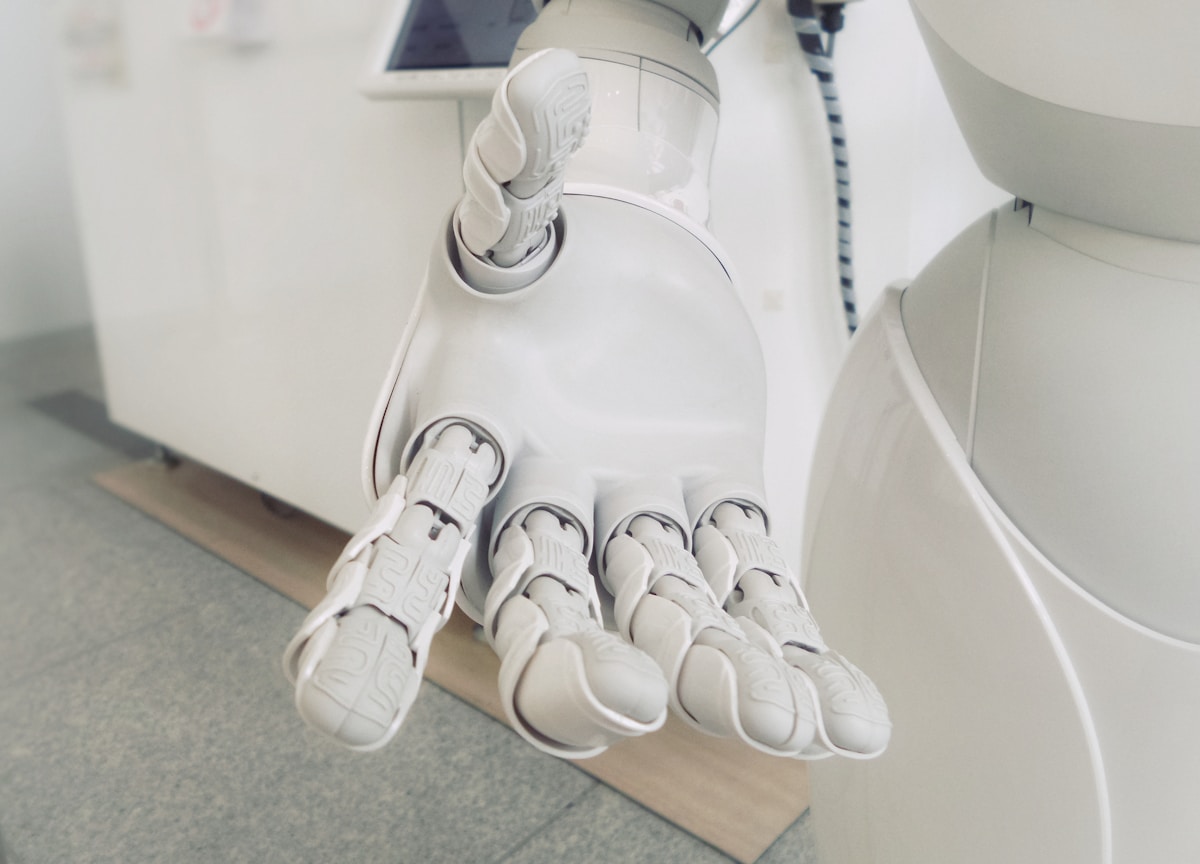
Image credit: Image: Unsplash
AI in Customer Journey Optimization: The Future is Now
In an increasingly competitive market, customer experience (CX) has become the ultimate differentiator. Customer journey optimization, once reliant on manual analysis and inferences, is being radically transformed by artificial intelligence (AI). In 2026, AI is not just a supporting tool but the central engine for understanding, predicting, and personalizing every interaction, elevating customer loyalty and lifetime value to new heights.
Predictive Mapping and Hyper-Segmented Personalization
AI goes far beyond merely mapping the customer journey; it predicts it. Advanced machine learning algorithms analyze vast volumes of data—from purchase history and social media interactions to browsing data and sentiment—to identify patterns and forecast the customer's next steps. Tools like Adobe Experience Cloud or Salesforce Einstein, for instance, use AI to create dynamic customer profiles, allowing companies to deliver hyper-personalized content, products, and offers in real-time. This means the customer receives exactly what they need, at the right time, through their preferred channel, optimizing conversion and satisfaction.
Intelligent Automation and Proactive Support
Where AI truly shines is in automating touchpoints. Chatbots and virtual assistants, powered by state-of-the-art Natural Language Processing (NLP), such as those developed by Google or OpenAI, not only answer frequently asked questions but also resolve complex issues, schedule services, and even make sales, all with a fluid conversational experience. Furthermore, AI enables proactive support by identifying signs of dissatisfaction or potential problems before the customer expresses them. For example, an AI system can detect a delivery delay and automatically notify the customer with a solution or compensation, turning a pain point into a loyalty-building opportunity.
Continuous Measurement and Optimization
The beauty of AI is its ability to continuously learn and adapt. AI-powered analytics platforms monitor the performance of each interaction, measuring metrics like conversion rates, resolution time, and customer satisfaction. Automated A/B testing and multivariate optimization, driven by AI, allow companies to test different approaches and identify the most effective ones without constant manual intervention. This ensures that the customer journey is always evolving and improving, keeping the company ahead of the competition.
Conclusion: The AI-Driven Customer Journey
Optimizing the customer journey with AI is no longer an option but a strategic necessity. Companies embracing this technology are reaping the rewards of increased engagement, loyalty, and profitability. To remain relevant, it is crucial to invest in AI platforms, empower teams, and adopt a data-driven culture. The customer journey in 2026 is intelligent, predictive, and, above all, focused on delivering exceptional experiences.
AI Pulse Editorial
Editorial team specialized in artificial intelligence and technology. AI Pulse is a publication dedicated to covering the latest news, trends, and analysis from the world of AI.

Comments (0)
Log in to comment
Log in to commentNo comments yet. Be the first to share your thoughts!