AI in Customer Service: Optimizing Experience and Operations
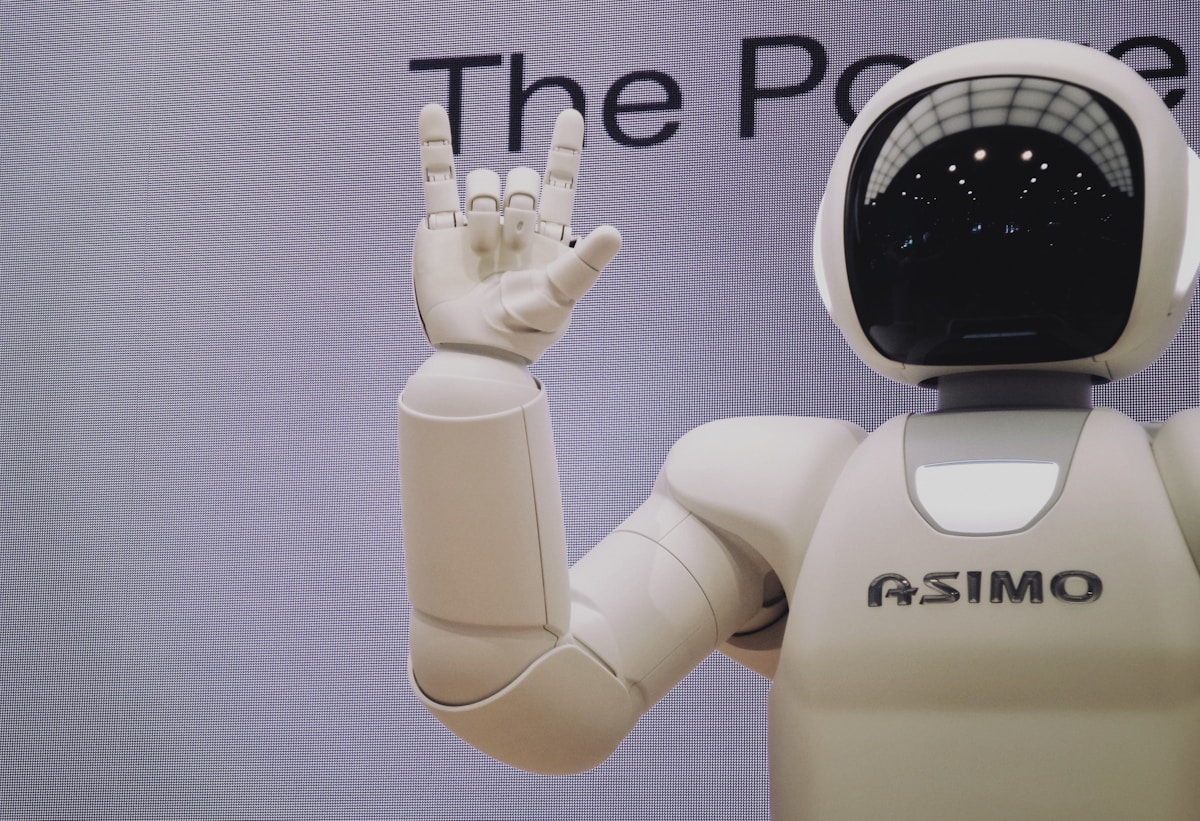
Image credit: Image: Unsplash
AI in Customer Service: Optimizing Experience and Operations
As of January 2026, artificial intelligence (AI) is no longer a novelty in customer service but a strategic pillar for companies striving for operational excellence and consumer satisfaction. AI-powered customer service platforms have evolved from rudimentary chatbots to sophisticated systems integrating advanced natural language processing (NLP), machine learning, and intelligent automation, redefining brand-customer interactions.
The Evolution of AI Platforms
Initially, AI in customer support focused on automating repetitive tasks. Today, solutions like those offered by Zendesk, Salesforce Service Cloud, and Freshdesk, which incorporate AI, go far beyond. They analyze customer history, predict needs, intelligently route calls, and even generate personalized responses, freeing human agents for more complex, empathetic cases. The integration of large language models (LLMs) from entities like OpenAI and Google DeepMind has enabled chatbots and virtual assistants with near-human conversational capabilities, understanding complex nuances and contexts.
Tangible Industry Benefits
The gains are manifold. Firstly, operational efficiency is drastically improved. AI can resolve up to 80% of common queries without human intervention, reducing costs and wait times. Secondly, personalization at scale has become a reality. AI systems can access real-time customer data to offer highly relevant recommendations and support, as seen in e-commerce platforms using AI to guide customers through their purchase and post-sale journey. Finally, 24/7 availability ensures customers receive support anytime, anywhere, a critical factor for retention in global markets.
Challenges and Future Trends
While the benefits are clear, implementation requires careful planning. Data quality for AI training, integration with legacy systems, and the need to maintain a human touch are ongoing challenges. The trend for 2026 and beyond points towards predictive and proactive AI, where systems anticipate issues and offer solutions even before the customer perceives a need. Generative AI is also beginning to be used to create dynamic, personalized support content, such as FAQ articles or video tutorials, tailored to the user's profile. Furthermore, emotional AI, which detects customer sentiment to adapt its approach, is in advanced testing phases.
Conclusion: The Future is Hybrid and Intelligent
AI customer service platforms are not aimed at completely replacing humans but rather enhancing their capabilities, creating a more efficient and empathetic hybrid model. Companies investing in AI not only optimize their operations but also build stronger, more lasting relationships with their customers, solidifying their position in an increasingly competitive market.
AI Pulse Editorial
Editorial team specialized in artificial intelligence and technology. AI Pulse is a publication dedicated to covering the latest news, trends, and analysis from the world of AI.


Comments (0)
Log in to comment
Log in to commentNo comments yet. Be the first to share your thoughts!