AI in Education: The Future of Learning in 2026 and Beyond

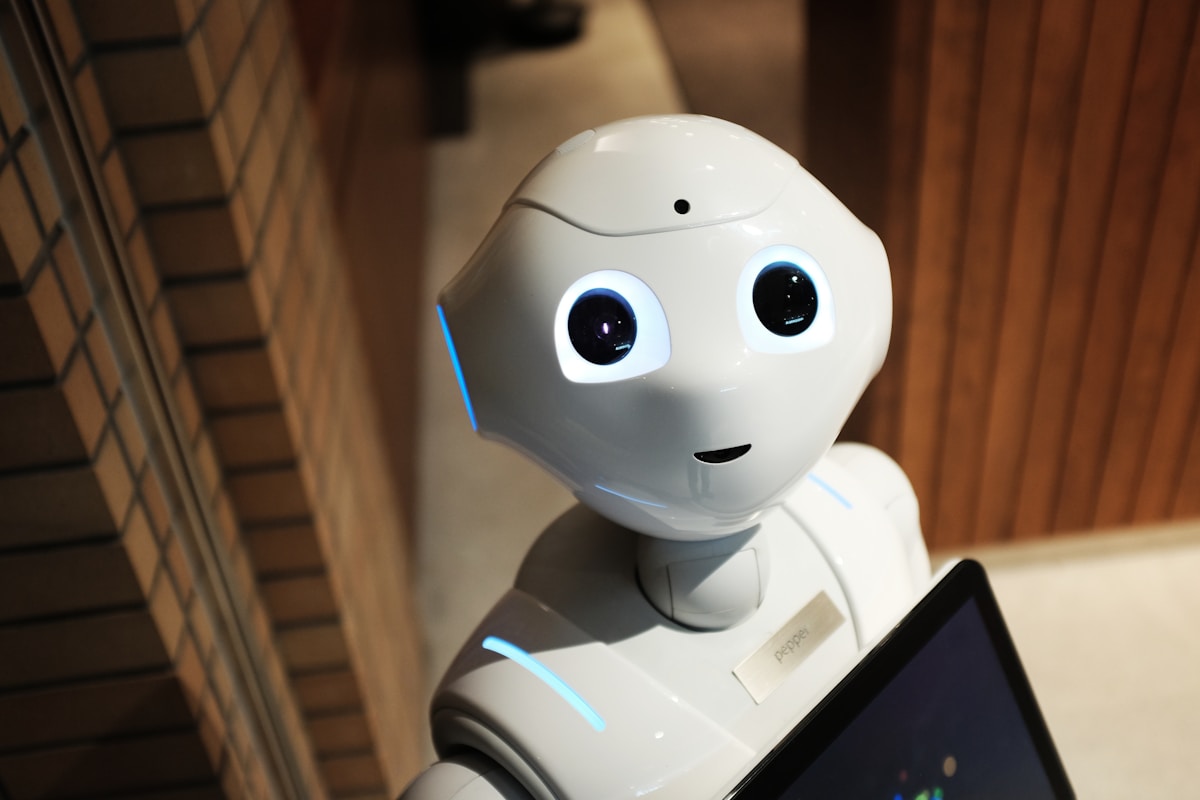
Image credit: Image: Unsplash
AI in Education: The Future of Learning in 2026 and Beyond
From early intelligent tutor prototypes to the advanced generative language models we see today, artificial intelligence has been a disruptive force in education. In April 2026, we are no longer talking about potential, but a rapidly evolving reality that is redefining what it means to learn and teach. The future of learning is increasingly interactive, personalized, and data-driven.
Hyper-Adaptive Personalization
One of AI's greatest promises in education is personalization. In 2026, this goes beyond simply adapting pace. Platforms like Khan Academy's Khanmigo and AI-integrated Learning Management Systems (LMS) offered by Coursera and edX, utilize sophisticated algorithms to map learning styles, identify knowledge gaps in real-time, and recommend specific educational resources. We predict that AI will be capable of creating dynamic learning paths that adjust not only to academic performance but also to a student's interests, career aspirations, and even emotional state, making learning more engaging and effective.
Intelligent Virtual Tutors and Assistants
The role of the human tutor will not be replaced, but rather enhanced by AI assistants. By 2026, virtual tutors powered by large language models (LLMs) like GPT-4 and Gemini are becoming essential tools for immediate feedback, essay grading, and complex query resolution. Companies like Duolingo already use AI to offer pronunciation and grammar feedback, and we expect this technology to expand across all disciplines, providing 24/7 support and freeing educators to focus on more meaningful interactions and socio-emotional skill development.
Predictive Analytics and Early Intervention
AI's ability to analyze vast volumes of student performance data is proving to be an invaluable tool for educators and institutions. In 2026, AI systems can predict with high accuracy which students are at risk of falling behind or dropping out, enabling proactive interventions. Universities are already exploring this capability to optimize student support and reduce attrition rates. This not only improves academic outcomes but also fosters equity, ensuring no student is left behind due to a lack of resources or attention.
Challenges and Ethical Considerations
While the future is promising, it's crucial to address the challenges. Student data privacy, algorithmic bias, and the need to ensure AI is an augmentation tool, not a replacement for the human touch, remain central concerns. Training educators to effectively and ethically utilize AI is paramount. Furthermore, digital inclusion must be a priority to prevent the technology access gap from widening educational inequalities.
Conclusion: A New Era of Collaborative Learning
In 2026, AI in education is not just about automation, but about empowerment. It offers the promise of a more equitable, efficient, and individually tailored educational system. By embracing these innovations responsibly and with a continuous focus on pedagogy, we can build a future where technology serves as a powerful catalyst for human potential, preparing the next generations for an ever-changing world.
AI Pulse Editorial
Editorial team specialized in artificial intelligence and technology. AI Pulse is a publication dedicated to covering the latest news, trends, and analysis from the world of AI.


Comments (0)
Log in to comment
Log in to commentNo comments yet. Be the first to share your thoughts!