AI in Energy: Challenges and Solutions for a Sustainable Future
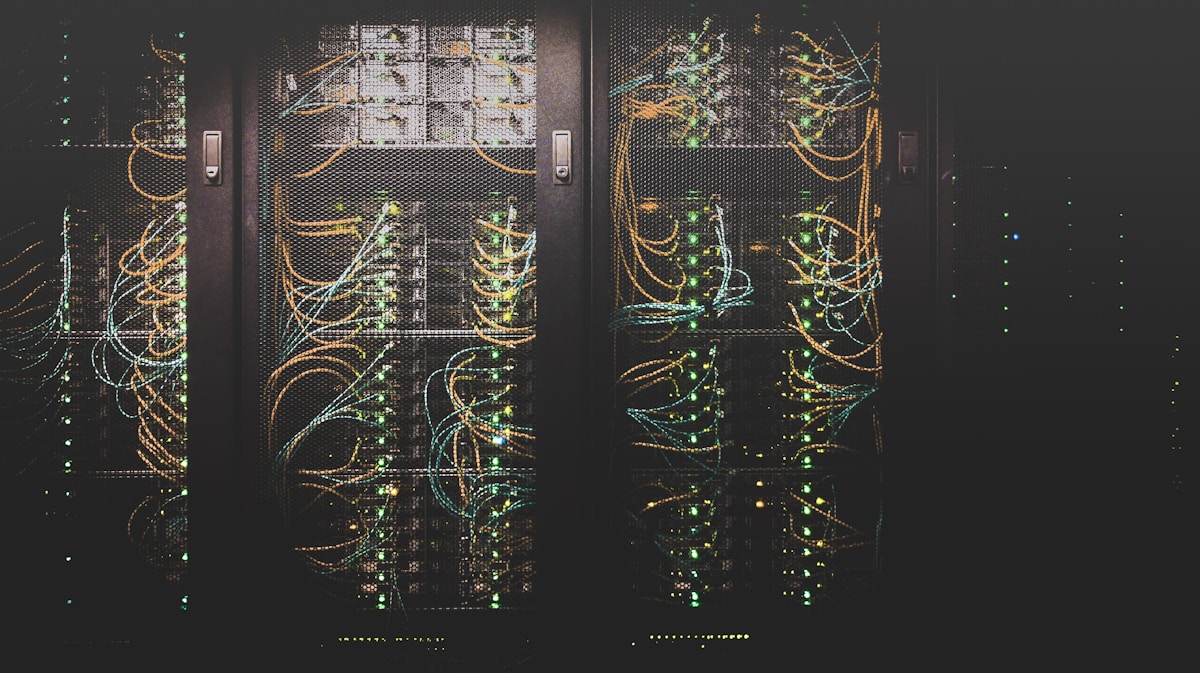
Image credit: Image: Unsplash
AI in Energy: Challenges and Solutions for a Sustainable Future
The global energy sector, in constant evolution, faces the dual pressure of meeting growing demand and transitioning to more sustainable sources. Artificial Intelligence (AI) has emerged as a transformative tool, promising to optimize operations, increase efficiency, and accelerate decarbonization. However, integrating AI is not without its challenges, requiring strategic solutions to unlock its full potential.
Challenges in AI Implementation within the Energy Sector
1. Data Quality and Availability
One of the biggest hurdles is the scarcity of high-quality, standardized data. Many existing energy systems are legacy, with outdated sensors or fragmented data. Siemens Energy, for instance, highlights the need for robust data infrastructures to feed predictive AI models in wind turbines and power plants. Without clean and comprehensive data, AI algorithms can generate inaccurate or ineffective insights.
2. Infrastructure Complexity and Security
Energy infrastructure is vast and interconnected, from transmission grids to smart meters. Integrating AI systems adds layers of complexity and raises cybersecurity concerns. An attack on an AI system controlling a substation could have catastrophic consequences. Companies like Schneider Electric invest heavily in secure AI solutions for grid management, but continuous protection remains a challenge.
3. Cost and Scale of Implementation
The initial investment in AI technologies, staff training, and infrastructure can be prohibitive for some companies. Furthermore, scaling AI solutions from pilot projects to large-scale operations requires careful planning and significant resources. The transition is not just technological but also cultural and organizational.
Innovative Solutions and Future Outlook
1. Data Platforms and Edge AI
To combat data issues, the development of unified data platforms and the adoption of Edge AI are crucial. Edge AI allows data processing closer to the source (e.g., on wind turbines or transformers), reducing latency and bandwidth dependency while filtering out irrelevant data. This improves the quality of data fed to central models and ensures real-time insights.
2. Cybersecurity and Explainable AI (XAI)
For security, AI can be leveraged to monitor and predict cyber threats. Additionally, Explainable AI (XAI) is vital for building trust and enabling operators to understand AI's decisions, especially in critical systems. This not only enhances security but also facilitates auditing and regulatory compliance. Companies like IBM are at the forefront of developing XAI for industrial applications.
3. Partnerships and Service Models
To mitigate costs and accelerate adoption, strategic partnerships between energy companies and AI technology providers are increasingly common.
AI Pulse Editorial
Editorial team specialized in artificial intelligence and technology. AI Pulse is a publication dedicated to covering the latest news, trends, and analysis from the world of AI.



Comments (0)
Log in to comment
Log in to commentNo comments yet. Be the first to share your thoughts!