AI in HR & Recruitment: Optimizing Talent for 2026
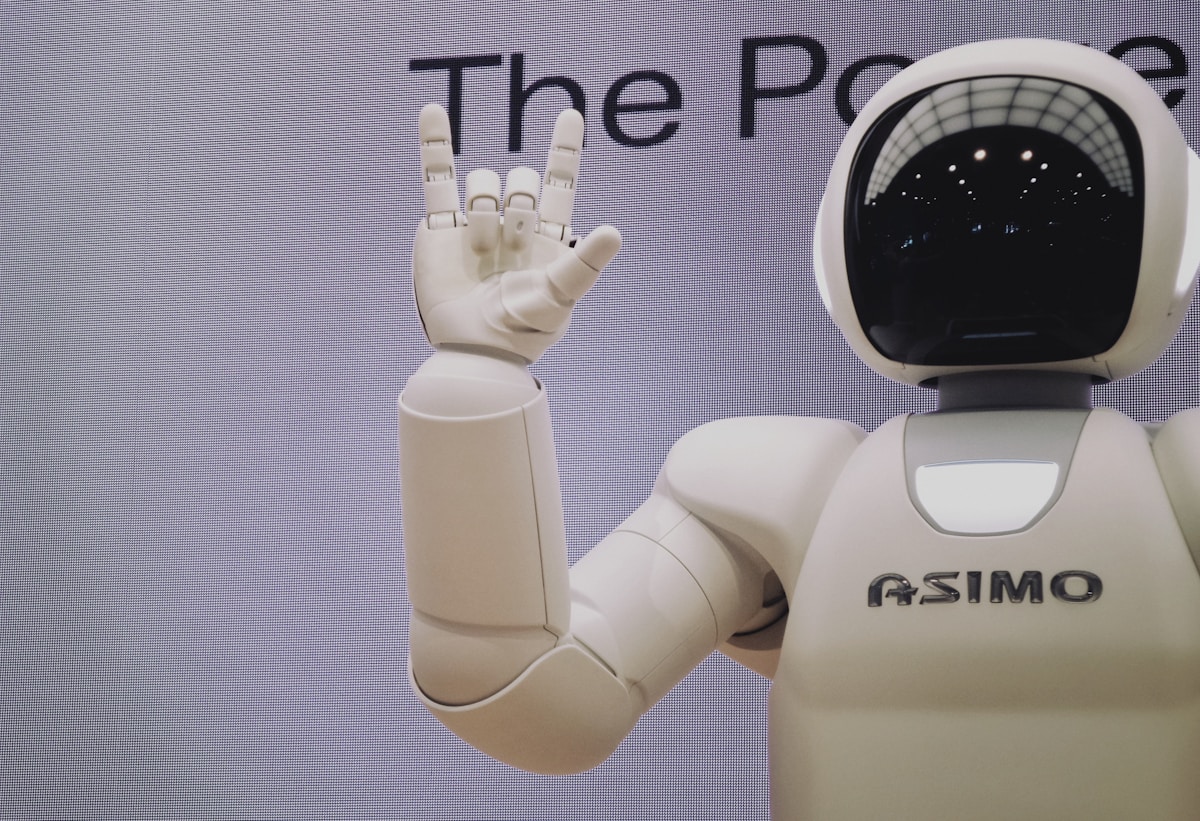
Image credit: Image: Unsplash
AI in HR & Recruitment: Optimizing Talent for 2026
By 2026, Artificial Intelligence (AI) has transitioned from a futuristic promise to a fundamental pillar in Human Resources (HR) and recruitment strategies. Leading companies are harnessing AI's power to optimize every stage of the talent lifecycle, from acquisition to development and retention, transforming how organizations interact with their employees and candidates.
Optimizing Talent Acquisition with AI
Recruitment, historically a time-consuming and bias-prone process, is being radically enhanced by AI. AI-powered tools, such as those offered by Workday and Eightfold AI, utilize natural language processing (NLP) to analyze thousands of resumes and candidate profiles in minutes, identifying the most qualified based on skills, experience, and even growth potential. This not only accelerates the process but also helps mitigate unconscious biases, fostering greater diversity and inclusion. Intelligent chatbots and virtual assistants, like Paradox's Olivia AI, manage initial screening, interview scheduling, and answering frequently asked questions, freeing recruiters for more strategic tasks.
Personalizing the Employee Experience
Beyond recruitment, AI is redefining the employee experience. AI platforms can analyze performance data, feedback, and engagement to offer personalized insights into career development, training programs, and well-being needs. For instance, systems like Gloat utilize AI to create internal talent marketplaces, connecting employees with projects and development opportunities that align with their skills and aspirations. This not only boosts satisfaction and retention but also drives productivity and innovation within the company.
Predictive Analytics and Strategic Decision-Making
AI's ability to analyze vast volumes of data allows HR departments to shift from a reactive to a proactive approach. Predictive analytics, for example, can identify patterns indicating employee turnover risk, enabling companies to intervene with retention measures before it's too late. Tools from companies like Visier provide actionable dashboards and reports that help HR leaders make data-driven strategic decisions about workforce planning, resource allocation, and the impact of HR initiatives. This transforms HR from a cost center into a strategic business partner.
Challenges and Ethical Considerations
Despite the numerous benefits, AI implementation in HR is not without its challenges. Data privacy, cybersecurity, and the need to ensure algorithms are fair and transparent are paramount concerns. It is crucial for companies to establish clear ethical guidelines, conduct regular audits of AI systems to prevent discriminatory biases, and maintain human oversight to ensure fair and empathetic decisions. Collaboration between AI experts, HR professionals, and legal counsel is essential to navigate this complex landscape.
Conclusion
AI in HR and recruitment is not just a trend but a necessary evolution for companies seeking to remain competitive in the 2026 talent market. By automating routine tasks, personalizing experiences, and providing predictive insights, AI empowers HR professionals to focus on what truly matters: building an engaged, diverse, and high-performing workforce. The key to success lies in strategic and ethical implementation, ensuring that technology serves to amplify human potential, not replace it.
AI Pulse Editorial
Editorial team specialized in artificial intelligence and technology. AI Pulse is a publication dedicated to covering the latest news, trends, and analysis from the world of AI.

Comments (0)
Log in to comment
Log in to commentNo comments yet. Be the first to share your thoughts!