AI in HR: Transforming Recruitment & Talent Management in 2026
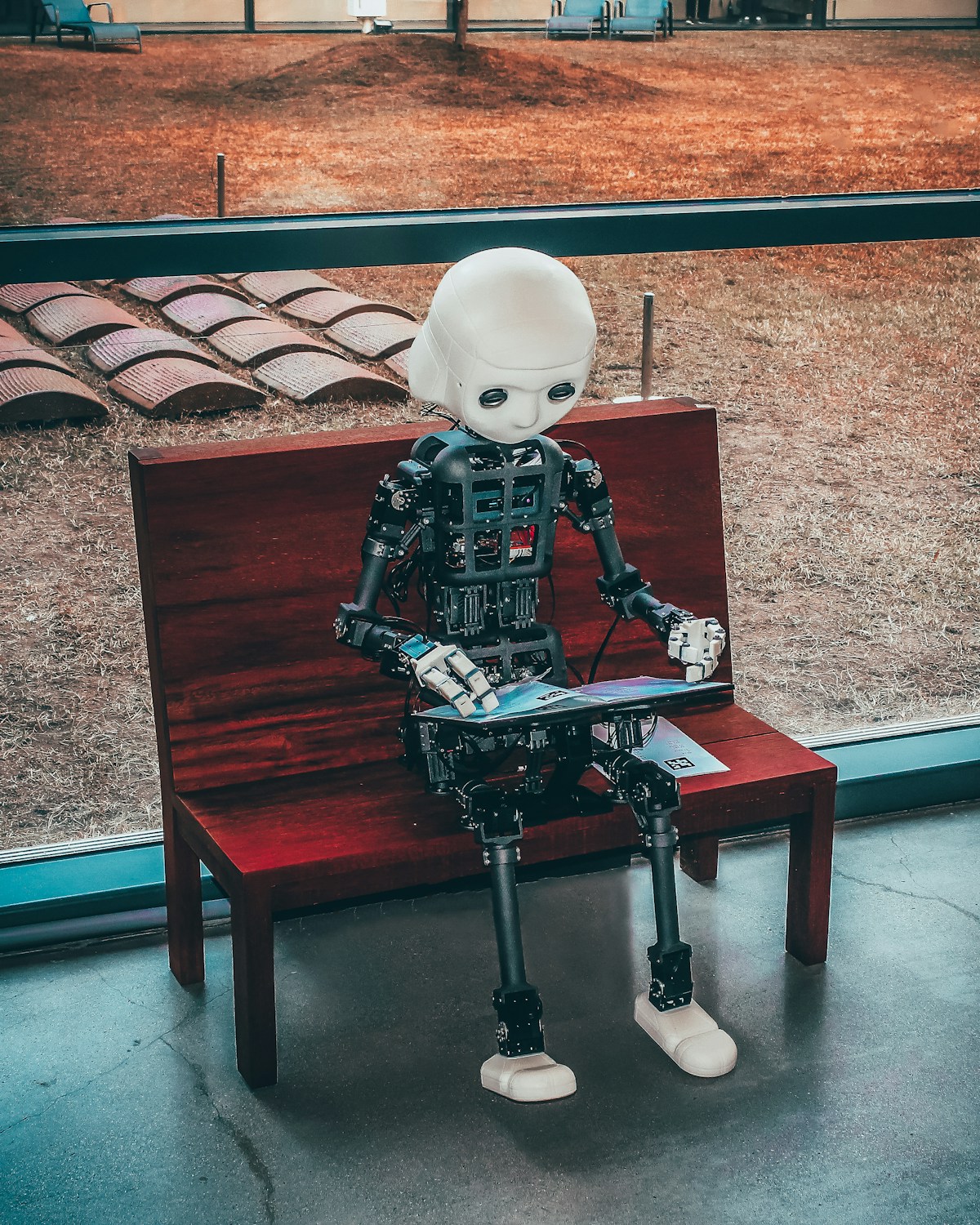
Image credit: Image: Unsplash
AI in HR: Transforming Recruitment & Talent Management in 2026
As of January 2026, Artificial Intelligence (AI) has transitioned from a futuristic promise to an indispensable tool in the Human Resources sector. Its application extends far beyond basic automation, driving a revolution in how companies attract, develop, and retain talent. Organizations embracing AI in HR are gaining a significant competitive edge, optimizing processes, and enhancing the employee experience.
Intelligent and Personalized Recruitment
Recruitment is arguably the most impacted area by AI. Advanced AI tools, such as those from Eightfold AI or HireVue, leverage natural language processing (NLP) and machine learning to analyze resumes, candidate profiles, and even video interviews. This enables unbiased identification of the most qualified candidates, reducing bias and accelerating time-to-hire. In 2026, AI not only filters but also predicts candidate success in a specific role, based on historical performance data and complex correlations. AI-powered chatbots manage initial screening and scheduling, freeing recruiters for more strategic interactions.
AI-Optimized Employee Experience
Beyond recruitment, AI is elevating the employee experience. Platforms like Glint (now part of LinkedIn) use AI to analyze employee feedback and identify engagement and well-being trends in real-time. This allows leadership to proactively address concerns, personalize development programs, and improve organizational culture. AI also assists in creating personalized career paths, recommending courses and mentorship opportunities based on individual aspirations and performance, as seen in AI-driven upskilling and reskilling solutions.
Predictive Analytics and Strategic Decision-Making
One of the most critical developments is AI's ability to provide predictive analytics. Advanced algorithms can forecast employee turnover, identify future skill gaps, and optimize workforce planning. Companies like IBM have explored AI to predict which employees might leave the company, enabling proactive interventions. This data intelligence transforms HR from a reactive cost center into a proactive strategic partner, capable of informing crucial business decisions based on actionable insights.
Challenges and the Human-Centric Future
While AI brings remarkable efficiencies, challenges persist, such as ensuring ethics, mitigating algorithmic biases, and data privacy. Regulation, like the European Union's AI Act, is beginning to shape the responsible use of technology. In 2026, the focus is not on replacing humans but empowering HR professionals. AI handles repetitive, data-driven tasks, allowing HR specialists to concentrate on more complex, human-centric aspects: building relationships, fostering culture, and leading organizational transformation. The future of HR with AI is, paradoxically, more human, unleashing the strategic and empathetic potential of professionals.
AI Pulse Editorial
Editorial team specialized in artificial intelligence and technology. AI Pulse is a publication dedicated to covering the latest news, trends, and analysis from the world of AI.


Comments (0)
Log in to comment
Log in to commentNo comments yet. Be the first to share your thoughts!