AI in HR: Trends and the Future of Recruitment in 2026
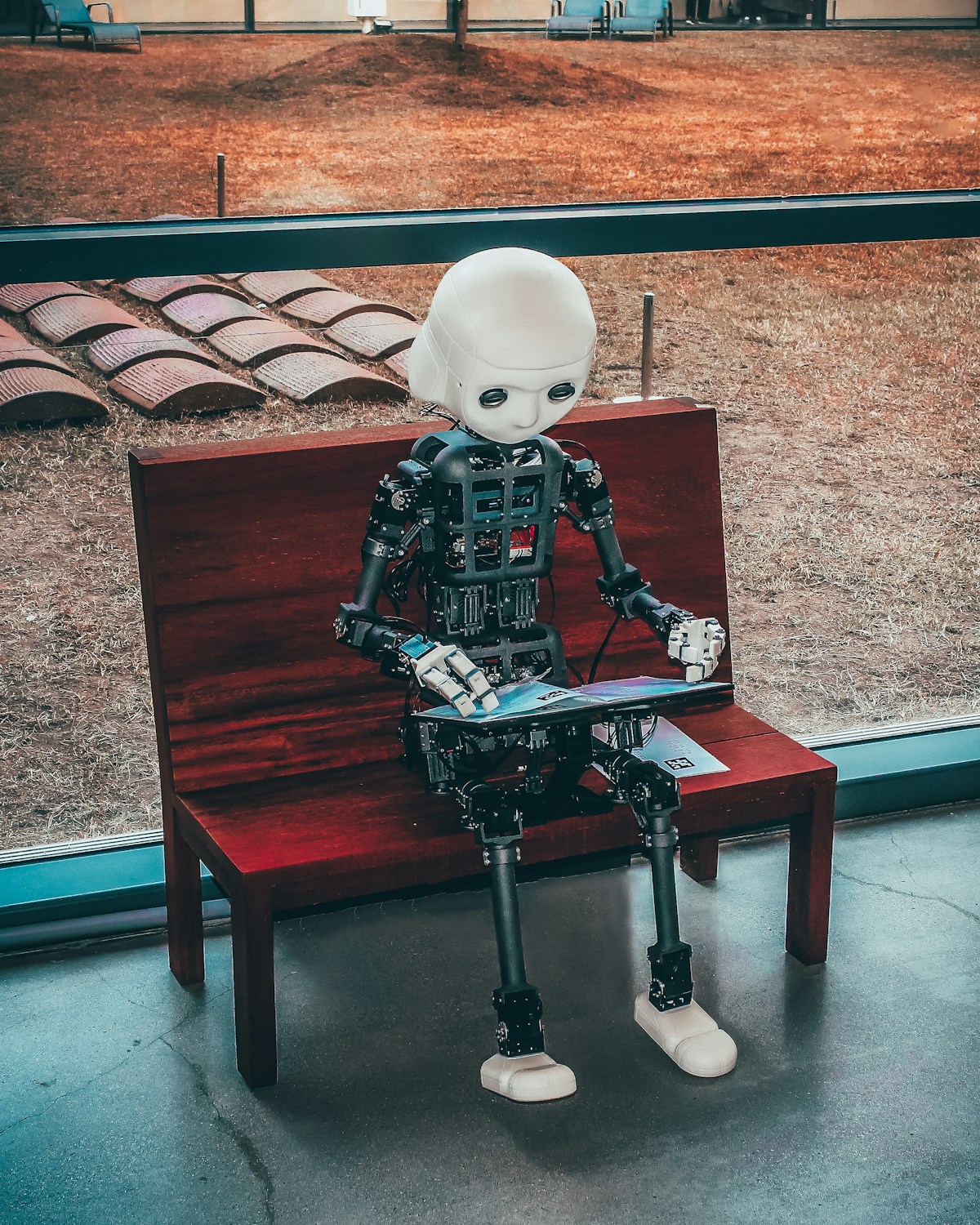
Image credit: Image: Unsplash
AI in HR: Trends and the Future of Recruitment in 2026
Artificial Intelligence (AI) has evolved from a futuristic promise to an essential tool in Human Resources (HR) and recruitment management. In 2026, companies seeking a competitive edge are integrating AI into every stage of the employee lifecycle, from attraction to development and retention. Current trends point towards more sophisticated, ethical, and human-centric AI applications.
Intelligent Automation and Predictive Analytics in Recruitment
One of the most significant advancements is intelligent automation, which extends beyond basic resume screening. AI tools, such as those offered by platforms like HireVue or Pymetrics, use advanced algorithms to analyze not only qualifications but also personality traits, cognitive abilities, and cultural fit. This accelerates the selection process by up to 75%, reducing unconscious biases and identifying candidates with higher long-term success potential. Predictive analytics, in turn, allows companies to anticipate hiring needs, forecast turnover, and identify skill gaps before they become critical.
Personalizing Candidate and Employee Experience
AI is enabling an unprecedented level of personalization. Chatbots and virtual assistants, such as those from Paradox (Olivia AI), provide 24/7 support to candidates, answering FAQs and scheduling interviews, significantly enhancing the candidate experience. Internally, AI customizes training and development programs, suggesting courses and career paths based on individual performance, aspirations, and skill gaps. This not only boosts engagement but also optimizes L&D investment.
Ethical AI and Transparency: Growing Priorities
As AI becomes more ubiquitous, ethics and transparency are paramount. Companies and developers are focusing on Explainable AI (XAI) to ensure that algorithmic decisions are understandable and fair. Regulations, like the proposed EU AI Act, are driving the need for algorithm audits and bias mitigation. Tools that monitor and correct imbalances in training data are essential for building trust and ensuring equity in the hiring process.
Conclusion: Strategic HR Driven by AI
In 2026, AI does not replace the human touch but enhances it, freeing HR professionals to focus on high-value strategies. By automating routine tasks and providing data-driven insights, AI transforms HR from a cost center into a strategic partner that drives growth and innovation. The continuous and responsible adoption of AI is crucial for building more efficient, diverse, and engaged workforces.
AI Pulse Editorial
Editorial team specialized in artificial intelligence and technology. AI Pulse is a publication dedicated to covering the latest news, trends, and analysis from the world of AI.


Comments (0)
Log in to comment
Log in to commentNo comments yet. Be the first to share your thoughts!