AI in Supply Chain: Strategies for Optimization in 2026
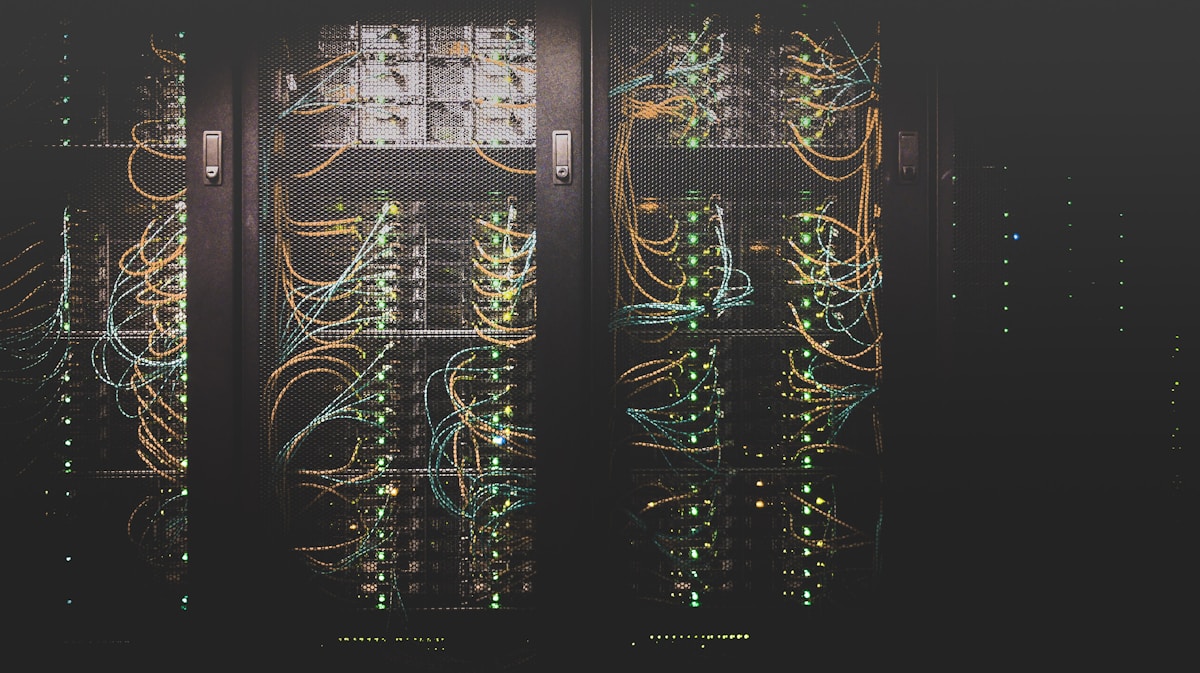
Image credit: Image: Unsplash
AI in Supply Chain: Strategies for Optimization in 2026
The global supply chain, already complex, faces increasing challenges, from geopolitical disruptions to demand fluctuations. In 2026, Artificial Intelligence (AI) is no longer a futuristic technology but a strategic imperative for companies seeking resilience and efficiency. AI offers the ability to analyze vast volumes of data, predict trends, and automate decisions, transforming every stage of the value chain.
1. Demand Forecasting and Inventory Optimization
AI is crucial for enhancing demand forecasting accuracy. Machine Learning (ML) models can analyze historical sales patterns, seasonal data, market trends, external events (such as economic news or natural disasters), and even social media data to predict demand with unprecedented precision. Companies like Amazon utilize sophisticated algorithms for real-time inventory management, minimizing both overstock and stockouts. Implement AI platforms that integrate with your existing ERP and CRM systems for a unified, predictive view.
2. Route Optimization and Smart Logistics
Logistics is one of AI's greatest beneficiaries. Dynamic routing algorithms can optimize delivery routes in real-time, considering variables such as traffic, weather conditions, vehicle capacity, and delivery deadlines. This not only reduces fuel costs and transit time but also improves customer satisfaction. Tools like those offered by C3.ai or IBM Watson Supply Chain enable predictive analysis of delays and continuous optimization of transport operations. Warehouse automation with AI-driven robotics and computer vision also accelerates order processing and reduces errors.
3. Risk Management and Resilience
In a volatile global landscape, AI is a powerful ally in risk management. AI systems can monitor global news, supplier data, and economic indicators to identify potential disruptions before they occur. For instance, sentiment analysis on news articles can flag instability in key sourcing regions. This allows companies to develop proactive contingency plans, diversify suppliers, or adjust production. The Riskmethods platform, for example, uses AI to map and monitor supply chain risks, providing real-time alerts.
4. Predictive Asset Maintenance
For critical supply chain assets, such as production machinery or vehicle fleets, AI enables predictive maintenance. IoT sensors collect performance data that is analyzed by ML algorithms to forecast failures before they happen. This minimizes unplanned downtime, extends equipment lifespan, and optimizes maintenance schedules, leading to significant savings and increased operational reliability. Companies like Siemens and GE Digital already integrate AI into their predictive maintenance solutions.
Conclusion: The Path to an Autonomous Supply Chain
Adopting AI in the supply chain is not a one-time project but an ongoing journey. Start with pilot projects focused on high-impact areas, such as demand forecasting or route optimization, and gradually expand. The key is data integration, collaboration across teams, and investment in talent with expertise in AI and data science. In 2026, companies that master AI in their supply chains will not only survive but thrive, building smarter, faster, and more resilient operations.
AI Pulse Editorial
Editorial team specialized in artificial intelligence and technology. AI Pulse is a publication dedicated to covering the latest news, trends, and analysis from the world of AI.



Comments (0)
Log in to comment
Log in to commentNo comments yet. Be the first to share your thoughts!