AI Video Editing: Transforming the Creative Industry in 2026
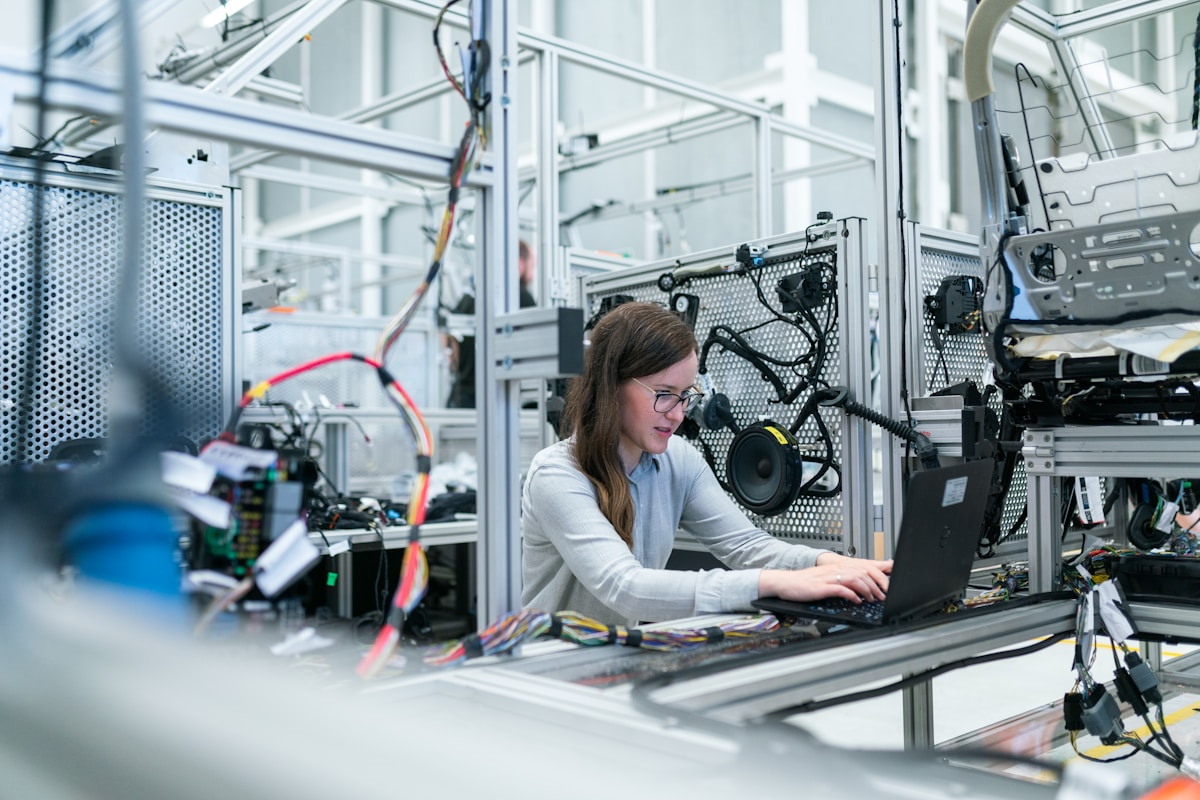
Image credit: Image: Unsplash
AI Video Editing: Transforming the Creative Industry in 2026
The year 2026 marks a turning point in the video editing industry, driven by the rapid evolution of artificial intelligence. What once required hours of manual labor and technical expertise can now be automated or assisted by intelligent algorithms. This transformation is not just a convenience; it's a fundamental redefinition of the creative workflow, opening doors to unprecedented innovations.
Intelligent Automation and Enhanced Efficiency
AI is at the heart of automating repetitive and time-consuming tasks. Tools like Adobe Premiere Pro, with its Auto Reframe and Speech to Text features, have already demonstrated the power to automatically adjust video formats for different platforms or generate accurate captions in seconds. Other platforms, such as RunwayML and Descript, take this to a new level, allowing users to remove unwanted objects, generate synthetic backgrounds, or edit audio like text, drastically reducing post-production time. This empowers editors and creators to focus more on storytelling and artistic vision rather than technical minutiae.
AI-Powered Content Generation and Enhancement
Beyond automation, AI is becoming an active creative partner. Advanced generative AI models, as seen in Stable Diffusion Video or OpenAI's Sora (in their latest 2026 iterations), enable the creation of entire clips from text descriptions or the expansion of existing scenes with artificially generated elements. Frame interpolation for smoother motion, restoration of old footage to 4K quality, or even real-time facial expression alteration are now accessible realities, democratizing techniques once exclusive to high-budget productions.
Challenges and the Future of Human-AI Collaboration
Despite these advancements, the integration of AI into video editing is not without its challenges. Issues such as the authenticity of AI-generated content (deepfakes), the necessity of human discernment to refine AI outputs, and the learning curve for new tools remain pertinent. However, the trend is clear: AI does not replace the editor but empowers them. The future of video editing lies in a symbiotic collaboration, where human creativity merges with the efficiency and expansive capabilities of artificial intelligence. Companies like Blackmagic Design, with their DaVinci Resolve updates, continue to integrate cutting-edge AI features, solidifying this vision.
Conclusion: A New Era of Visual Storytelling
AI video editing tools are redefining the landscape of content creation. They not only accelerate the process but also expand creative possibilities for everyone, from independent filmmakers to major studios. For professionals in the field, the key is to embrace these technologies, learn to use them effectively, and focus on storytelling, allowing AI to handle the heavy lifting. The golden age of AI-powered visual creativity is just beginning.
AI Pulse Editorial
Editorial team specialized in artificial intelligence and technology. AI Pulse is a publication dedicated to covering the latest news, trends, and analysis from the world of AI.
Comments (0)
Log in to comment
Log in to commentNo comments yet. Be the first to share your thoughts!