Apple and Google Gemini: A New Era for Siri and Apple's AI
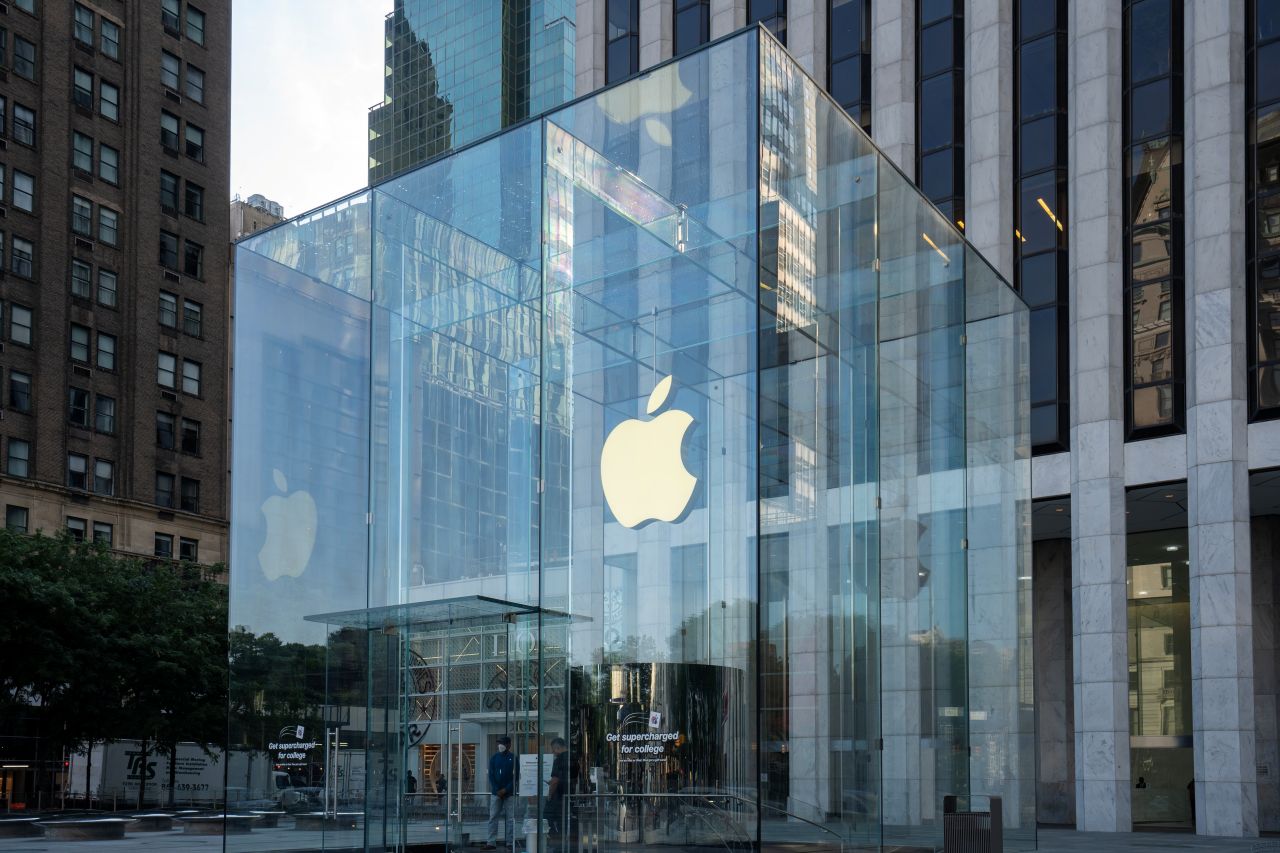
Image credit: Imagem: AI Business
Apple Boosts AI Efforts with Google Partnership
Apple, renowned for its closed ecosystem and in-house development, is embarking on a strategic collaboration with Google to supercharge its artificial intelligence capabilities. The Cupertino giant plans to integrate Google's advanced Gemini AI model into its devices, a move poised to revolutionize Siri and other AI functionalities. This decision signals a notable shift in Apple's strategy, which has historically favored building its own end-to-end solutions.
For years, Siri, Apple's virtual assistant, has faced criticism for its performance and limitations compared to competitors. The integration of Gemini represents an opportunity for Apple to achieve parity and potentially exceed user expectations in terms of contextual understanding and natural language generation. The partnership is an acknowledgment of Google's leadership in the field of large language models (LLMs).
Gemini at the Core of Apple's Next-Gen AI
The decision to license Gemini, rather than developing an in-house alternative or collaborating with other players like OpenAI, underscores the complexity and cost of building and maintaining a cutting-edge LLM. Google Gemini, with its multimodal capabilities and robust performance, offers a strong foundation for Apple to significantly enhance its AI offerings. This collaboration could be a game-changer for user experience across iPhones, iPads, and other Apple devices.
It is expected that Gemini's integration will enable Siri to perform more complex tasks, understand conversational nuances, and provide more contextual and helpful responses. This could range from summarizing emails and documents to content creation and proactive assistance. Apple aims not just to improve Siri but to infuse generative AI throughout its operating system, elevating the overall user experience. For more details on Gemini's capabilities, refer to the official Google DeepMind page.
Implications and the Future of Mobile AI
This partnership carries broad implications for the mobile AI landscape. For Apple, it represents an acceleration in its AI roadmap, allowing it to compete more effectively with rivals who have already integrated generative AI into their products. For Google, it's a significant validation of its Gemini technology and an opportunity to further expand its reach into Apple's vast ecosystem. The collaboration also raises questions about data privacy, a core tenet for Apple, and how this partnership will be managed to protect user information.
Analysts anticipate that Apple will likely implement a hybrid approach, using smaller, on-device optimized models for common tasks and leveraging Google's servers for more intensive and complex AI processing. This strategy would balance performance, privacy, and efficiency. Apple has been investing heavily in AI research, as evidenced by its publications at conferences like NeurIPS, but the scale of modern LLMs requires resources few companies can match alone. To explore how generative AI is transforming various sectors, you can visit our section on AI tools [blocked].
Why It Matters
This collaboration between Apple and Google is a significant milestone in the artificial intelligence race, promising to redefine the user experience across billions of devices. It highlights the increasing complexity and cost of cutting-edge AI development, driving strategic partnerships even among historical competitors. For consumers, it means a smarter Siri and more powerful AI functionalities, while for the industry, it signals a new era of AI collaboration and specialization. The ability to innovate rapidly in AI is crucial for relevance in today's tech market.
This article was inspired by content originally published on AI Business by Shaun Sutner. AI Pulse rewrites and expands AI news with additional analysis and context.
AI Pulse Editorial
Editorial team specialized in artificial intelligence and technology. AI Pulse is a publication dedicated to covering the latest news, trends, and analysis from the world of AI.


Comments (0)
Log in to comment
Log in to commentNo comments yet. Be the first to share your thoughts!