Business Growth with AI: Five Human-Centric Strategies
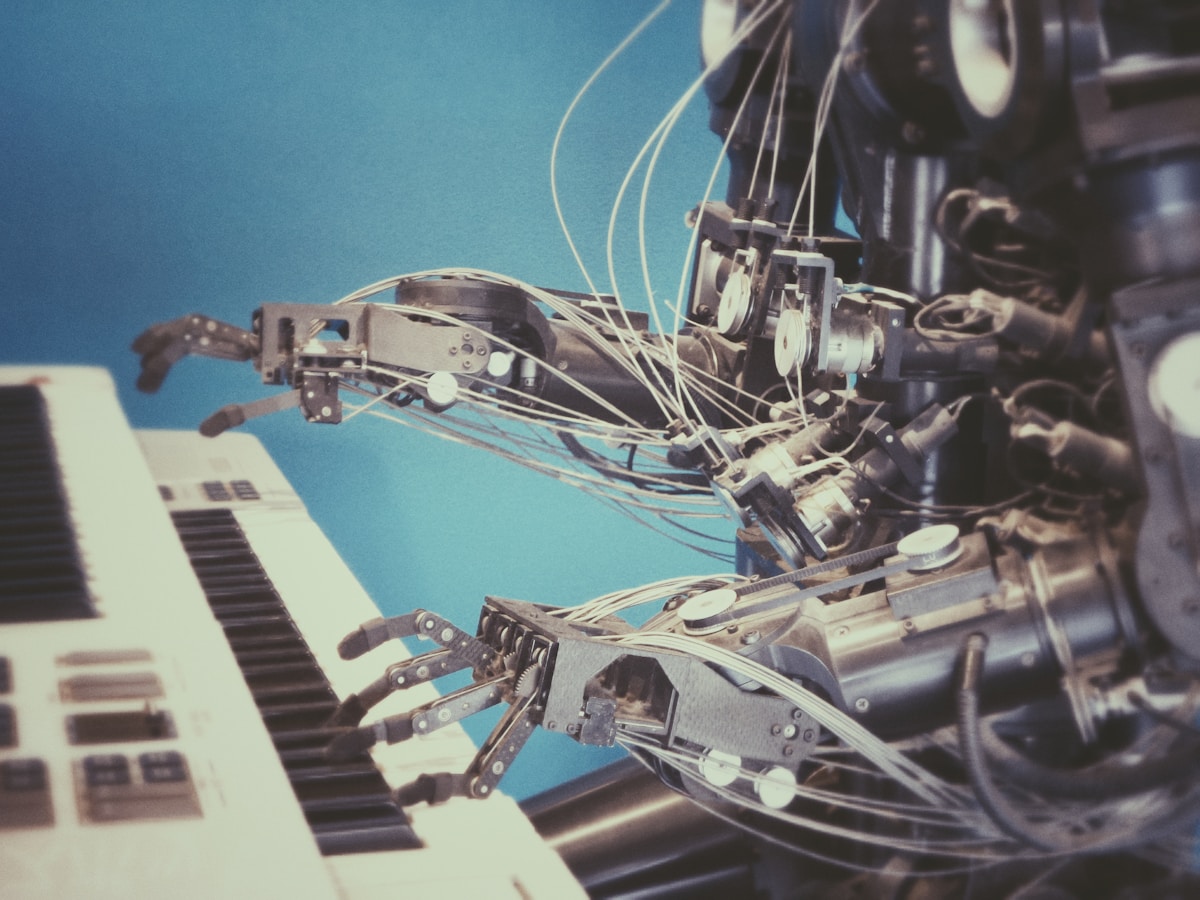
Image credit: Photo by Hitesh Choudhary on Unsplash
The AI Revolution and the Need for a Balanced Approach
Artificial intelligence is rapidly reshaping the corporate landscape, offering unprecedented potential for optimization and innovation. However, successful AI adoption isn't just about implementing new technologies; it demands a strategy that values collaboration between machines and humans. The key is to leverage AI's analytical capabilities to complement and augment human skills, rather than replace them.
Companies that achieve this synergy are discovering new ways to generate value, from personalizing customer experiences to optimizing complex internal processes. Effective AI integration is a crucial competitive differentiator in today's market.
Five Strategies to Drive Growth with AI and People
To ensure AI serves as an empowering tool rather than a replacement, organizations must adopt collaborative approaches. Here are five essential strategies:
1. Enhance Decision-Making with Data and Insights
AI excels at analyzing vast volumes of data, identifying patterns and trends that would be imperceptible to humans. By providing actionable insights, AI empowers leaders and teams to make more informed and strategic decisions. For instance, algorithms can predict market demands or pinpoint operational bottlenecks, enabling managers to act proactively. This collaboration transforms decision-making from an art into a science, grounded in robust evidence. A Harvard Business Review study highlights the importance of combining data with human judgment.
2. Automate Repetitive Tasks to Unleash Human Potential
Robotic Process Automation (RPA) and other forms of AI can take over routine, repetitive tasks such as data entry, basic customer support, or report generation. This frees up employees to focus on activities requiring creativity, critical thinking, complex problem-solving, and human interaction. The focus shifts from 'doing' to 'thinking' and 'innovating,' elevating the value of human work and team satisfaction. Deloitte offers insights into how intelligent automation is transforming the workplace.
3. Personalize Customer Experience at Scale
AI algorithms can analyze customer behavior to offer personalized recommendations, proactive support, and tailored communications. This creates a richer, more engaging customer experience that would be impossible to replicate manually at scale. Personalization drives loyalty and satisfaction, leading to increased retention and revenue. AI acts as a partner that enables businesses to understand and individually cater to each customer while maintaining the essential human touch.
4. Optimize Operations and Efficiency
From supply chain management to optimizing delivery routes and predictive equipment maintenance, AI can identify inefficiencies and suggest significant operational improvements. This not only reduces costs but also boosts business productivity and resilience. AI's ability to process real-time data allows for dynamic adjustments, making operations more agile and responsive to market changes. For more insights into AI's operational impact, explore our AI tools [blocked] section.
5. Foster Innovation and New Product/Service Development
AI can be a powerful tool for research and development. By analyzing market trends, customer feedback, and R&D data, AI can help identify market gaps, predict demand for new products, and even assist in prototyping. This accelerates the innovation cycle, allowing companies to launch more relevant and competitive products and services, always with human creativity and strategic vision at the helm. For a deeper dive into AI's role in innovation, consider exploring our AI Hub for comparative insights.
Why It Matters
The strategic integration of artificial intelligence with the human workforce is paramount for business success in the 21st century. Rather than viewing AI as a threat, organizations should embrace it as a catalyst for innovation, efficiency, and sustainable growth, ensuring that the irreplaceable value of human intelligence and creativity is amplified, not diminished. This collaborative approach is key to unlocking AI's true potential and building a more productive and fulfilling future of work.
This article was inspired by content originally published on ZDNet AI. AI Pulse rewrites and expands AI news with additional analysis and context.
AI Pulse Editorial
Editorial team specialized in artificial intelligence and technology. AI Pulse is a publication dedicated to covering the latest news, trends, and analysis from the world of AI.



Comments (0)
Log in to comment
Log in to commentNo comments yet. Be the first to share your thoughts!