Dell Questions AI Hype: Customers Aren't Buying PCs Just for AI
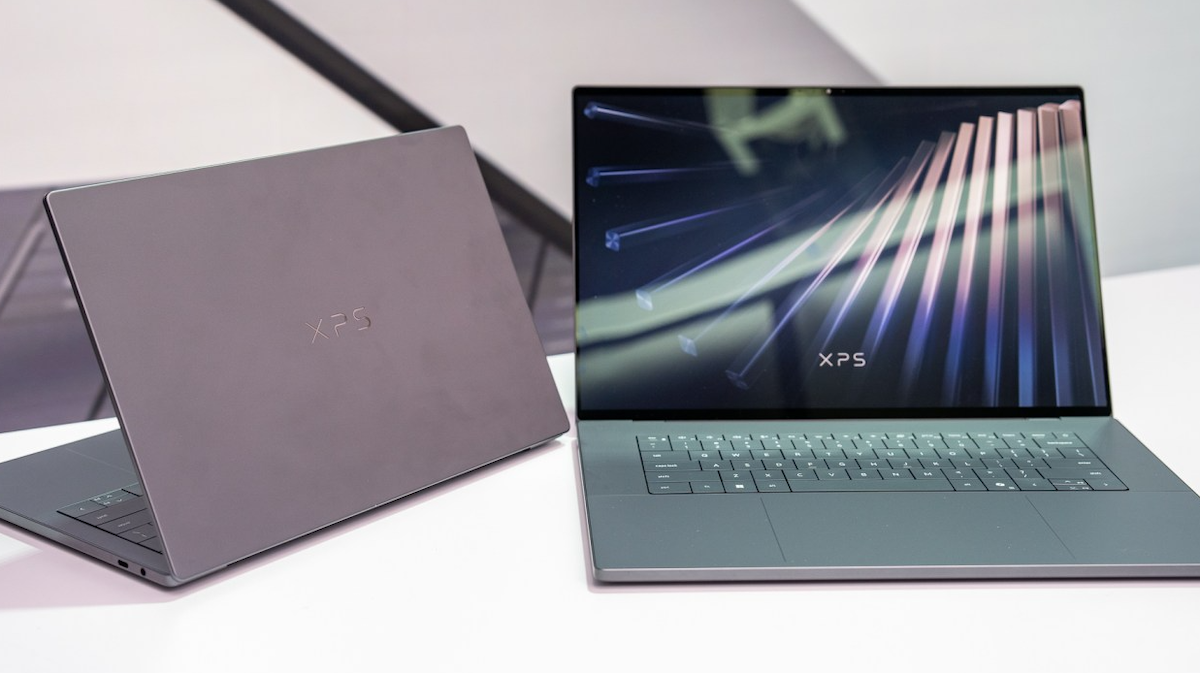
Image credit: Imagem: Pplware
The Market Reality: Beyond the AI Hype
In today's technological landscape, artificial intelligence (AI) dominates headlines and the product strategies of many companies. However, Dell, one of the world's largest computer manufacturers, has brought a more sober perspective to the discussion. The company admitted that while AI is a growing component, customers are not purchasing new PCs solely for the inclusion of AI features.
This statement underscores a potential disconnect between aggressive industry marketing and the true needs or priorities of end-users. Dell seems to acknowledge that the perceived value of AI in personal computers has not yet translated into a standalone purchasing motivation for most consumers.
What Really Drives PC Purchases?
Historically, personal computer upgrades have been driven by tangible needs: better performance for demanding tasks, increased storage capacity, thinner designs, or higher-quality displays. Dell suggests that these factors remain paramount. AI functionalities, while interesting, are seen as a bonus or an incremental improvement, rather than a revolutionary sales driver.
Companies like Intel and AMD have invested significantly in Neural Processing Units (NPUs) to integrate AI capabilities directly into processors. This move aims to optimize tasks such as video conferencing, image editing, and security, but their daily utility for the average user is still being explored. For more details on hardware innovations, you can consult Intel's product announcements.
Implications for the Tech Industry
Dell's observation serves as a wake-up call for the entire industry. An excessive focus on AI as a selling differentiator could lead to unrealistic expectations and a misalignment with consumer priorities. Instead of simply "adding AI" to a product, companies may need to clearly demonstrate how AI solves real problems or significantly enhances the user experience in ways that justify a new investment.
This situation could lead to a re-evaluation of marketing and product development strategies. In the long run, AI in PCs will need to prove its worth through practical applications and tangible benefits, not just as a cutting-edge technology label. For businesses looking to effectively integrate AI, understanding best practices in enterprise AI [blocked] is crucial.
The Evolution of AI in Personal Devices
While Dell is being cautious, this does not mean that AI has no promising future in PCs. The question is more about timing and application. On-device AI promises greater privacy, lower latency, and the ability to operate without a constant cloud connection, which is a significant advancement. However, the applications that truly captivate the average user are still maturing.
It is likely that we will see a gradual transition, where AI becomes increasingly integrated and indispensable, but in a more subtle and utility-driven way. The challenge for manufacturers is to effectively communicate this value and develop features that consumers actually want and use. To explore more about tools and trends, you can compare AI tools [blocked] available in the market.
Why It Matters
Dell's admission is an important reminder that technological innovation, however advanced, must always align with consumer needs and perceived value. This scenario forces the industry to move beyond the mere AI buzzword, focusing instead on how this technology can genuinely improve users' lives and productivity, ensuring that investment in new equipment is justified by concrete benefits and not just a marketing label.
This article was inspired by content originally published on Pplware by Ana Sofia Neto. AI Pulse rewrites and expands AI news with additional analysis and context.
AI Pulse Editorial
Editorial team specialized in artificial intelligence and technology. AI Pulse is a publication dedicated to covering the latest news, trends, and analysis from the world of AI.
Comments (0)
Log in to comment
Log in to commentNo comments yet. Be the first to share your thoughts!