Enterprise Chatbots: The Future of Interaction and Efficiency in 2026
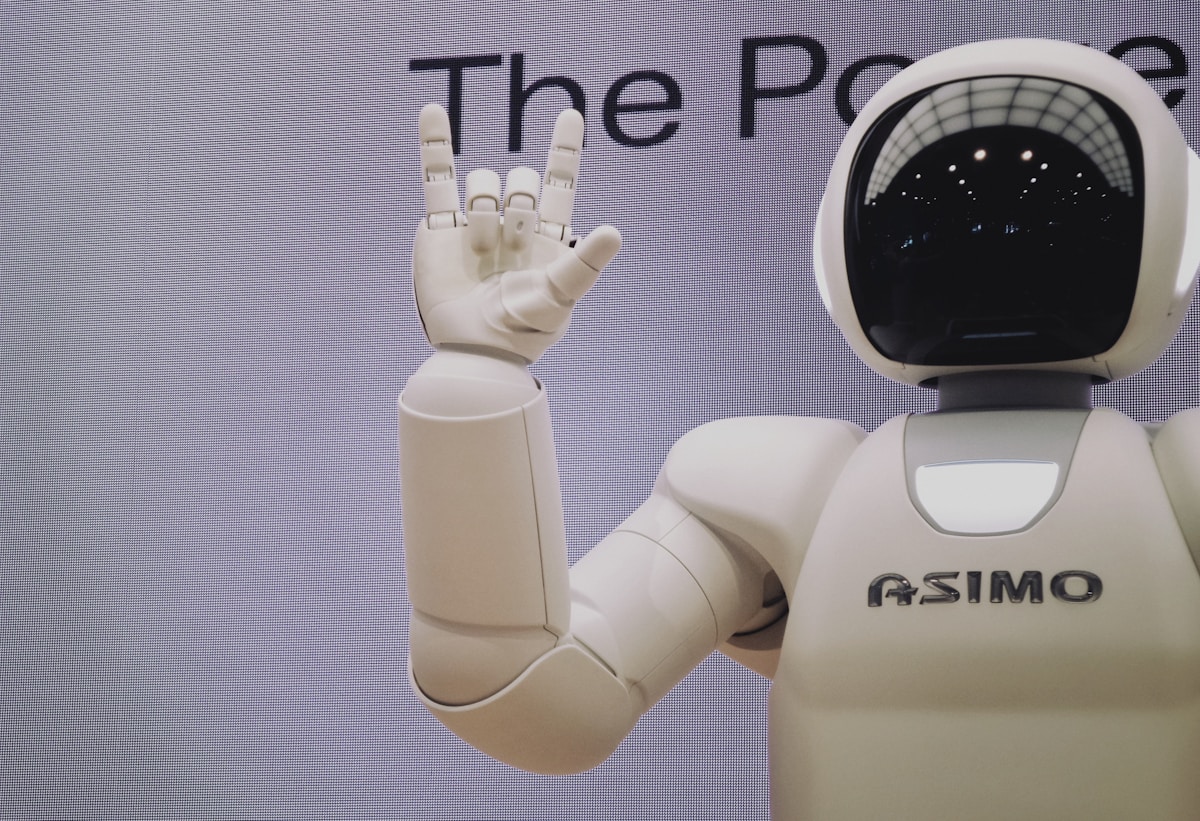
Image credit: Image: Unsplash
Enterprise Chatbots: The Future of Interaction and Efficiency in 2026
By 2026, enterprise chatbots and virtual assistants have transcended the experimental phase, becoming strategic pillars for optimizing operations and enhancing customer experience. The evolution of Generative AI (GenAI) and Large Language Models (LLMs) has ushered in a new era of capabilities, promising a future where human-machine interaction is seamless and highly efficient.
Hyper-Personalization and Contextual Intelligence
The future of enterprise chatbots lies in their ability to deliver hyper-personalization at scale. Thanks to advancements in LLMs, such as the latest models from Google or OpenAI, 2026's virtual assistants don't just answer questions; they anticipate needs, understand emotional nuances, and offer proactive solutions based on a customer's full history and current context. Companies like Salesforce are integrating these capabilities into their CRM platforms, allowing chatbots to act as true advisors, not just problem-solvers. This translates into higher customer satisfaction and reduced churn.
Multi-Channel Integration and Unified Workflows
Fragmentation is the enemy of efficiency. In 2026, we expect enterprise chatbots to operate fluidly across all communication channels – web, mobile, voice, social media, and even Augmented Reality (AR). This integration isn't limited to the customer-facing interface; it extends to back-end systems like ERPs, CRMs, and HR platforms. A virtual assistant can, for instance, initiate a purchase order, check shipment status, and schedule a meeting, all within a single conversation. Microsoft and SAP are leading the way in creating ecosystems where virtual assistants act as orchestrators of complex workflows.
Process Automation and Enhanced Internal Support
Beyond customer service, chatbots are revolutionizing internal operations. In 2026, virtual assistants will become indispensable for HR, IT, and finance tasks. They can automate new employee onboarding, answer policy questions, assist with password resets, or even process expense reports. This frees up human employees to focus on higher-value, strategic tasks, boosting overall company productivity. Implementing bots for IT support, for example, can reduce ticket resolution time by up to 30%, according to recent data from early adopters.
Conclusion: Preparing for the Conversational AI Era
The future of enterprise chatbots is one of intelligence, integration, and omnipresence. For businesses, the imperative is to invest in robust conversational AI platforms, ensure data governance, and train their teams to collaborate effectively with these assistants. Those who embrace this transformation will not only optimize costs but also build stronger relationships with both customers and employees, securing a significant competitive advantage in the 2026 business landscape and beyond. The era of proactive, intelligent conversational AI has arrived, and businesses need to be ready to capitalize on it.
AI Pulse Editorial
Editorial team specialized in artificial intelligence and technology. AI Pulse is a publication dedicated to covering the latest news, trends, and analysis from the world of AI.



Comments (0)
Log in to comment
Log in to commentNo comments yet. Be the first to share your thoughts!