Enterprise Chatbots & VAs: The Future of Intelligent Interaction
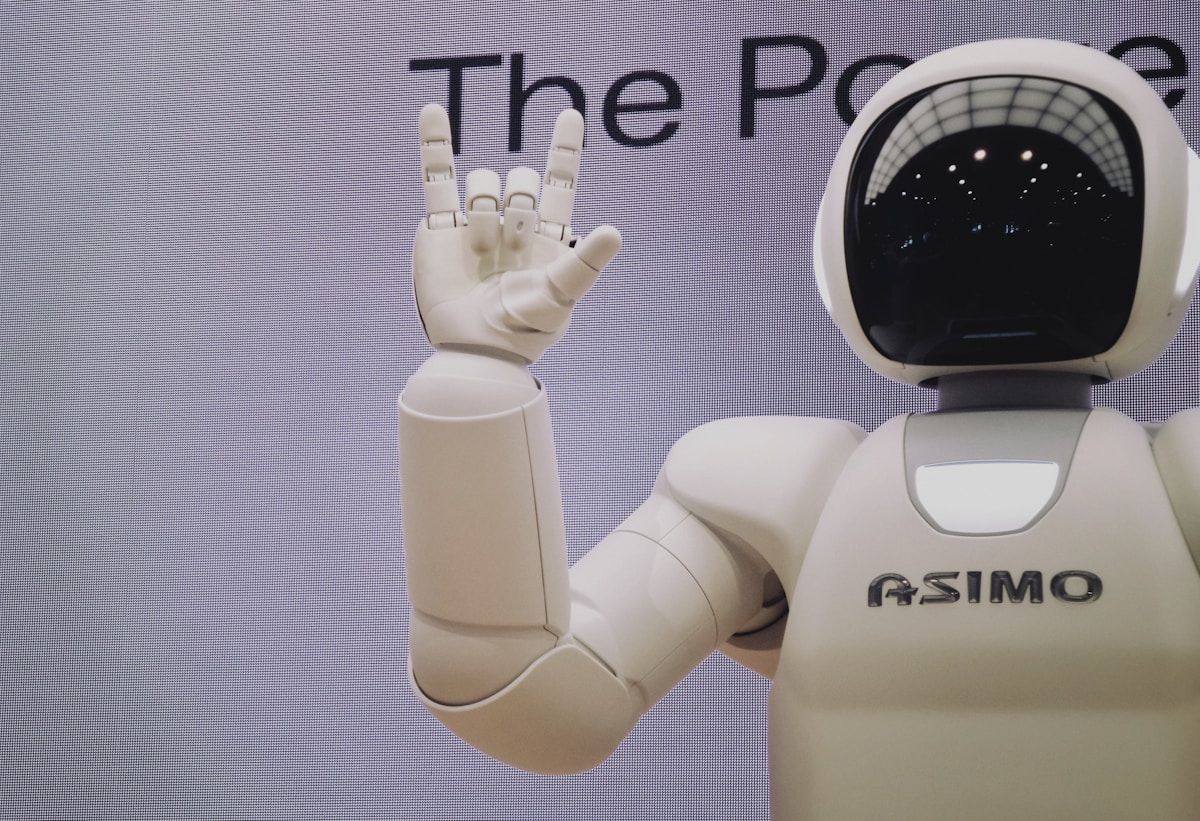
Image credit: Image: Unsplash
Enterprise Chatbots & Virtual Assistants: The Future of Intelligent Interaction in 2026
In 2026, the enterprise technology landscape is undeniably shaped by the rise of chatbots and virtual assistants (VAs). Far from being mere FAQ tools, they have transformed into strategic pillars for optimizing operations, enhancing customer experience, and empowering employees. The evolution of large language models (LLMs) and the integration with generative AI are paving the way for a new era of intelligent interaction.
Hyper-Contextualized Personalization
The future of enterprise chatbots and VAs lies in their ability to deliver deeply personalized and contextual interactions. Thanks to generative AI, these systems not only answer questions but anticipate needs, offer proactive solutions, and even co-create experiences. Imagine a sales VA that, after analyzing purchase history and market trends, suggests products or services with surgical precision, or an HR assistant guiding a new hire through a complex onboarding process, adapting to their learning pace. Companies like Salesforce, with its Einstein Copilot, are already demonstrating this capability, turning data into actionable insights in real-time.
Multimodal and Omnichannel Integration
The next frontier is seamless integration across multiple channels and modalities. Chatbots will not be confined to text interfaces; they will extend to voice, video, and even augmented reality. A customer might start a conversation via text on a website, continue by voice on a mobile app, and finish with a visual VA in a physical store, without losing context. This omnichannel fluidity, driven by LLMs capable of processing and generating content in various forms, ensures a cohesive, frictionless experience regardless of the touchpoint. The ability to interpret emotions through voice or facial expressions will also become a key differentiator, enabling more empathetic and effective responses.
End-to-End Process Automation
Beyond customer interaction, VAs are becoming orchestrators of complex internal processes. They don't just answer IT queries but can diagnose problems, order parts, and schedule technicians. In the financial sector, a VA might assist with regulatory compliance, automatically filling forms and verifying data. This end-to-end automation, combined with the ability to learn and adapt, will free up human resources for higher-value strategic tasks, significantly boosting productivity and reducing operational errors. Collaboration with Robotic Process Automation (RPA) platforms will be crucial for this synergy.
Conclusion: Preparing for the Conversational Intelligence Era
For businesses, the message is clear: investing in chatbots and VAs is no longer optional but a strategic imperative. It's crucial to focus on data quality to train these systems, ensure security and ethics in AI usage, and plan for careful integration with existing systems. Those who embrace this evolution will be ahead of the curve, building superior customer experiences and more efficient internal operations, solidifying their position in the 2026 digital economy and beyond.
AI Pulse Editorial
Editorial team specialized in artificial intelligence and technology. AI Pulse is a publication dedicated to covering the latest news, trends, and analysis from the world of AI.



Comments (0)
Log in to comment
Log in to commentNo comments yet. Be the first to share your thoughts!