Ethical AI: The Future of Frameworks in 2026 and Beyond

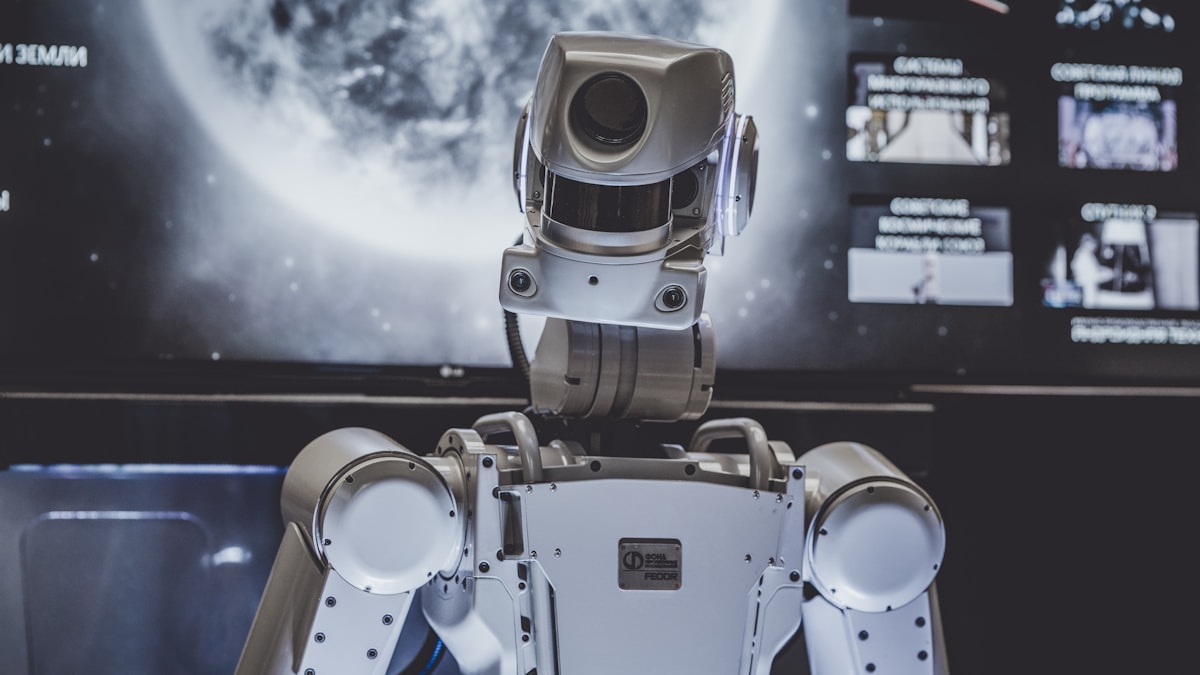
Image credit: Image: Unsplash
Ethical AI: The Future of Frameworks in 2026 and Beyond
As we step into 2026, artificial intelligence is no longer a distant promise but an omnipresent force reshaping industries and societies. With this proliferation, the need for robust, applicable ethical frameworks has become more critical than ever. What were once aspirational guidelines are now transforming into operational standards, driven by escalating regulations and public demand for accountability.
The Convergence of Global Standards
The 2026 landscape is marked by a notable convergence of regulatory efforts. We've seen the European Union's AI Act come into full effect, setting a precedent for risk classification and compliance obligations. In parallel, the U.S. Executive Order on AI and initiatives like the NIST AI Risk Management Framework (AI RMF) have gained traction, providing practical tools for risk assessment and mitigation. The prediction is that, in the coming years, these disparate regulatory and technical frameworks will begin to harmonize, with ISO/IEC 42001 (AI Management) emerging as a key global standard for interoperability and certification of ethical AI systems. Companies like IBM and Google, already investing in their own AI governance structures, are now aligning with these international benchmarks.
From Theory to Practical Operationalization
The biggest challenge and opportunity for ethical frameworks in 2026 is their operationalization. It's no longer enough to have a code of conduct; organizations need tools and processes to embed ethics into the AI development lifecycle. This includes:
- Auditing and Validation Tools: Software solutions that automate bias detection, model interpretability (XAI), and robustness assessment, such as those developed by specialized ethical MLOps startups.
- Ethical Data Governance: Implementation of privacy-by-design principles and responsible data use, focusing on provenance transparency and consent.
- Training and Culture: Mandatory AI ethics programs for developers, product managers, and leaders, fostering an organizational culture of responsibility.
Companies like Microsoft, with their Responsible AI guidelines, are at the forefront, integrating these practices into their product development pipelines.
The Growing Role of Auditing and Certification
In the near future, independent auditing and certification of AI systems will become the norm, not the exception. Just as companies seek ISO certifications for quality and security, we will see an increase in demand for ethical compliance seals for AI. This will create a new ecosystem of specialized auditors and certification platforms, providing assurance to consumers and regulators that an AI system has been developed and deployed responsibly. This trend will be crucial for building public trust, a fundamental pillar for widespread and sustainable AI adoption.
Conclusion: A Future of Responsible AI
2026 marks an inflection point for AI ethical frameworks. The era of purely philosophical discussions is giving way to an age of practical implementation, global standardization, and tangible accountability. Organizations that proactively embrace these frameworks will not only mitigate regulatory and reputational risks but also build a competitive advantage by demonstrating a commitment to responsible innovation. The future of AI is undeniably ethical, and frameworks are the map to navigate it successfully.
AI Pulse Editorial
Editorial team specialized in artificial intelligence and technology. AI Pulse is a publication dedicated to covering the latest news, trends, and analysis from the world of AI.


Comments (0)
Log in to comment
Log in to commentNo comments yet. Be the first to share your thoughts!