Marketing 5.0: AI Content Generation in 2026
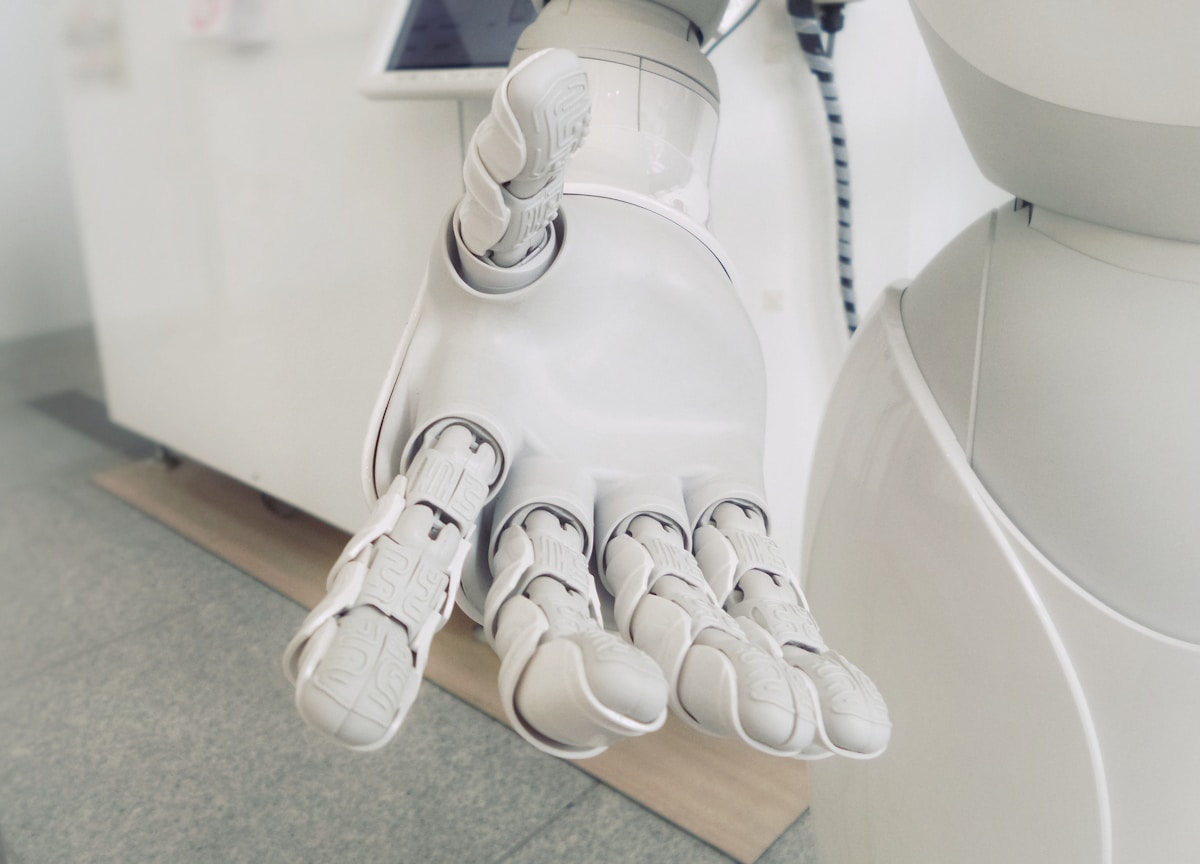
Image credit: Image: Unsplash
Marketing 5.0: AI Content Generation in 2026
It's January 2026, and artificial intelligence is no longer a futuristic tool but the central engine of the most successful marketing strategies. The era of Marketing 5.0, driven by AI, has transformed how brands connect with their audiences, elevating personalization and efficiency to unprecedented levels.
Beyond Automation: Hyper-Personalized and Contextual Content
The major leap in AI content generation isn't just speed, but the ability to create hyper-personalized messages at scale. Tools like GPT-5 (or its cutting-edge equivalents) and multimodal models enable companies to generate not only text but also images, short videos, and even audio that deeply resonate with specific audience segments, or even individuals. Imagine a marketing email featuring an AI avatar speaking directly to the customer by name, addressing their latest interactions with the brand, and suggesting products based on their real-time behavior. Companies like Sephora are already experimenting with AI avatars for personalized beauty tutorials, and this trend is set to become standard.
Predictive AI and Proactive Content
One of the most impactful trends is the use of predictive AI to anticipate consumer needs and desires even before they express them. Advanced algorithms analyze vast datasets – from search trends to social media sentiment – to identify content gaps and engagement opportunities. This allows marketing teams to create proactive content, such as blog articles that answer emerging questions, or ads that predict the next step in the customer journey. For example, Netflix uses AI not only to recommend content but also to inform the production of new titles, a logic that now extends to creating marketing campaigns for those releases.
Continuous Optimization and Dynamic A/B Testing
AI doesn't just generate content; it also optimizes it in real-time. AI-powered marketing platforms conduct dynamic A/B/n tests on a massive scale, automatically adjusting headlines, calls-to-action (CTAs), images, and even sentence structure to maximize engagement and conversions. This means campaigns are constantly improving, learning from every user interaction. Tools like those offered by Adobe Sensei and Google Marketing Platform integrate these capabilities, allowing marketers to focus on strategy while AI handles tactical optimization.
Conclusion: The Human Role in the AI Era
While AI dominates content generation and optimization, the human touch remains irreplaceable. The 2026 marketer is a strategist, a curator, and a guardian of the brand's voice. They define the vision, train AI models with high-quality data, and refine outputs to ensure authenticity and emotional resonance. AI is a powerful co-pilot, but creative direction and emotional intelligence are still human domains. Those who can harmoniously integrate human creativity with AI efficiency will be the true marketing leaders of the future.
AI Pulse Editorial
Editorial team specialized in artificial intelligence and technology. AI Pulse is a publication dedicated to covering the latest news, trends, and analysis from the world of AI.
Comments (0)
Log in to comment
Log in to commentNo comments yet. Be the first to share your thoughts!