Microsoft: AI Drives $500M Savings Post-Layoffs
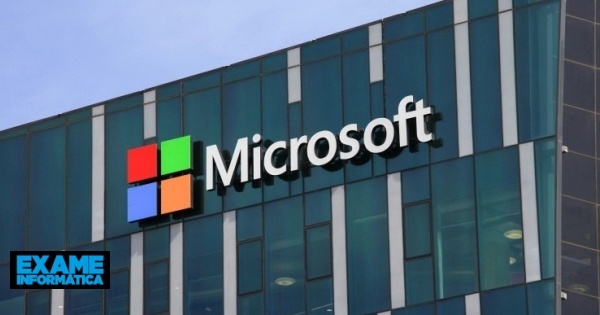
Image credit: Imagem: Exame Informática
The Promise of AI and Corporate Reality
Microsoft, a leading force in the global technological landscape, has unveiled a significant milestone: its AI-powered tools and solutions have already generated approximately $500 million in savings. This news, shared by the company's chief commercial officer, highlights the tangible impact AI is having on internal operations and efficiency.
However, this statement emerges within a complex context. Just days prior, the company had announced the layoff of around 9,000 employees. While justified by macroeconomic factors and strategic adjustments, this move inevitably raises questions about the relationship between AI adoption and workforce decisions.
AI's Role in Cost Optimization
The $500 million in AI-driven savings reported by Microsoft is not an isolated incident but rather a reflection of a growing trend across the tech sector. Companies are heavily investing in AI to automate repetitive tasks, optimize processes, enhance decision-making, and reduce reliance on human labor in certain functions. Microsoft, with its vast portfolio of products and services, from Azure AI to Copilot integrations in productivity applications, is uniquely positioned to reap these benefits internally.
AI tools can, for instance, streamline customer support, optimize supply chains, automate code generation, and even improve energy efficiency in data centers. For more details on the company's AI initiatives, refer to the official Microsoft AI website.
Challenges and Ethical Implications
Despite the evident economic benefits, the link between AI automation and staff reductions is a subject of intense debate. Although Microsoft has not explicitly correlated the layoffs directly with AI implementation, the timing raises concerns about the future of work in the age of artificial intelligence. Critics argue that while AI can create new jobs and boost productivity, it can also displace workers in roles susceptible to automation.
This situation underscores the need for ongoing dialogue about workforce reskilling and the creation of robust social safety nets. The transition to an AI-driven economy requires companies and governments to collaborate to mitigate negative impacts on workers. For a deeper perspective on the societal implications of AI, you can consult research on AI's impact on employment.
The Future of Enterprise AI
Microsoft's case serves as a compelling study for the future of enterprise AI [blocked]. Businesses will continue to pursue AI for efficiency gains and cost reduction. However, the challenge will be balancing these objectives with social responsibility and talent management. The ability to innovate with AI while skillfully managing workforce transitions will be a crucial competitive differentiator.
In the long term, AI will not only optimize existing operations but also unlock new business models and services. Microsoft, by heavily investing in AI research and development, as evidenced by its involvement with OpenAI, is positioning itself at the forefront of this transformation. To explore other tools and trends, visit our AI Hub [blocked].
Why It Matters
This news from Microsoft is a clear indicator of the dual nature of artificial intelligence in the modern economy: a powerful engine for efficiency and savings, yet also a catalyst for workforce restructuring. It compels reflection on how companies will manage the transition to a more automated future and the human impact of these decisions, shaping the debate around the future of work and corporate responsibility in the AI era.
This article was inspired by content originally published on Exame Informática by Dilpesh. AI Pulse rewrites and expands AI news with additional analysis and context.
AI Pulse Editorial
Editorial team specialized in artificial intelligence and technology. AI Pulse is a publication dedicated to covering the latest news, trends, and analysis from the world of AI.
Comments (0)
Log in to comment
Log in to commentNo comments yet. Be the first to share your thoughts!