Netflix's Recommendation Future: Predictive AI & Hyper-Personalization
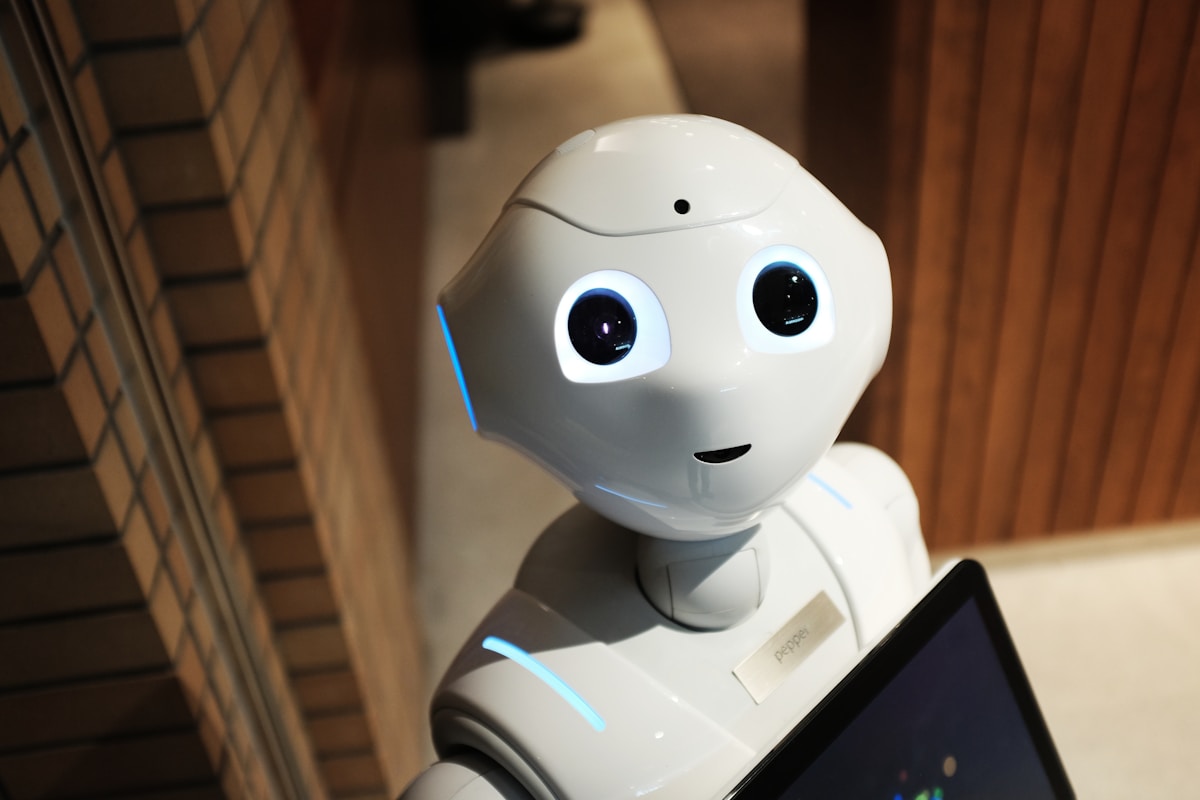
Image credit: Image: Unsplash
Netflix's Recommendation Future: Predictive AI & Hyper-Personalization
Since its pivot to streaming, Netflix has been synonymous with innovation, and at the heart of its success lies an unparalleled AI recommendation system. As of January 2026, with the AI landscape evolving at a breakneck pace, it's fascinating to speculate on the next frontiers for Netflix in the art of content discovery. The future isn't just about what you liked, but what you will like even before you know it.
Beyond History: Predictive and Contextual AI
Traditionally, Netflix's algorithms heavily relied on viewing history and ratings. However, the next generation of AI will go far beyond. We anticipate a shift towards predictive models that incorporate real-time contextual data, such as time of day, device in use, location (for geo-specific content), and even your inferred mood based on browsing patterns. Reinforcement Learning (RL) algorithms will be crucial, allowing the system to continuously learn and adapt to your evolving preferences, not just past ones. Research into Large Language Models (LLMs) may also enable more sophisticated understanding of plot nuances and themes, connecting content that doesn't immediately appear related.
Hyper-Personalization and Dynamic Content
Personalization will no longer be limited to title selection. Imagine Netflix using AI to tailor trailers, thumbnail artwork, and even the opening scene sequence of an episode to maximize your engagement. This dynamic personalization, driven by generative AI, could create unique experiences for every user. For instance, an action movie trailer might focus more on dramatic scenes for one user and explosions for another, all based on their inferred viewing profiles. Companies like DeepMind and OpenAI are pushing the boundaries of generative AI, and Netflix, with its vast datasets, is uniquely positioned to apply these innovations.
Ethical Challenges and Human Curation
With great personalization power comes great responsibility. Netflix will have to carefully navigate ethical challenges, such as creating "filter bubbles" or potentially reinforcing biases. The balance between algorithmic discovery and human curation will become even more critical. While AI excels at pattern recognition, human editors can introduce serendipity and expose users to diverse perspectives they might not otherwise encounter. Future systems will likely integrate a hybrid approach, where AI identifies potential content, and human curators refine and diversify the recommendations, ensuring a rich and unbiased viewing experience.
Conclusion: A Seamless, Intuitive Entertainment Journey
The future of Netflix's recommendation engine in 2026 and beyond points towards an increasingly seamless and intuitive entertainment journey. By leveraging advanced predictive AI, hyper-personalization, and generative models, Netflix aims to not just recommend content, but to anticipate desires and craft unique viewing paths. The goal remains the same: to keep you engaged, but the methods will be far more sophisticated, making content discovery an almost telepathic experience. The practical takeaway for users is an ever-improving, deeply personal content feed, while for Netflix, it's about cementing its lead in the competitive streaming landscape through unparalleled user understanding.
AI Pulse Editorial
Editorial team specialized in artificial intelligence and technology. AI Pulse is a publication dedicated to covering the latest news, trends, and analysis from the world of AI.



Comments (0)
Log in to comment
Log in to commentNo comments yet. Be the first to share your thoughts!