NVIDIA's Jensen Huang Warns: AI Negativity Harms Societal Progress
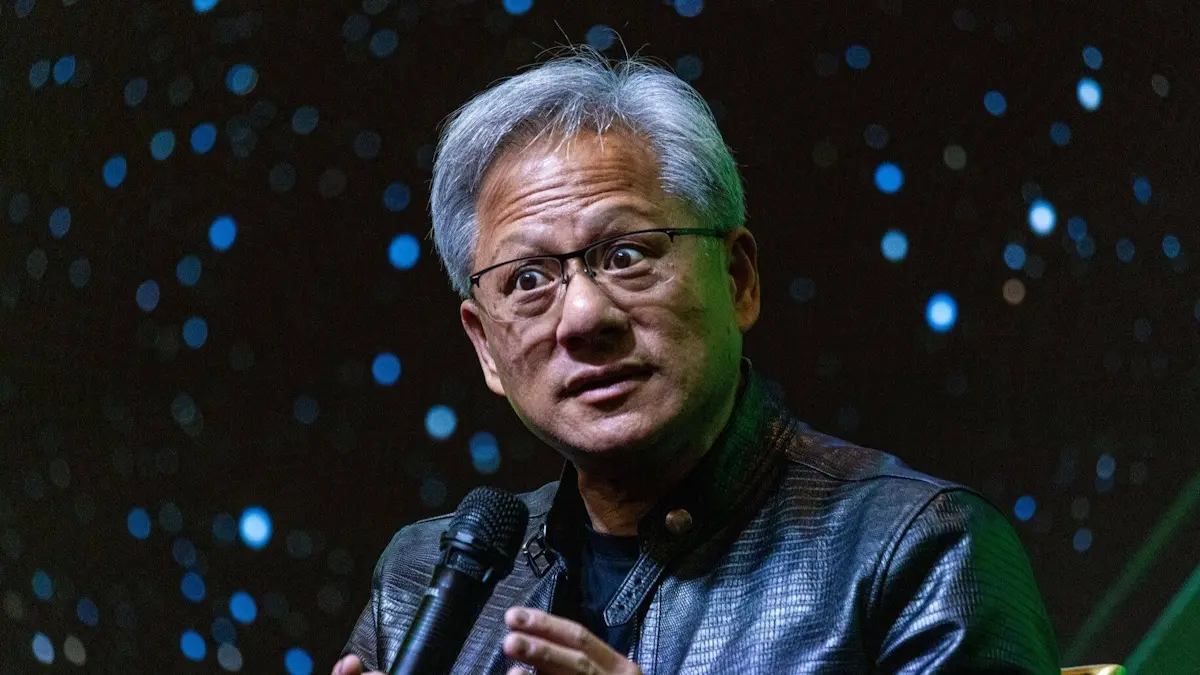
Image credit: Imagem: Pplware
The Polarized Debate Surrounding Artificial Intelligence
Artificial Intelligence (AI) has been one of the most talked-about topics of the last decade, promising to revolutionize various sectors from healthcare to industry. However, despite technological excitement, public discourse often leans towards skepticism and fear. Jensen Huang, the visionary CEO of NVIDIA, a leading company in AI hardware development, recently highlighted that this excessive negativity is hindering societal progress and the adoption of transformative innovations.
Huang argues that while caution is prudent, the disproportionate focus on AI's potential risks and dangers is overshadowing its vast benefits. This perspective echoes a growing sentiment among tech leaders who view AI as a driving force for humanity, capable of solving some of the world's most pressing challenges.
Jensen Huang's Perspective and NVIDIA's Role
During a public appearance, Jensen Huang emphasized that AI is a powerful tool, but the current narrative is painting it as an existential threat. For Huang, the real threat lies not in the technology itself, but in our inability to embrace and direct it for the common good, due to unfounded pessimism. NVIDIA, under his leadership, has been a driving force in accelerating AI, providing the Graphics Processing Units (GPUs) that are the brains behind many of the most significant advancements in the field. Their chips are crucial for training large language models and other complex AI applications, as detailed on NVIDIA's AI solutions page.
He suggests that society should focus on how we can shape AI to be a positive force, rather than paralyzing ourselves with apocalyptic scenarios. This view contrasts with some critics who call for moratoriums or stricter regulations, fearing a future where AI might surpass human control. The challenge, therefore, is to find a balance between innovation and responsibility, ensuring AI is developed ethically and safely. Exploring different AI tools [blocked] can help understand the diverse applications and challenges.
Impact of Negativity on AI Development and Adoption
The constant wave of negative news and speculation about AI's dangers can have tangible consequences. It can lead to decreased investment in research and development, delay the implementation of AI-powered solutions that could improve healthcare, education, and energy efficiency, and even undermine public trust in legitimate innovations. The adoption of AI across industries, from startups to large corporations, relies heavily on public perception and confidence in its capabilities and safety.
Furthermore, the demonization of AI can divert focus from more pressing issues, such as the need to develop adaptable regulatory frameworks and invest in workforce reskilling for new market realities. It is crucial for the debate to be nuanced, acknowledging both the transformative potential and the ethical and social challenges that AI presents. The Stanford Institute for Human-Centered AI provides valuable insights into these complex issues.
Why It Matters
Jensen Huang's perspective is critical because it highlights how public narrative can directly influence the pace and direction of technological progress. If distrust in AI persists, we risk missing valuable opportunities to solve complex problems and improve quality of life, while also delaying our ability to shape a future where AI effectively and safely serves humanity. It serves as a reminder of the collective responsibility to foster a balanced and constructive dialogue about the future of technology.
This article was inspired by content originally published on Pplware by Ana Sofia Neto. AI Pulse rewrites and expands AI news with additional analysis and context.
AI Pulse Editorial
Editorial team specialized in artificial intelligence and technology. AI Pulse is a publication dedicated to covering the latest news, trends, and analysis from the world of AI.