OpenAI Restricts GPT-5.5 Cyber Access, Sparking Cybersecurity Debate
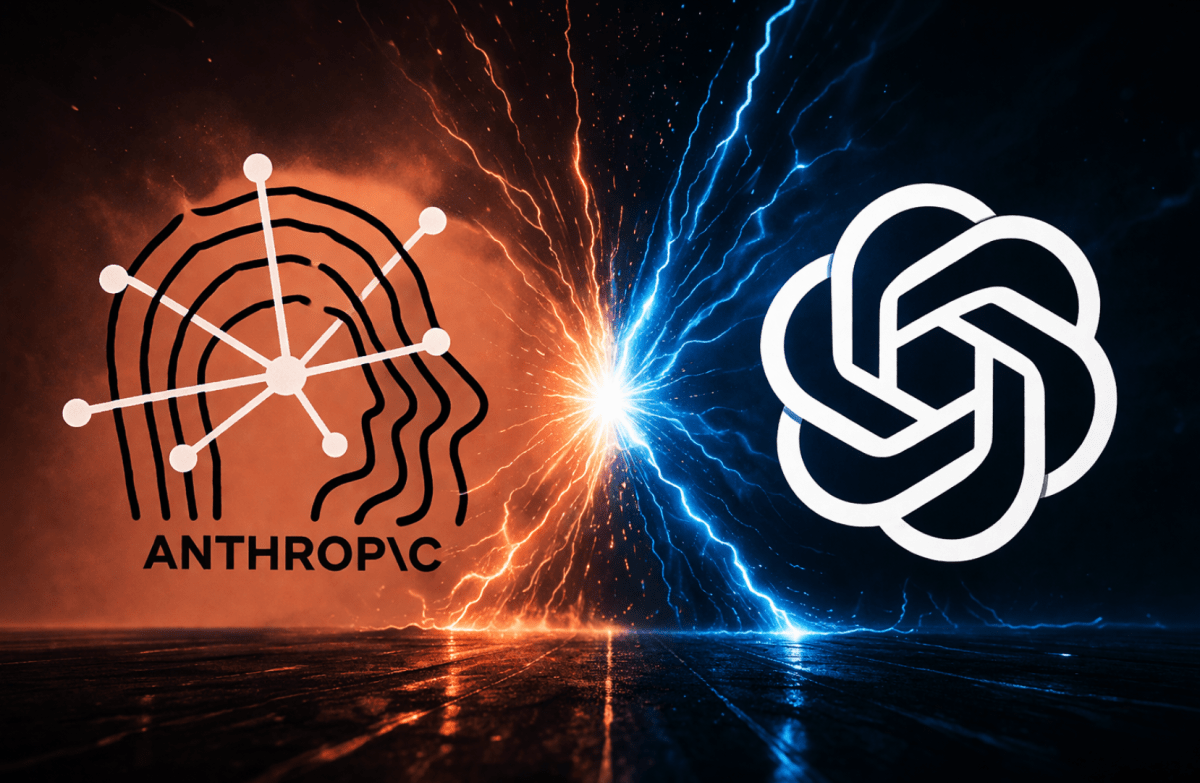
Image credit: Imagem: TechCrunch AI
OpenAI Adopts Cautious Approach with Cybersecurity AI
OpenAI, a leading entity in the field of artificial intelligence, recently unveiled its plans for GPT-5.5 Cyber, an advanced AI tool designed to bolster cybersecurity defenses. However, the company surprised many by announcing that initial access to this powerful technology would be strictly limited to a select group of "critical cyber defenders." This strategy reflects a growing industry concern regarding the responsible use and potential impact of high-performance AI tools.
Historically, OpenAI has advocated for broad access to its technology, but the sensitive nature of cybersecurity, where the same tool can be used for either defense or attack, appears to have prompted a shift in stance. The decision comes at a time when the AI community is intensely debating the ethics and safety of deploying increasingly capable models. For more details on OpenAI's responsible AI initiatives, you can visit their official blog.
The Dilemma of Controlled Access in the AI Era
OpenAI's restriction of access to GPT-5.5 Cyber is not an isolated incident. Previously, Anthropic, another prominent AI company, faced criticism for limiting access to its Mythos model, also focused on cybersecurity. OpenAI, which at one point criticized this approach, now seems to be adopting a similar strategy, underscoring the inherent complexities and challenges in developing and deploying AI in critical domains.
This caution raises an important debate: how to balance innovation and potential benefits with the risks of misuse? Tools like GPT-5.5 Cyber promise to revolutionize threat detection, vulnerability analysis, and incident response, offering cyber defenders unprecedented capabilities. However, the possibility of this same technology falling into the wrong hands and being used to orchestrate sophisticated attacks is a legitimate concern for businesses and governments globally. The National Institute of Standards and Technology (NIST) provides frameworks for AI risk management that highlight these challenges.
Implications for Cybersecurity and the Future of AI
OpenAI's decision to restrict access to GPT-5.5 Cyber has significant implications for the future of cybersecurity and how AI technologies will be developed and distributed. By prioritizing security and ethical use, the company signals a growing maturity in the AI industry, where the excitement for innovation is tempered by an awareness of risks.
This approach may encourage other companies to adopt similar policies for AI tools in sensitive areas such as defense, healthcare, or finance. Conversely, it could also generate frustration among researchers and developers seeking to explore AI's potential for good but find themselves limited by access restrictions. The balance between innovation and control is delicate and will be crucial in shaping the technological landscape for years to come. To compare various AI tools and their applications, you might want to compare AI tools [blocked] on our platform.
Why It Matters
OpenAI's restriction of GPT-5.5 Cyber symbolizes a fundamental shift in how AI companies approach the deployment of powerful technologies in high-risk domains. This not only highlights the escalating concern over AI misuse in cybersecurity but also sets a precedent for controlled access to advanced AI tools, shaping the future of digital security and AI governance.
This article was inspired by content originally published on TechCrunch AI by Julie Bort. AI Pulse rewrites and expands AI news with additional analysis and context.
AI Pulse Editorial
Editorial team specialized in artificial intelligence and technology. AI Pulse is a publication dedicated to covering the latest news, trends, and analysis from the world of AI.



Comments (0)
Log in to comment
Log in to commentNo comments yet. Be the first to share your thoughts!