Physical AI: The Next Frontier of Artificial Intelligence Enters Our World
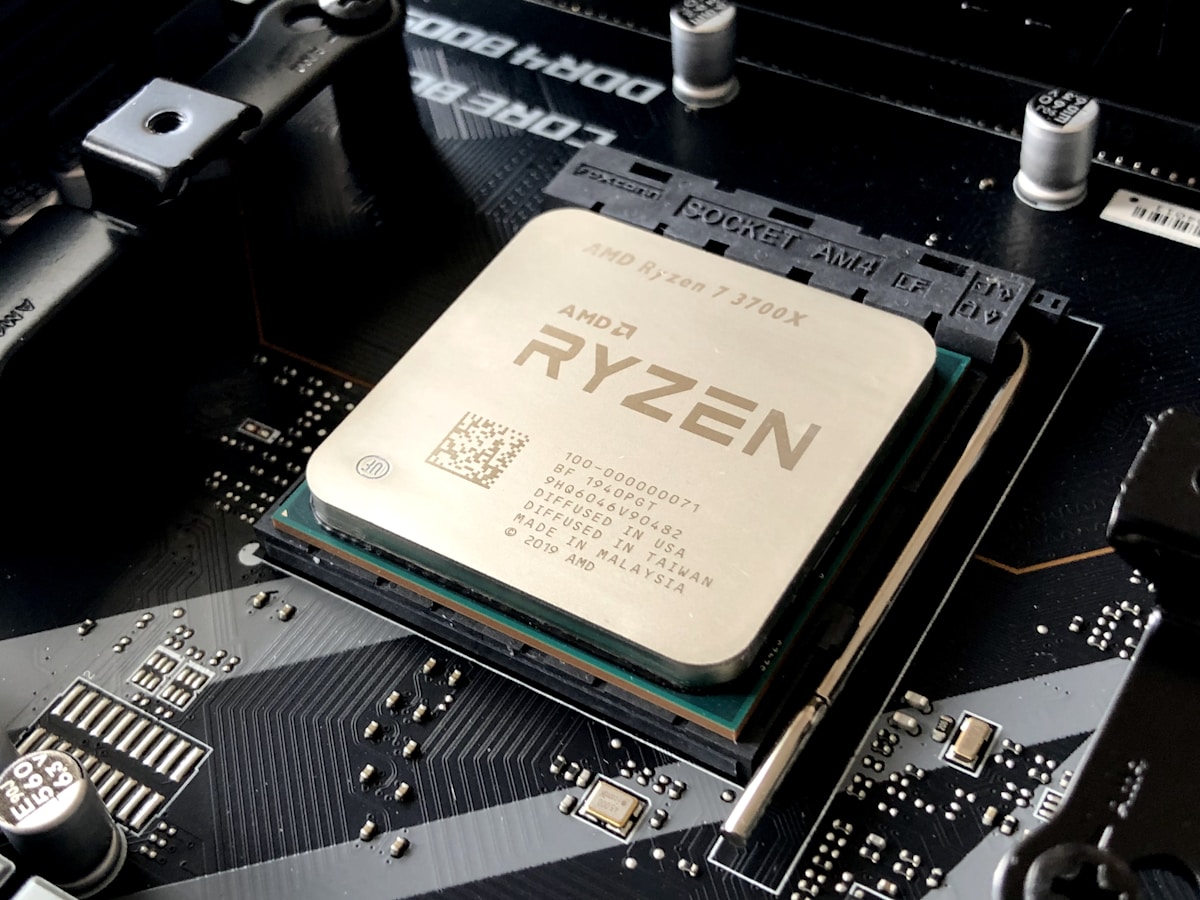
Image credit: Photo by Umberto on Unsplash
Artificial intelligence is undergoing a significant transformation, moving from the purely digital realm into the tangible world. "Physical AI" represents this evolution, where advanced algorithms are embedded directly into devices, enabling them to perceive, reason, and act within the physical environment. This shift marks a new era in how we interact with technology, making it more contextual and responsive.
What Exactly is Physical AI?
Traditionally, artificial intelligence has been associated with cloud servers or supercomputers, processing vast amounts of data for tasks like image recognition or natural language processing. Physical AI, on the other hand, refers to AI that resides and operates on edge devices such as smartphones, autonomous cars, drones, and even home appliances. These systems are capable of processing information locally, making real-time decisions, and interacting directly with their physical surroundings.
This approach reduces reliance on constant cloud connectivity, enhancing privacy, security, and latency. Qualcomm, a leader in mobile technology, has been a prominent voice in this discussion, with its chips powering many of the AI capabilities in the devices we use daily. For more details on their innovations, you can visit the official Qualcomm website.
Physical AI is Already Among Us
While the term "Physical AI" might sound futuristic, many of us already interact with it daily. Think of voice assistants responding to your commands, smartphone camera systems optimizing your photos, or advanced safety features in modern cars detecting hazards. These are all examples of AI operating at the network's edge, processing sensory data and making decisions locally.
At CES, the world's largest technology trade show, Qualcomm highlighted how physical AI is not just a vision for the future but a present reality that is rapidly expanding. The ability to process AI directly on the device opens doors for innovations across various fields, from personalized healthcare to advanced robotics. This trend is crucial for the development of enterprise AI [blocked], where data efficiency and security are paramount.
Implications and the Future of Human-Machine Interaction
The proliferation of Physical AI has profound implications. First, improved privacy and security, as data can be processed locally without being sent to the cloud. Second, reduced latency, which is essential for critical applications like autonomous vehicles and robot-assisted surgeries. Third, optimized energy consumption, by avoiding constant communication with remote servers.
This evolution is not just technical; it redefines our relationship with technology. Smarter, more autonomous devices can lead to safer, more efficient, and personalized environments. However, it also raises important questions about AI ethics, autonomous decision-making, and accountability. Institutions like the MIT Media Lab are actively researching these intersections between technology and society. For those interested in comparing various AI tools, our AI Hub [blocked] offers valuable resources.
Why It Matters
Physical AI is more than a buzzword; it's the embodiment of artificial intelligence in our everyday environment. By empowering devices to think and act locally, this technology promises greater privacy, security, and responsiveness, driving innovations from industrial automation to smarter personal assistants. Understanding this transition is fundamental to anticipating the future of technology and its societal impact.
This article was inspired by content originally published on ZDNet. AI Pulse rewrites and expands AI news with additional analysis and context.
AI Pulse Editorial
Editorial team specialized in artificial intelligence and technology. AI Pulse is a publication dedicated to covering the latest news, trends, and analysis from the world of AI.


Comments (0)
Log in to comment
Log in to commentNo comments yet. Be the first to share your thoughts!