Predictive Customer Analytics: Overcoming Challenges with AI in 2026

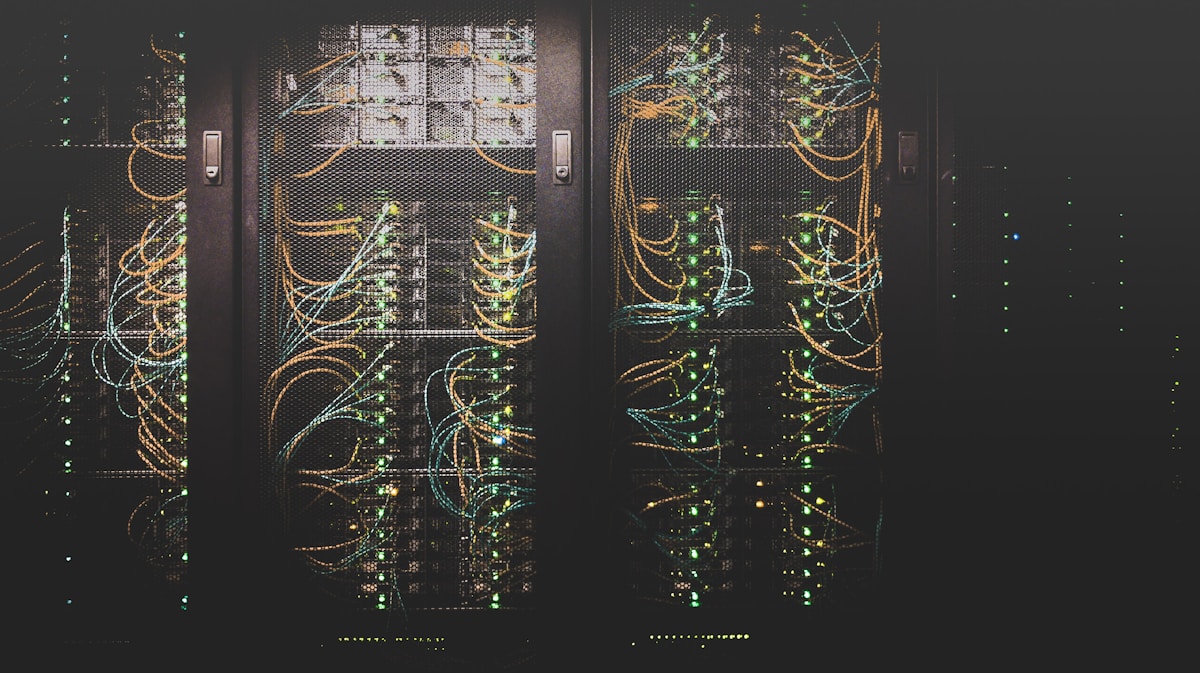
Image credit: Image: Unsplash
Predictive Customer Analytics: Overcoming Challenges with AI in 2026
In 2026, predictive customer analytics has evolved from a luxury to a strategic necessity. Companies that can anticipate consumer behavior, identify trends, and personalize offers are gaining a significant edge. However, this journey is not without its obstacles. The good news is that Artificial Intelligence (AI) is paving the way to overcome the most complex challenges.
Persistent Challenges in Customer Prediction
Even with technological advancements, organizations still grapple with data quality and integration. Fragmented, incomplete, or outdated data remains an Achilles' heel for any predictive model. Furthermore, data privacy, driven by regulations like GDPR and CCPA, demands ethical and transparent approaches. The scarcity of talent with data science and AI skills also represents a significant bottleneck, limiting companies' ability to build and maintain sophisticated models.
AI as a Catalyst for Solutions
AI, particularly Machine Learning (ML) and Deep Learning, is revolutionizing how we approach these challenges. Advanced AI-powered data cleansing and data enrichment tools can automatically identify and correct inconsistencies, unifying data from diverse sources—from CRM to social media interactions. Companies like Salesforce, with its Einstein platform, exemplify how AI can integrate and analyze vast amounts of data to predict churn or optimize marketing campaigns.
For the privacy issue, AI offers solutions such as differential privacy and federated learning. These techniques allow models to learn from sensitive data without exposing individual information, ensuring compliance and customer trust. Tech giants like Google already use similar approaches in their products, safeguarding user privacy while enhancing the user experience.
Automation and Democratization of Predictive Analytics
The advancement of MLOps (Machine Learning Operations) and AutoML (Automated Machine Learning) platforms is democratizing predictive analytics. These tools enable teams with less data science expertise to efficiently build, train, and deploy predictive models. This not only addresses the talent shortage but also accelerates time-to-value, allowing businesses to react more quickly to market changes. Platforms like DataRobot and H2O.ai are leaders in this space, providing intuitive interfaces and powerful AI algorithms.
Conclusion: The Future is Predicted and Personalized
Predictive customer analytics, powered by AI, is becoming more accessible, accurate, and ethical. By addressing data, privacy, and talent challenges with AI-driven solutions, companies can not only predict the future but actively shape it. The result is smarter marketing, personalized customer experiences, and ultimately, sustainable growth in an increasingly competitive market.
AI Pulse Editorial
Editorial team specialized in artificial intelligence and technology. AI Pulse is a publication dedicated to covering the latest news, trends, and analysis from the world of AI.

Comments (0)
Log in to comment
Log in to commentNo comments yet. Be the first to share your thoughts!