The Future of Retail: AI-Powered Inventory Management in 2026
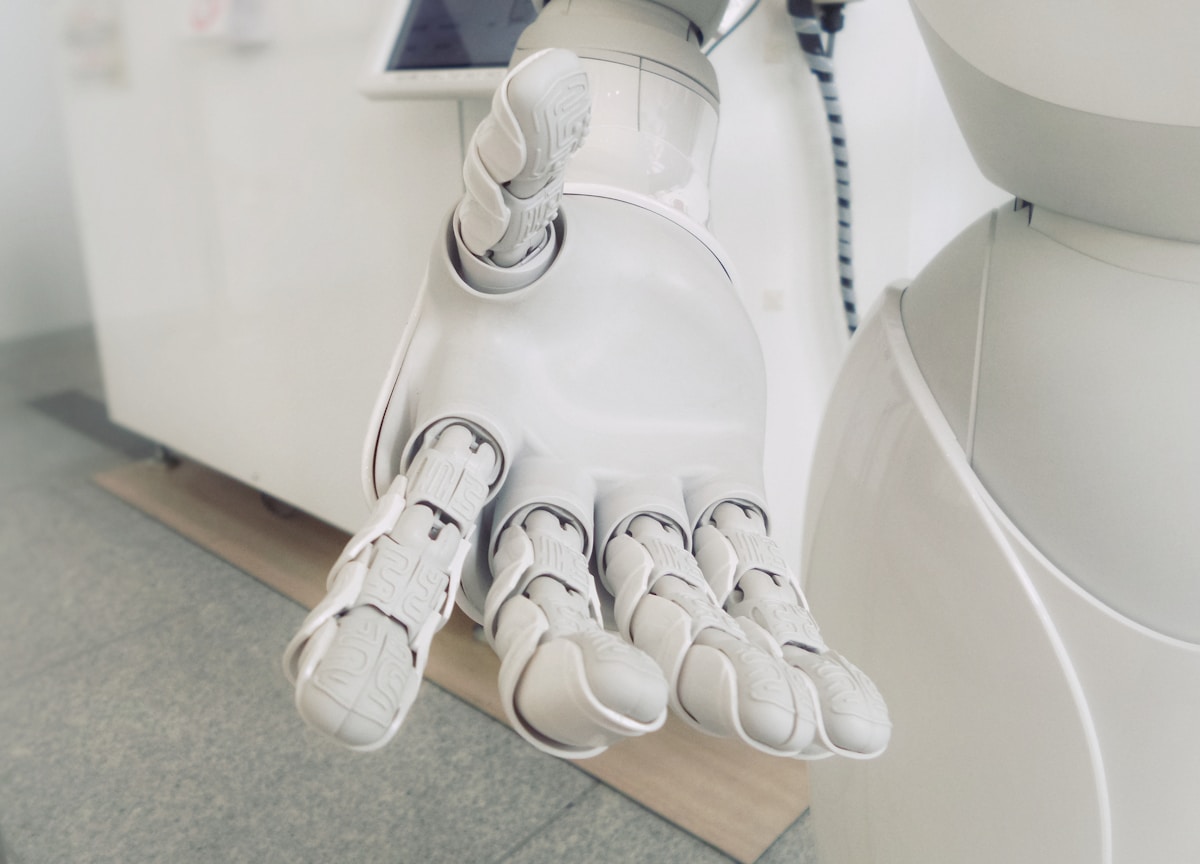
Image credit: Image: Unsplash
The Future of Retail: AI-Powered Inventory Management in 2026
Inventory management has always been a critical pillar for retail success. However, the complexity of modern supply chains and evolving consumer expectations demand more sophisticated approaches. In 2026, Artificial Intelligence (AI) is not just a trend but an operational necessity, radically transforming how retailers manage their stock.
Predictive Demand Forecasting and Procurement Optimization
One of AI's most significant contributions is its ability to forecast demand with unprecedented accuracy. Advanced algorithms analyze vast datasets—sales history, seasonal trends, promotional events, weather patterns, news, and even social media sentiment—to anticipate what consumers will want and when. Companies like Amazon and Walmart are pioneers, using machine learning models to adjust their stock levels in real-time. This minimizes both overstocking, which incurs storage costs and obsolescence risk, and stockouts, which result in lost sales and customer dissatisfaction. AI enables retailers to place smarter, more timely orders, optimizing working capital.
Real-Time Visibility and Warehouse Automation
AI, combined with technologies such as RFID, IoT, and computer vision, offers comprehensive inventory visibility across the entire supply chain. Smart sensors and AI-powered cameras monitor products from the warehouse to the store shelf, detecting discrepancies and anomalies. Autonomous robots, like those utilized by Ocado in the UK, are already optimizing product movement and organization in large distribution centers, reducing human error and accelerating order fulfillment. This automation not only increases efficiency but also frees up human employees for higher-value tasks, such as customer service.
Practical Strategies for AI Inventory Implementation
For retailers looking to integrate AI into their inventory management, several strategies are crucial:
- Start Small, Think Big: Begin with a pilot project focused on a specific product category or location. This allows for learning and adjustment before a full-scale rollout.
- Data Quality is Key: AI is only as good as the data feeding it. Invest in cleaning, integrating, and enriching your sales, supplier, and customer data.
- Human-AI Collaboration: AI should augment, not replace, human intelligence. Train your teams to interpret AI insights and make informed strategic decisions.
- Choose the Right Tools: Platforms like Blue Yonder, Relex Solutions, or cloud-based AI services such as Google Cloud AI/Azure AI offer robust solutions for inventory forecasting and optimization.
Conclusion
AI-driven inventory management is redefining agility and profitability in the retail sector. By embracing these technologies, retailers can not only meet the demands of the 2026 market but also anticipate the future, ensuring the right products are always in the right place at the right time. AI is not just a tool; it's a strategic partner for operational excellence.
AI Pulse Editorial
Editorial team specialized in artificial intelligence and technology. AI Pulse is a publication dedicated to covering the latest news, trends, and analysis from the world of AI.


Comments (0)
Log in to comment
Log in to commentNo comments yet. Be the first to share your thoughts!