AI and Employment: Practical Strategies to Thrive in the New Era
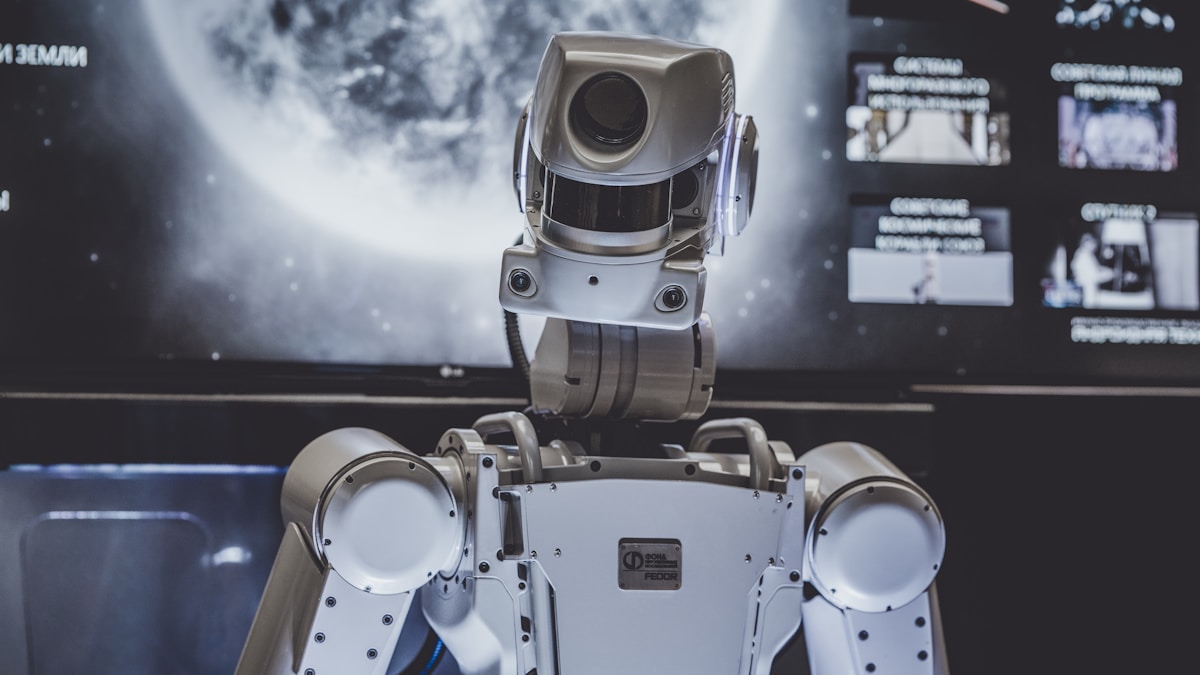
Image credit: Image: Unsplash
AI and Employment: Practical Strategies to Thrive in the New Era
Artificial intelligence (AI) continues to be a transformative force in the global job market in 2026. Far from being just a threat, AI is redefining roles, creating new industries, and demanding a fundamental re-evaluation of our skill sets. The question isn't whether AI will affect your job, but how you can adapt and thrive in this evolving landscape.
1. Cultivate Irreplaceable Human Skills
While AI excels at repetitive, data-driven tasks, uniquely human capabilities are becoming even more valuable. Focus on:
- Creativity and Innovation: The ability to generate novel ideas and original solutions, something AI can replicate but not autonomously conceive.
- Emotional Intelligence and Collaboration: Interpersonal skills, empathy, negotiation, and teamwork are crucial for leadership and complex human interaction.
- Critical Thinking and Complex Problem-Solving: AI can process data, but contextual analysis, ethical decision-making, and unstructured problem-solving remain human domains.
Companies like Google and Microsoft already prioritize these 'soft skills' in their hiring processes, recognizing their irreplaceable role.
2. Become an 'AI-Augmented' Professional
Instead of fearing AI, learn to leverage it as a tool to enhance your productivity and effectiveness. This means:
- Mastering AI Tools: Familiarize yourself with platforms like ChatGPT for text generation, Midjourney for image creation, or data automation tools such as Power Automate. Understand how they can streamline your workflow.
- Prompt Engineering: Learn how to formulate effective commands to get the best results from generative AIs. This is an emerging and highly valued skill.
- Automating Repetitive Tasks: Identify tasks in your routine that can be automated by AI, freeing up your time for more strategic and creative activities. For example, marketing professionals can use AI to generate content drafts, while analysts can automate data collection.
3. Embrace Continuous Adaptation and Lifelong Learning
The pace of technological change demands a commitment to continuous learning. What's relevant today might not be tomorrow.
- Courses and Certifications: Invest in online courses (Coursera, edX, Udemy) in areas like data science, machine learning, AI ethics, or programming. Many universities offer micro-credentials that validate new skills.
- Networking and Communities: Participate in professional communities, conferences, and workshops related to AI. Exchanging knowledge and experiences is vital for staying current.
- Practical Experimentation: Don't be afraid to experiment with new tools and technologies in personal or professional projects. Practice leads to proficiency.
Conclusion
AI is not the end of employment, but rather the beginning of a new era of work. Those who embrace change, develop skills complementary to AI, and commit to continuous learning will be best positioned to not only survive but thrive. The future of work is collaborative, with humans and AI working together to achieve unprecedented levels of productivity and innovation. The key is proactivity in your own upskilling and adaptation.
AI Pulse Editorial
Editorial team specialized in artificial intelligence and technology. AI Pulse is a publication dedicated to covering the latest news, trends, and analysis from the world of AI.


Comments (0)
Log in to comment
Log in to commentNo comments yet. Be the first to share your thoughts!