CES 2026: AI Dominates, But True Innovation Seeks Its Stage
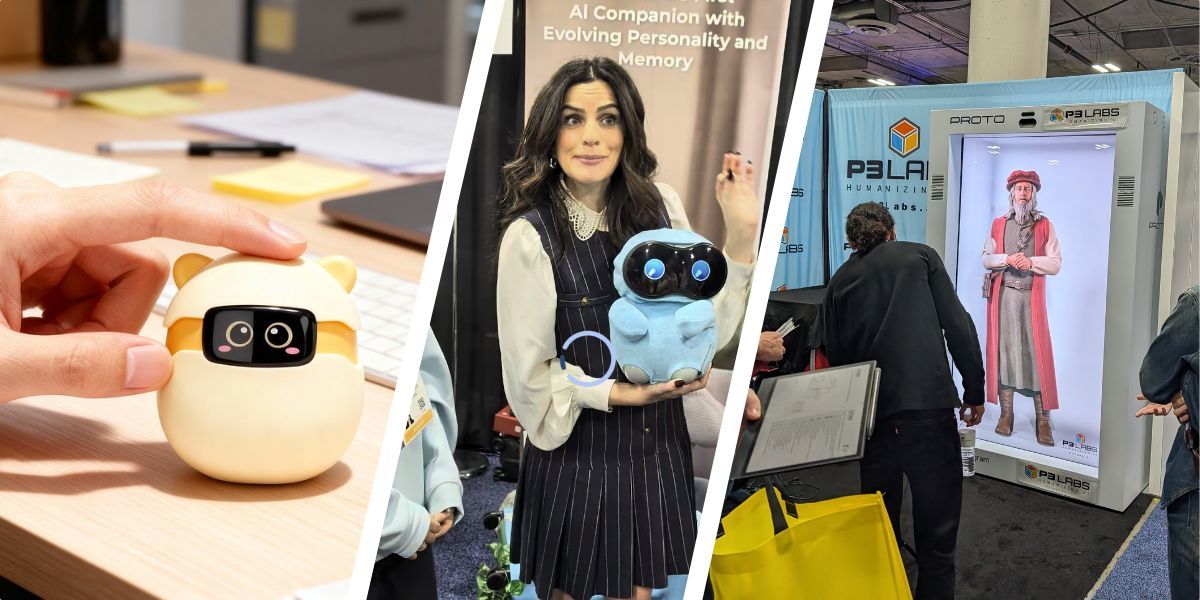
Image credit: Imagem: Sapo Tek
Las Vegas' Premier Tech Showcase
The Consumer Electronics Show (CES) 2026, held in Las Vegas, reaffirmed its role as one of the most significant events on the global technology calendar. With over 148,000 visitors, the fair served as a barometer for the trends shaping the near future, with artificial intelligence (AI) undeniably at the center of attention. Manufacturers from around the world converged to present their latest developments, from smart devices to enterprise solutions.
This year, CES highlighted the increasing ubiquity of AI, which is no longer just a niche technology but an integral component across almost all sectors. The show's organizers have already announced the dates for the next event, CES 2027, which will take place from January 7-10, 2027, maintaining the tradition of starting the year with a look into the technological future.
Artificial Intelligence in Focus: Between Genius and Novelty
From more sophisticated voice assistants to home appliances that learn habits, AI was the star of countless demonstrations. Companies like Samsung and LG showcased significant advancements in smart homes, where AI promises more fluid and intuitive device integration. The promise is a future where technology anticipates our needs, optimizing energy consumption and simplifying daily tasks. For a deeper dive into practical applications, explore our content on enterprise AI [blocked].
However, CES is also known for its vast array of inventions that, while innovative, don't always find a clear purpose or a mass market. Among the truly revolutionary AI solutions, there was also a profusion of "gadgets" and "gizmos" – devices with limited applications or that seem more like curiosities than necessities. This phenomenon raises questions about the sustainability and actual utility of some innovations presented, a challenge the tech industry constantly faces.
The Impact of AI on Daily Life and the Future of Innovation
The proliferation of AI-powered products and services at CES 2026 signals a fundamental shift in how we interact with technology. AI is becoming the backbone of many digital ecosystems, from optimizing autonomous vehicles, as demonstrated by automotive manufacturers participating in the fair, to personalizing entertainment experiences. To better understand the fundamentals of AI, IBM offers a comprehensive guide on the subject.
This omnipresence of AI, however, does not come without challenges. AI ethics, data privacy, and the need for regulation are increasingly urgent discussions. As technology advances, the responsibility to ensure it serves human well-being becomes paramount. The European Commission has been working on guidelines for responsible AI use, an indication of the seriousness with which the topic is treated globally.
Why It Matters
CES 2026 underscored that artificial intelligence is no longer a distant promise but a present reality, permeating almost every aspect of consumer and enterprise technology. The fair serves as a crucial barometer for future trends, highlighting the need to distinguish between disruptive innovations and mere novelties, and fueling the debate on the ethical and practical application of AI in our society. The event reinforces the importance of closely monitoring technological development to understand its impact on daily life and business.
This article was inspired by content originally published on Sapo Tek. AI Pulse rewrites and expands AI news with additional analysis and context.
AI Pulse Editorial
Editorial team specialized in artificial intelligence and technology. AI Pulse is a publication dedicated to covering the latest news, trends, and analysis from the world of AI.



Comments (0)
Log in to comment
Log in to commentNo comments yet. Be the first to share your thoughts!