Hyperscale Data Centers: AI's Powerhouses Under Global Scrutiny
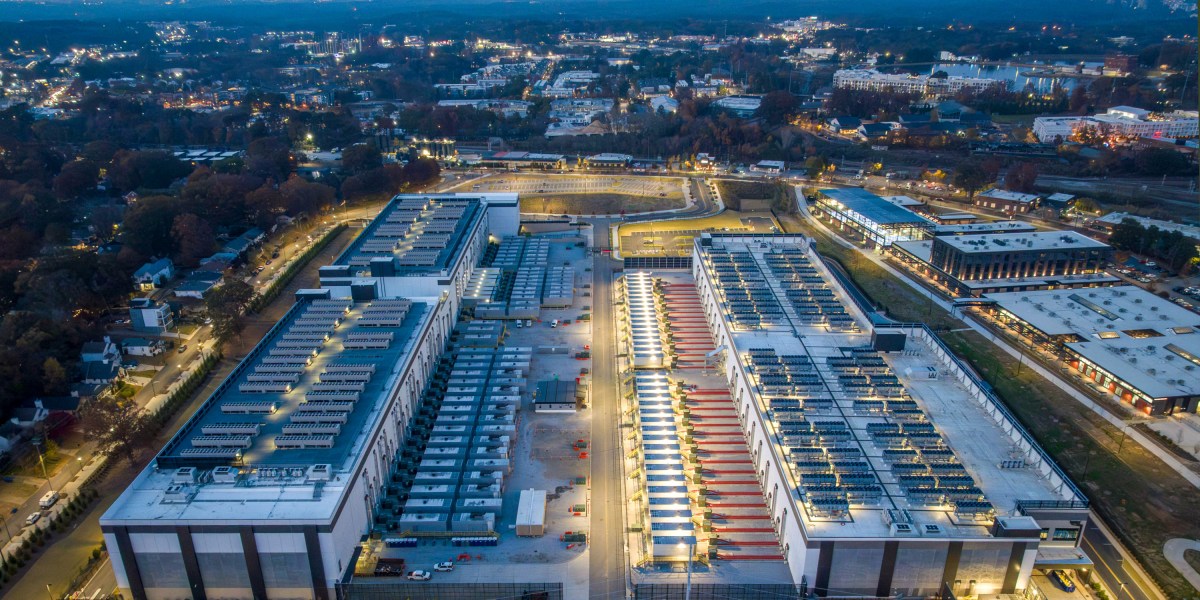
Image credit: Imagem: MIT Technology Review
The Rise of Digital Titans: The Heart of Modern AI
At the epicenter of the artificial intelligence revolution are hyperscale data centers, monumental structures housing the computational power required to train and operate advanced AI models. These facilities are not mere server warehouses; they are complex ecosystems, with thousands of specialized computer chips working in unison to process unimaginable volumes of data. Their scale is breathtaking, often covering millions of square feet and utilizing tons of construction materials, alongside hundreds of miles of cabling.
These digital giants represent the pinnacle of infrastructure engineering, designed for maximum efficiency and resilience. They form the backbone of everything from voice assistants and autonomous vehicles to scientific research and enterprise AI [blocked].
The Paradox of Innovation: Essential Yet Contested
While the importance of data centers for technological progress is undeniable, their proliferation and escalating resource demands have generated significant scrutiny. The primary criticism centers on their vast consumption of energy and water, as well as the carbon footprint associated with their construction and operation. Reports from the International Energy Agency (IEA) frequently highlight the increasing energy consumption by data centers, a challenge demanding innovative sustainability solutions.
With AI demand rising exponentially, the need for more and larger data centers is only set to grow. This presents a dilemma: how can we continue to drive AI innovation without compromising global sustainability goals? The pursuit of renewable energy sources and more efficient cooling systems has become a priority for operators like Google Cloud and Microsoft Azure, who invest heavily in greener infrastructures and regularly publish their sustainability reports. For instance, you can review Google's environmental report for insights into their efforts.
Innovation and Sustainability: The Path Forward
The data center industry is responding to these pressures with a wave of innovation. There's a growing focus on developing more efficient cooling technologies, such as direct-to-chip liquid cooling, which can drastically reduce water and energy usage. Furthermore, the strategic location of new data centers in regions with abundant renewable energy, like wind and solar, is an emerging trend. Companies like NVIDIA are also at the forefront of developing more energy-efficient hardware, which is crucial for reducing the load on infrastructure. Dive deeper into the latest AI research [blocked] to see how hardware efficiency is evolving.
The future of data centers will likely involve a combination of smarter design, sustainable material use, and deeper integration with renewable energy grids. Collaboration among governments, technology companies, and communities is vital to ensure that AI advancement is both sustainable and beneficial for all. For more details on industry standards and best practices, the Uptime Institute provides valuable resources and certifications.
Why It Matters
Hyperscale data centers are the invisible foundation of the artificial intelligence era, enabling breakthroughs across nearly every sector. However, their environmental impact and resource demands are critical challenges that society must address. Balancing the need for innovation with ecological responsibility is paramount to ensuring a sustainable technological future for everyone. How we approach the construction and operation of these digital giants will define the trajectory of AI and our planet.
This article was inspired by content originally published on MIT Technology Review by Mat Honan. AI Pulse rewrites and expands AI news with additional analysis and context.
AI Pulse Editorial
Editorial team specialized in artificial intelligence and technology. AI Pulse is a publication dedicated to covering the latest news, trends, and analysis from the world of AI.



Comments (0)
Log in to comment
Log in to commentNo comments yet. Be the first to share your thoughts!