OpenAI Bolsters ChatGPT Security with Yubico Hardware Keys
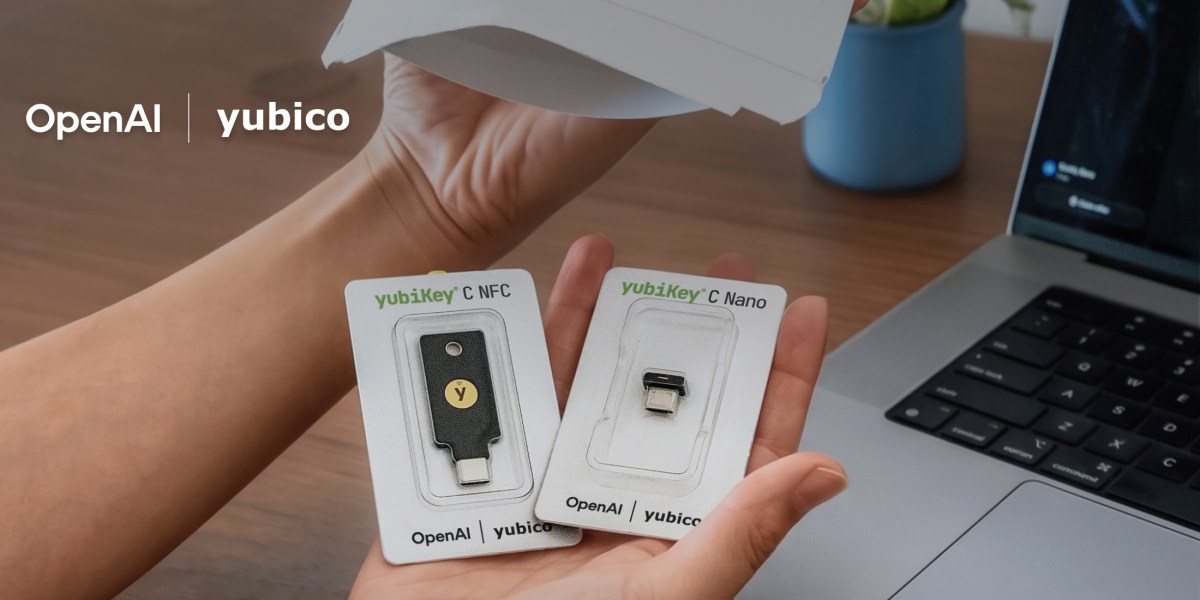
Image credit: Imagem: TechCrunch AI
The Evolving Landscape of AI Platform Security
As artificial intelligence becomes more deeply integrated into our digital lives, the security of user accounts is an undeniable priority. OpenAI, the creator of the popular ChatGPT, is addressing this need by introducing robust new protection measures. These enhancements aim to safeguard user data and interactions against increasingly sophisticated cyber threats.
Historically, online account security has evolved from simple passwords to software-based two-factor authentication (2FA). Now, the trend is moving towards more phishing-resistant methods, such as physical security keys, which OpenAI is now embracing.
Strategic Partnership with Yubico for Hardware Security Keys
A cornerstone of this new security strategy is OpenAI's partnership with Yubico, a global leader in hardware security keys. This collaboration will enable ChatGPT users to activate two-factor authentication (2FA) using physical security keys, such as YubiKeys. These keys offer a superior level of protection compared to app-based or SMS 2FA codes, which are more susceptible to phishing attacks and interception.
By requiring a physical device to verify a user's identity, hardware security keys create a nearly impenetrable barrier against unauthorized access. This measure is particularly relevant for enterprise users and those handling sensitive information, where account integrity is crucial. More details on Yubico's technology can be found on their official website.
Implementing Advanced, Opt-in Protections
OpenAI's new security features are not limited solely to the Yubico partnership. The company is introducing a suite of additional protections that users can choose to enable. This includes options to manage active sessions and review login history, offering greater transparency and control over account activity. These tools empower users to quickly identify any suspicious activity and take corrective action.
This opt-in approach reflects a commitment to giving users the flexibility to choose the security level that best suits their needs, without imposing unnecessary barriers for those who prefer a more streamlined experience. For an in-depth look at OpenAI's security guidelines, refer to their official documentation.
Implications for the Future of AI Security
OpenAI's decision to invest heavily in advanced security sets an important precedent for the entire AI industry. As language models become more powerful and their applications more critical, protecting user accounts and associated data is paramount. This initiative not only protects individual users but also reinforces trust in AI technology as a whole.
Companies leveraging AI in their operations, especially those exploring enterprise AI [blocked] solutions, should view this move as an indicator of the growing importance of cybersecurity within the AI ecosystem. The adoption of physical security keys could become an industry standard, mitigating risks associated with compromised credentials and social engineering attacks. For further insights into cybersecurity trends in AI, consider exploring resources from institutions like MIT Technology Review.
Why It Matters
OpenAI's new security measures for ChatGPT are crucial because they raise the bar for protection on one of the most widely used AI platforms globally. By integrating hardware security keys, the company not only safeguards user data against advanced cyber threats but also sets a precedent for the industry, ensuring greater trust and resilience in the age of artificial intelligence.
This article was inspired by content originally published on TechCrunch AI by Lucas Ropek. AI Pulse rewrites and expands AI news with additional analysis and context.
AI Pulse Editorial
Editorial team specialized in artificial intelligence and technology. AI Pulse is a publication dedicated to covering the latest news, trends, and analysis from the world of AI.



Comments (0)
Log in to comment
Log in to commentNo comments yet. Be the first to share your thoughts!