Smart Automation: Best Practices with AI Assistants
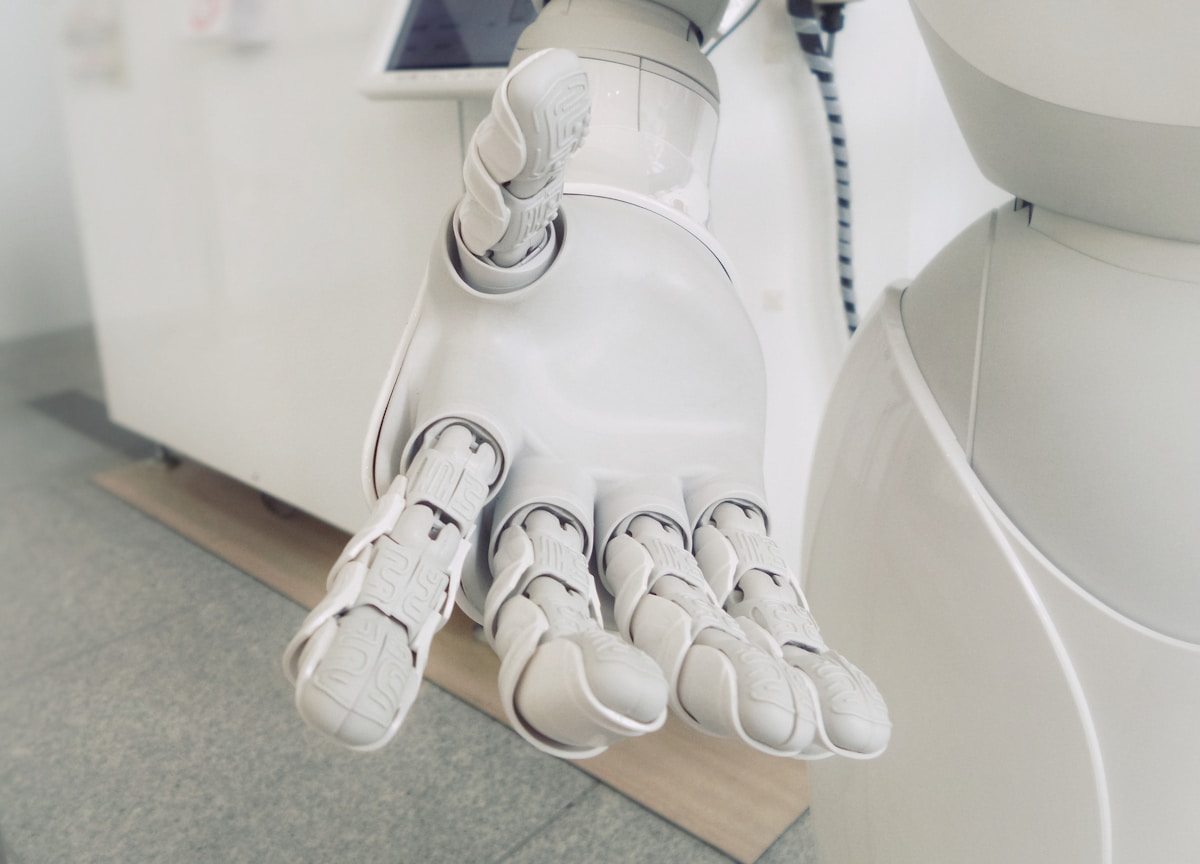
Image credit: Image: Unsplash
Smart Automation: Best Practices with AI Assistants
Artificial intelligence is rapidly redefining how we work, transforming repetitive tasks into efficient, automated processes. As of May 2026, AI assistants like ChatGPT, Microsoft's Copilot, and specialized automation tools such as Zapier with AI capabilities, are more accessible and powerful than ever. But how can we leverage these tools to their fullest potential? The key lies in adhering to best practices for smart, effective automation.
1. Identify the Right Tasks for Automation
Not every task is a candidate for automation. Start by identifying processes that are repetitive, rule-based, and consume significant time. Examples include: email triage, meeting scheduling, data entry, basic report generation, or responding to frequently asked questions. Tools like Microsoft Power Automate or Google Apps Script can help map these workflows and pinpoint bottlenecks.
2. Start Small, Scale Gradually
Resist the urge to automate everything at once. Begin with a simple pilot project to build confidence and understand the nuances of the AI tool. For instance, use Copilot to summarize long email threads or ChatGPT to draft communications. Once the initial process is stable and optimized, you can expand to more complex tasks, such as integrating data between systems using APIs and AI assistants.
3. Ensure Data Quality and Security
The effectiveness of AI automation directly depends on the quality of the data feeding it. Inconsistent or incorrect data will lead to flawed outcomes. Implement data validation routines and ensure all sensitive information is handled with security and privacy, especially when using assistants that access confidential data. Companies like OpenAI and Google have invested heavily in security and privacy, but the ultimate responsibility for configuration and usage lies with the user.
4. Monitor and Continuously Optimize
Automation isn't a set-it-and-forget-it process. Regularly monitor the performance of your AI assistants. Are they achieving the desired outcomes? Are there errors or inefficiencies? Use analytics provided by platforms like Zapier or custom dashboards to track key metrics. As your needs evolve and AI capabilities advance, be prepared to refine your automated workflows. Continuous optimization ensures your AI assistants remain efficient and aligned with your organizational goals.
Conclusão
A automação de tarefas com assistentes de IA oferece um potencial imenso para aumentar a produtividade e a inovação. Ao adotar uma abordagem estratégica – identificando as tarefas certas, começando pequeno, garantindo a qualidade dos dados e monitorando continuamente – você pode construir um ecossistema de automação robusto e escalável. O futuro do trabalho é colaborativo, com humanos e IA trabalhando lado a lado para alcançar novos patamares de eficiência. Comece hoje a sua jornada de automação inteligente!
Conclusion
Task automation with AI assistants offers immense potential to boost productivity and foster innovation. By adopting a strategic approach – identifying the right tasks, starting small, ensuring data quality, and continuously monitoring – you can build a robust and scalable automation ecosystem. The future of work is collaborative, with humans and AI working side-by-side to achieve new heights of efficiency. Start your smart automation journey today!
AI Pulse Editorial
Editorial team specialized in artificial intelligence and technology. AI Pulse is a publication dedicated to covering the latest news, trends, and analysis from the world of AI.