Amazon Acquires Bee: The Future of AI Wearables and Alexa Integration
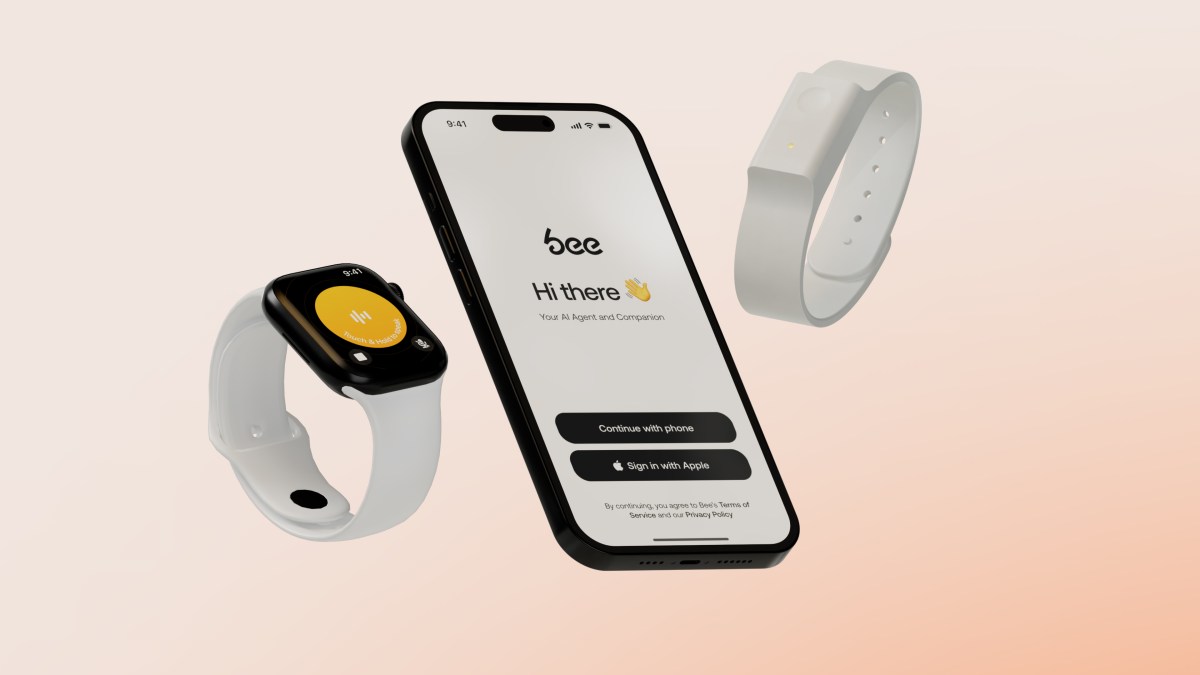
Image credit: Imagem: TechCrunch AI
Amazon Bets Big on AI Hardware with Bee Acquisition
Amazon, the e-commerce and technology giant, is doubling down on the artificial intelligence market with the strategic acquisition of Bee, an innovative startup focused on AI wearable devices. This move underscores the increasing importance of dedicated AI hardware and Amazon's desire to remain at the forefront of human-machine interaction.
The transaction, whose financial details have not been fully disclosed, positions Amazon to explore new frontiers in personal assistants and ubiquitous computing, complementing its already robust line of Echo devices and the Alexa voice assistant. Bee, known for its discreet, user-centric approach to AI wearables, could offer Amazon a significant competitive edge.
Bee's Role in the Alexa Ecosystem
The primary question arising from this acquisition is how the Bee device will fit into Amazon's vast network of products and services, especially concerning Alexa. Sources close to the company suggest that Bee's technology will not only complement but could deeply merge with Alexa's capabilities, enabling more fluid and contextualized interaction.
Imagine an AI assistant that isn't confined to a smart speaker or smartphone but is always present, discreetly understanding the environment and user needs in real-time. This is the potential Bee brings to Amazon, offering a new layer of convenience and personalization. For more insights into Amazon's future vision, one can refer to the official Amazon website.
Implications for the Wearables Market and Personal AI
Amazon's aggressive entry into the AI wearables space via Bee has significant implications for the entire industry. Competitors like Apple, Google, and Meta are already heavily investing in their own hardware and AI ecosystems, and Amazon's move intensifies this race.
The acquisition could accelerate the development of devices that go beyond smartwatches and smart glasses, focusing on more natural and less intrusive ways of interacting with artificial intelligence. This represents a leap forward in how people engage with technology daily, transforming computing from something you use to something you live with. The integration of AI into wearable devices is a growing topic in AI news outlets, and Amazon is clearly looking to lead this innovation.
Future Challenges and Opportunities
While the acquisition of Bee opens up a range of opportunities for Amazon, it also presents challenges. Data privacy, consumer acceptance of new wearable form factors, and the complexity of integrating advanced AI technologies into compact devices are just some of the hurdles to overcome. However, Amazon's track record in scaling technologies and innovating in consumer hardware suggests they are well-positioned to tackle these obstacles.
The success of Bee under Amazon's wing will depend on its ability to deliver a truly differentiated user experience and solve real problems effectively. The bet is that the combination of Bee's expertise in AI hardware with Amazon's processing power and cloud infrastructure (AWS) will result in products that redefine personal computing. To learn more about AI wearables and their applications, check out this research from Stanford University.
Why It Matters
Amazon's acquisition of Bee is not just a technology purchase; it's a clear indicator of the future direction of human-AI interaction. It signals a shift towards more ubiquitous and contextual AI experiences, where technology integrates more naturally into daily life, redefining personal computing and the role of voice assistants. This move could shape the next generation of smart devices and how we interact with artificial intelligence. To explore more about how AI is transforming various industries, visit our section on AI tools [blocked].
This article was inspired by content originally published on TechCrunch AI by Sarah Perez. AI Pulse rewrites and expands AI news with additional analysis and context.
AI Pulse Editorial
Editorial team specialized in artificial intelligence and technology. AI Pulse is a publication dedicated to covering the latest news, trends, and analysis from the world of AI.


Comments (0)
Log in to comment
Log in to commentNo comments yet. Be the first to share your thoughts!