Amazon Positions Alexa for Generative AI Era Across 97% of Devices
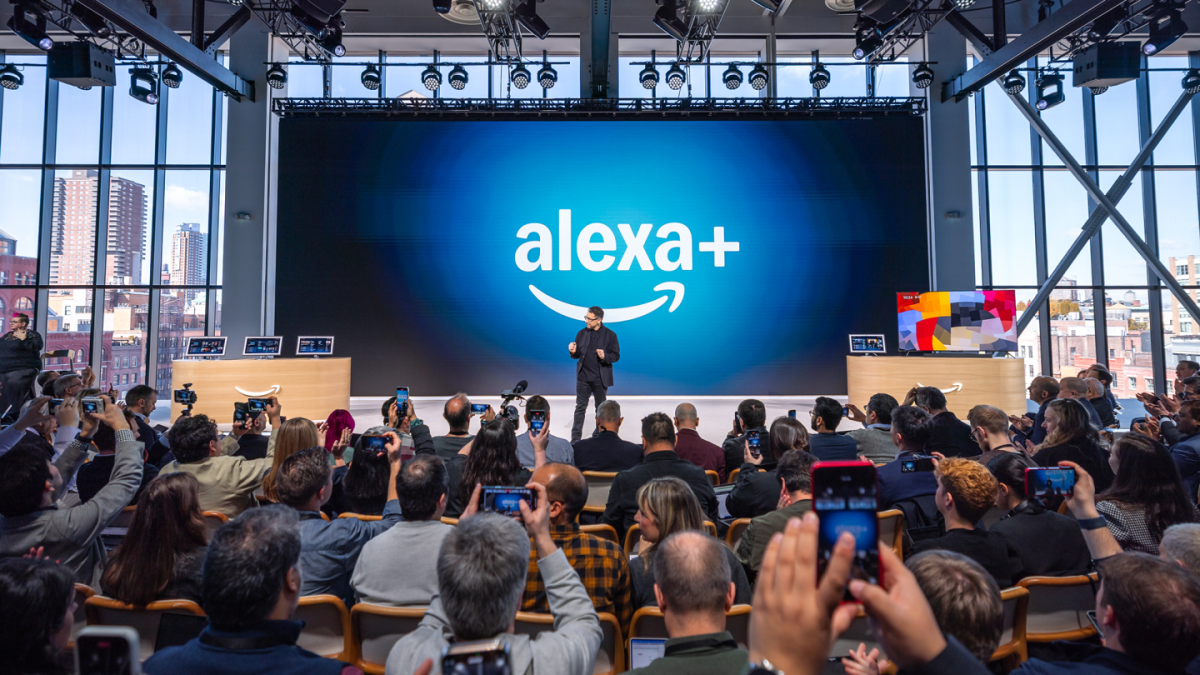
Image credit: Imagem: TechCrunch AI
Amazon's Strategic Play for the New AI Era
Amazon is redefining the role of its virtual assistant, Alexa, in a strategic move to firmly position itself at the forefront of generative artificial intelligence. The e-commerce giant has revealed that an overwhelming majority of its devices, approximately 97%, already possess the capability to support Alexa's enhanced functionalities, powered by more advanced AI models.
This initiative represents a concentrated effort to revitalize the user experience with Alexa, which, while widely adopted, has faced criticism for its limited capabilities compared to recent innovations in conversational AI. The company aims to transform Alexa from a mere command-driven assistant into an intelligent, proactive co-pilot.
The Promise of Generative AI-Powered Alexa
The transition to a generative AI-powered Alexa promises a more fluid and contextual interaction. Instead of scripted responses and specific commands, users can expect more natural conversations, nuanced understanding, and the ability to perform more complex tasks. This ranges from content creation to managing home routines more intuitively.
Amazon has been heavily investing in AI research and development, as evidenced by its contributions to the AI community and the evolution of its own language models. Integrating these advancements into Alexa is a natural step to maintain relevance in an increasingly competitive market, where companies like Google and OpenAI are rapidly innovating.
Challenges and Opportunities in the Consumer Market
While 97% device compatibility is a significant advantage, the challenge lies in convincing users to adopt and integrate these new capabilities into their daily lives. Amazon will need to demonstrate clear and tangible value for the new Alexa to stand out. The company has a vast ecosystem of devices, from Echo Dots to Fire TVs, all of which can benefit from this upgrade, creating an interconnected network of artificial intelligence.
This move could also boost the enterprise AI [blocked] market, as innovations in consumer AI often find applications in corporate environments, especially in automation and customer service. The ability to process natural language more sophisticatedly is a valuable asset across many sectors.
Why It Matters
This move by Amazon is crucial for the future of human-computer interaction and for the company's standing in the global tech landscape. By enabling generative AI across nearly all its devices, Amazon not only revitalizes Alexa but also sets a new standard for virtual assistants, promising more personalized and intelligent experiences for millions of users. It's a fundamental step in democratizing advanced AI, making it accessible in everyday life.
The Impact on the Connected Device Ecosystem
Alexa's widespread generative AI compatibility has profound implications for the smart home and connected device ecosystem. The ability for such a large number of existing devices to support these new functionalities means users won't necessarily need to purchase new hardware to experience the advancements. This can accelerate AI adoption and integration in homes and offices, allowing Alexa to act as an even more centralized intelligence hub.
Furthermore, Amazon can leverage its vast user base and the infrastructure of its cloud platform, Amazon Web Services (AWS), to rapidly scale these new capabilities. The company has a history of innovation in both hardware and software, and the deep integration of generative AI into Alexa is a testament to its ongoing commitment to evolving the user experience. For more insights into how AI is shaping the future, you can compare AI tools [blocked] available on the market.
The Competition in Conversational AI Landscape
The race for leadership in conversational AI is intensifying, with giants like Google, Microsoft, and Apple also heavily investing in their own assistants and language models. Amazon's decision to focus on backward compatibility with its existing devices is a smart tactic to keep its user base engaged and prevent fragmentation. The company aims to offer a unified and powerful experience that can compete with the latest offerings from its rivals. The ability to understand and generate human-like language is the holy grail of conversational AI, and Amazon is clearly investing to achieve it, as detailed in their product and service announcements. This move isn't just about Alexa; it's about the future of interaction with technology. As generative AI becomes more sophisticated, the line between science fiction and reality becomes increasingly blurred, and Amazon is determined to be a driving force in this transformation.
This article was inspired by content originally published on TechCrunch AI by Sarah Perez. AI Pulse rewrites and expands AI news with additional analysis and context.
AI Pulse Editorial
Editorial team specialized in artificial intelligence and technology. AI Pulse is a publication dedicated to covering the latest news, trends, and analysis from the world of AI.



Comments (0)
Log in to comment
Log in to commentNo comments yet. Be the first to share your thoughts!