Android Auto Users Frustrated as Gemini Focus Impacts Google Assistant
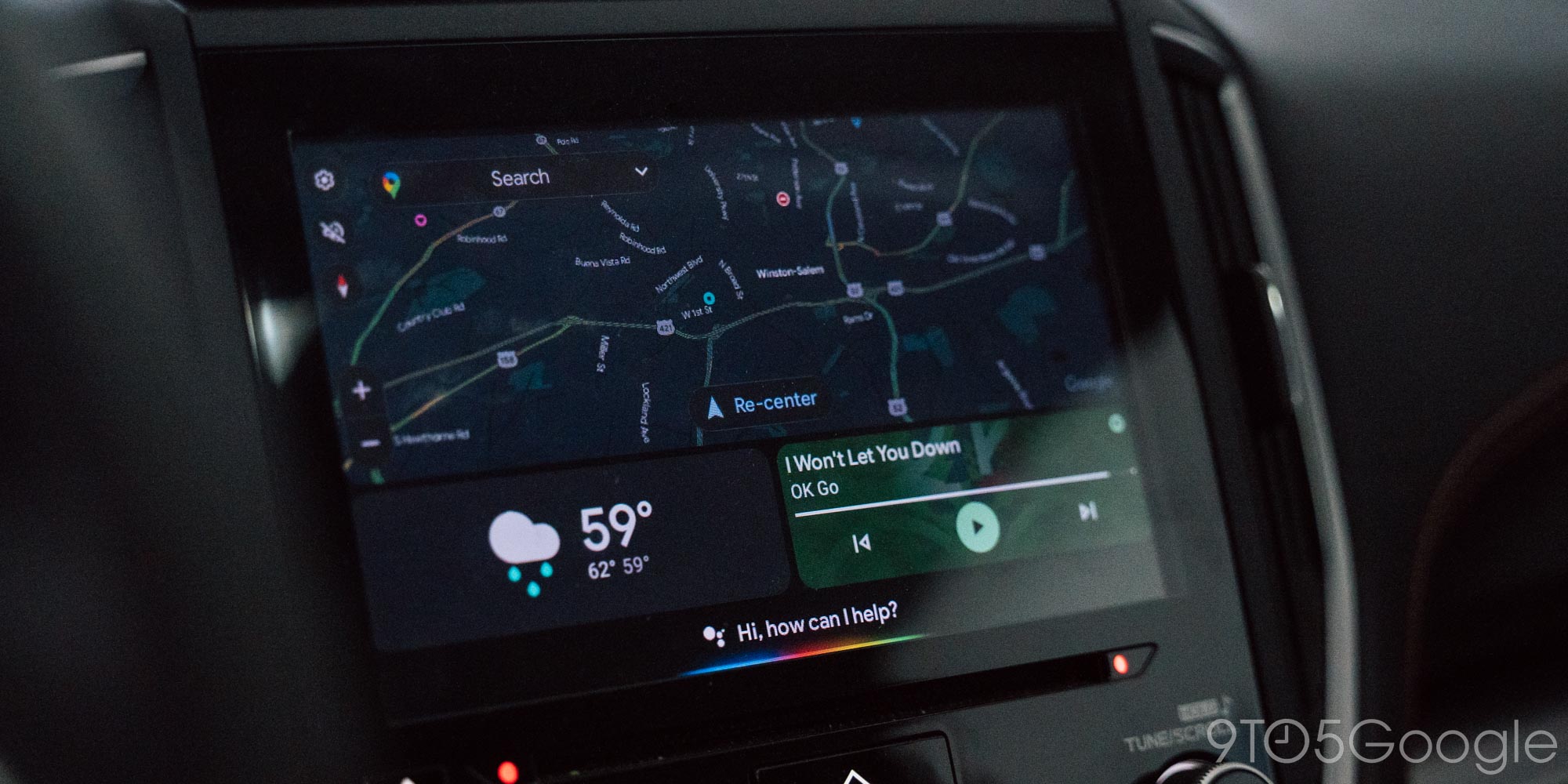
Image credit: Imagem: 9to5Google
The Crumbling In-Car Assistant Experience
Google Assistant, once a robust tool for voice interaction across various devices, appears to be facing a notable decline in its functionality, particularly for Android Auto users. Growing reports indicate that the assistant's performance in the automotive environment has deteriorated, leading to widespread frustration among drivers.
This situation arises as Google directs a significant portion of its resources and efforts towards the development and deployment of its new family of AI models, Gemini. The transition and reallocation of priorities seem to have relegated the Assistant to the background, directly impacting service quality.
The Impact of the Gemini Transition
Google has been heavily investing in Gemini, its latest and most advanced family of artificial intelligence models, designed to be multimodal and more capable than its predecessors. The company has positioned Gemini as the future of Google AI, integrating it into products like Bard (now also called Gemini) and promising a more cohesive and powerful user experience.
However, this transition has not been without its challenges. While Google strives to implement Gemini across its ecosystem, Google Assistant, which relies on continuous infrastructure and maintenance, appears to be suffering. Android Auto users report failures in understanding commands, slow responses, and even the inability to perform basic tasks that were once routine. The experience of having a reliable in-car voice assistant, essential for safety and convenience, is being compromised.
Integration and Maintenance Challenges
Migrating AI technologies on a scale as massive as Google's is a complex undertaking. Maintaining the stability and performance of legacy systems while developing and deploying new solutions requires a delicate balance of resources. The apparent neglect of Google Assistant in Android Auto may be a symptom of this complexity, where the prioritization of the future overshadows the maintenance of the present.
Companies heavily reliant on enterprise AI [blocked] frequently face the challenge of updating their infrastructures without disrupting existing services. Google, with its vast array of products, is no exception. The expectation is that Gemini will eventually replace or enhance the Assistant, but the transition period is proving problematic for end-users.
Analysis and Future Outlook
For Android Auto users, the current situation is more than a mere inconvenience; it's a matter of core functionality. The reliance on voice commands for navigation, calls, and media control is critical for a safe and distraction-free driving experience. A voice assistant that fails to deliver on its promises can lead users to seek alternatives or distrust embedded technology.
Google, in turn, is under pressure to address these issues. The reputation of its AI products is at stake, and user frustration could have long-term implications for the adoption of new technologies. It is likely that the company is working to integrate Gemini more robustly and efficiently into Android Auto, but communication and managing user expectations are crucial during this period of change. The future of in-car voice interaction will depend on Google's ability to deliver a reliable and advanced experience, as detailed in their responsible AI principles.
Why It Matters
This situation is a critical reminder that innovation, while essential, should not compromise existing functionality. For millions of drivers, Google Assistant in Android Auto is a daily tool for safety and convenience. The degradation of such a fundamental service highlights the challenges of large-scale technological transitions and the importance of maintaining product quality while pursuing progress. User trust is a valuable asset that can be easily eroded by performance failures. It is crucial that Google addresses these concerns to retain the loyalty of its user base and ensure a smooth transition to Gemini's capabilities. The development of AI tools [blocked] must always consider the end-user experience.
This article was inspired by content originally published on 9to5Google by Ben Schoon. AI Pulse rewrites and expands AI news with additional analysis and context.
AI Pulse Editorial
Editorial team specialized in artificial intelligence and technology. AI Pulse is a publication dedicated to covering the latest news, trends, and analysis from the world of AI.


Comments (0)
Log in to comment
Log in to commentNo comments yet. Be the first to share your thoughts!