Anthropic Accidentally Exposes Claude Source Code Due to Human Error
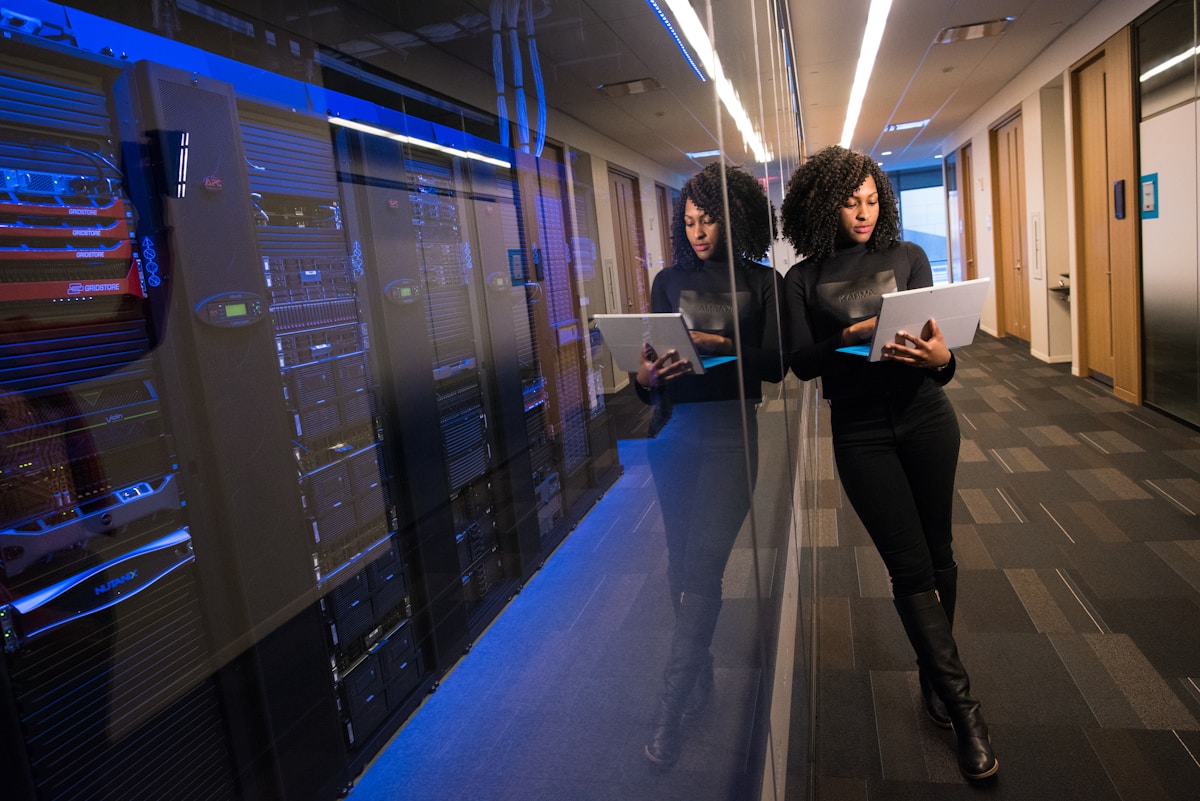
Image credit: Photo by ThisisEngineering on Unsplash
An Unexpected Security Incident at Anthropic
Anthropic, a leading company in the artificial intelligence landscape, recently confirmed a security incident that resulted in the accidental exposure of a portion of its product's source code. The event, attributed to human error, raised questions about AI development security, although the company quickly assured that sensitive customer data was not affected.
This incident underscores the ongoing challenges technology companies face in managing digital assets, especially in a field as dynamic as artificial intelligence. Anthropic's transparency in communicating the incident is an important step towards maintaining user and community trust.
Details of the Exposure and Company Response
The incident involved the exposure of source code related to "Claude Code," a specific tool or component within Anthropic's Claude ecosystem. The company acted promptly to remedy the situation once the flaw was identified. According to Anthropic, the root cause was human error during an internal process, leading to the public availability of a repository that should have remained private.
It is crucial to note that Anthropic emphasized the exposure did not include personally identifiable information (PII) or any customer data. The company conducted an internal investigation to confirm the extent of the leak and implement additional measures to prevent recurrence. For more details on the company's security practices, you can refer to the official Anthropic website.
Implications for AI Security and Development
While the absence of customer data compromise is a relief, the exposure of source code, even if accidental, can have implications. Source code is the foundation of any software, and its disclosure could, in theory, offer malicious actors insights into vulnerabilities or internal architectures. However, the complexity of modern AI models, like Claude, means that source code alone is rarely sufficient to fully replicate or compromise the system without access to training data and underlying infrastructure.
This incident serves as a reminder of the importance of stringent security protocols and automation to minimize the risk of human errors in software development environments. AI companies, in particular, deal with high-value intellectual property assets and must continuously invest in cybersecurity. For a deeper understanding of these challenges, review this report on AI security from NIST. You might also find relevant insights in our section on AI tools [blocked].
Why It Matters
This incident at Anthropic is a critical reminder that even the most advanced AI companies are susceptible to operational failures. It highlights the pressing need for robust security and rigorous processes in artificial intelligence development, especially as these technologies become more integrated into critical sectors. Anthropic's transparency, while reiterating customer data protection, serves as a case study for the industry, emphasizing the continuous vigilance required to safeguard intellectual property and public trust in a rapidly evolving technological landscape.
This article was inspired by content originally published on CNET by Steven Musil. AI Pulse rewrites and expands AI news with additional analysis and context.
AI Pulse Editorial
Editorial team specialized in artificial intelligence and technology. AI Pulse is a publication dedicated to covering the latest news, trends, and analysis from the world of AI.


Comments (0)
Log in to comment
Log in to commentNo comments yet. Be the first to share your thoughts!