Computer Vision: Future Horizons and Next Frontiers

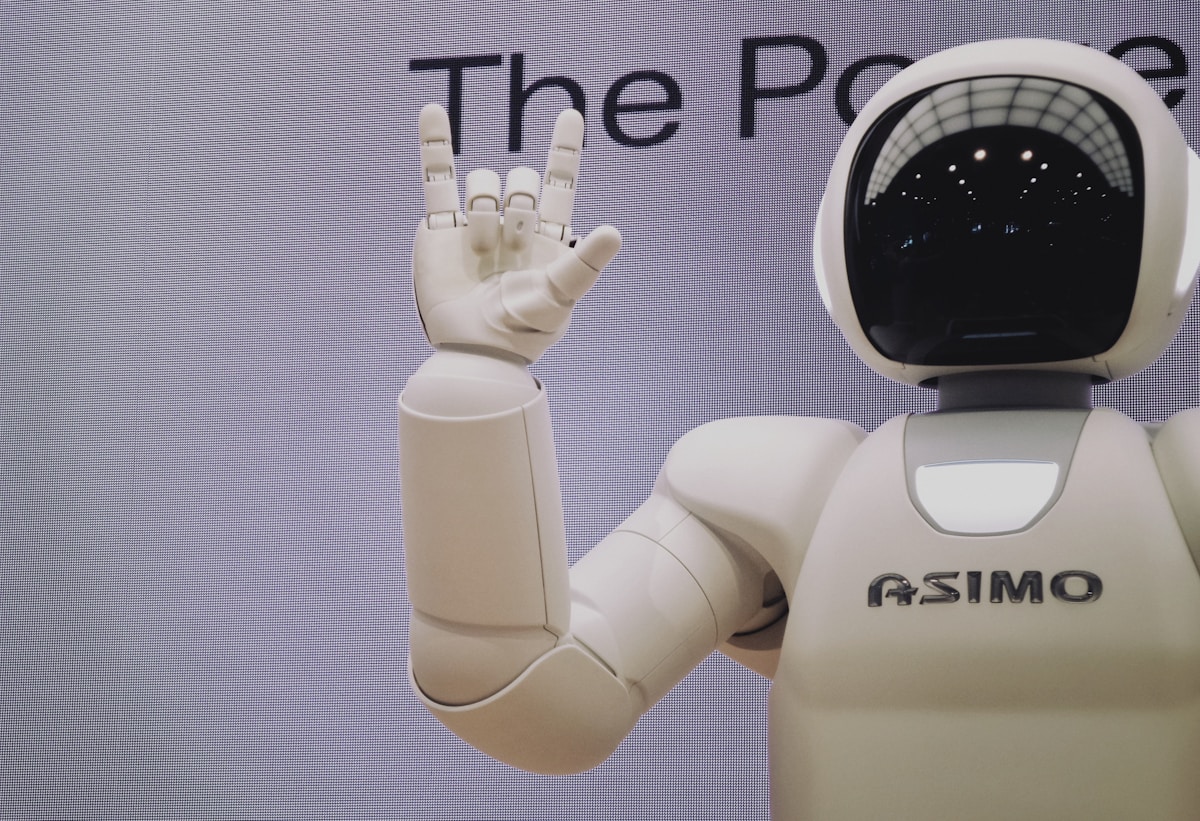
Image credit: Image: Unsplash
Computer Vision: Future Horizons and Next Frontiers
From its inception, computer vision (CV) has evolved from an academic curiosity into a fundamental pillar of artificial intelligence, driving innovations across sectors from healthcare to autonomous driving. As of January 2026, we stand at an inflection point, where machine perception capabilities are reaching levels of sophistication unimaginable a decade ago. This era is defined by the fusion of data, the optimization of models, and the pursuit of more contextual and adaptive visual intelligence.
The Rise of Multimodal and Generative Models
One of the most impactful trends is the consolidation of multimodal models. This is no longer just about analyzing images but integrating video, audio, text, and sensory data to build a holistic understanding of the environment. Companies like Google DeepMind and OpenAI have pioneered the development of models that can generate images from text (such as DALL-E 3) or describe complex scenes with nuance, like Gemini. The future will see these models transcend mere description to event prediction and proactive interaction, enabling smarter security systems or augmented reality assistants that comprehend the user's full context.
3D Vision and Immersive Content Generation
The ability to reconstruct and understand the world in three dimensions is becoming increasingly sophisticated. Techniques like Neural Radiance Fields (NeRFs) and 3D Gaussian Splatting, which enable the creation of photorealistic 3D scenes from a few 2D images, are revolutionizing content creation for the metaverse, gaming, and simulations. We predict that, in the coming years, real-time 3D capture and virtual environment generation will become ubiquitous, democratizing the creation of immersive experiences. Practical applications include automated industrial inspection with high-precision 3D models and the creation of digital twins for urban planning or predictive maintenance.
Edge Computer Vision and Energy Efficiency
As CV becomes more pervasive, the need for efficient processing at the edge is critical. Advances in hardware, such as NVIDIA's AI accelerators (e.g., the Jetson series) and custom chips from Apple and Google, are enabling complex models to run directly on devices, reducing latency and cloud dependency. Research into lightweight and energy-efficient CV models, such as sparse and quantized neural networks, is fundamental for applications in IoT, drones, and wearables. Neuromorphic vision, inspired by the human brain, also promises unprecedented energy efficiency, though it is still in early research phases.
Ethical and Reliability Challenges
With the increasing power of CV come ethical and reliability challenges. Bias in training data can lead to unfair or discriminatory systems, a problem actively addressed by initiatives like the Partnership on AI. Explainability (XAI) and robustness against adversarial attacks are crucial research areas to ensure that CV systems not only perform well but are also transparent, fair, and secure. Regulation, such as the European Union's AI Act, will begin to shape how these technologies are developed and deployed, demanding greater accountability from creators.
Conclusion and Future Outlook
The future of computer vision is dynamic and multifaceted. We are witnessing a transition from systems that merely see to systems that understand, reason, and intelligently interact with the world. The next frontiers include computer vision for autonomous robotics, where real-time perception and decision-making are paramount, and integration with general artificial intelligence (AGI), where vision will be a foundational sense for world comprehension. For researchers and practitioners, the focus must remain on responsible innovation, ensuring these powerful tools serve human well-being and sustainable progress. Interdisciplinary collaboration and attention to ethical considerations will be as vital as algorithmic advancements in shaping the future of computer vision.
AI Pulse Editorial
Editorial team specialized in artificial intelligence and technology. AI Pulse is a publication dedicated to covering the latest news, trends, and analysis from the world of AI.


Comments (0)
Log in to comment
Log in to commentNo comments yet. Be the first to share your thoughts!