Cristiano Ronaldo Deepfake at Pro-Palestine Protest Highlights AI Risks
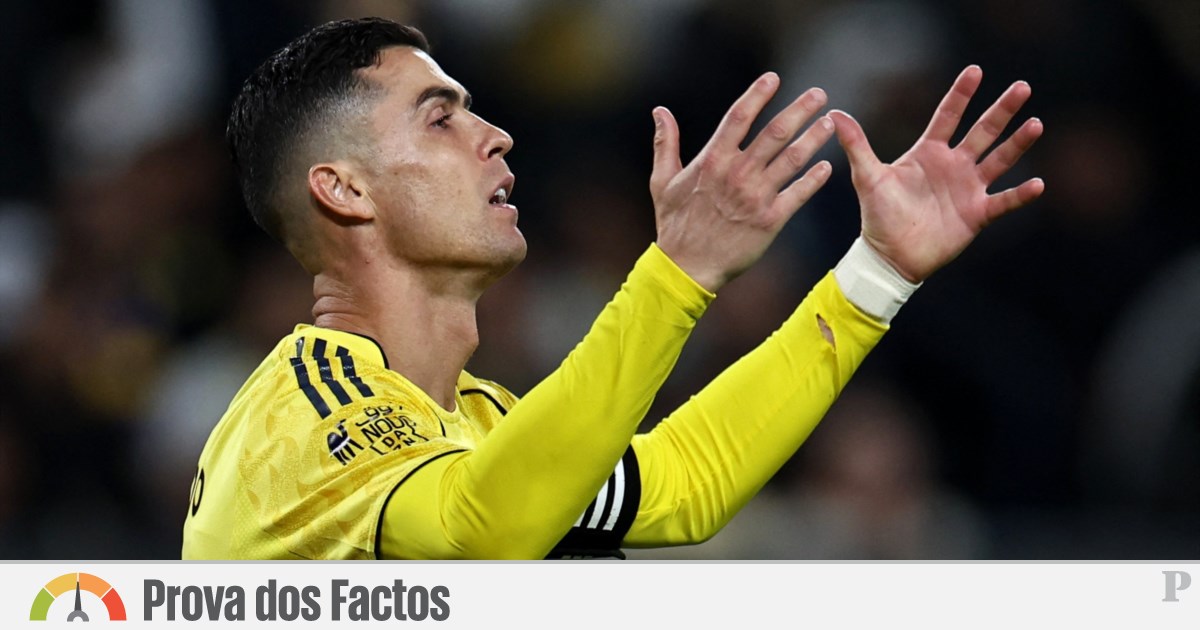
Image credit: Imagem: Público - Tecnologia
The Rise of Deepfakes and Disinformation
Recently, a video purportedly showing football icon Cristiano Ronaldo at a pro-Palestine protest, holding a flag and being confronted by police, circulated widely on social media. The footage, which quickly went viral, sparked intense discussions and speculation about the athlete's political stance. However, subsequent analysis confirmed that the content was, in fact, a sophisticated deepfake, created using artificial intelligence.
This incident is not an isolated case but rather a striking example of the growing capability of AI tools to generate extremely realistic visual and auditory content. Deepfake technology, which allows for the manipulation or synthesis of images and audio to create fake videos, has evolved at an alarming pace, making it increasingly difficult for the public to discern the truth. Research from institutions like MIT's Computer Science and Artificial Intelligence Laboratory (CSAIL) frequently highlights these advancements and their implications.
The Cristiano Ronaldo Case: A Detailed Analysis
The video in question depicted Cristiano Ronaldo with convincing facial features and body movements, placed within a protest setting. The production quality was such that many social media users deemed it authentic, sharing it as proof of the player's alleged support for the Palestinian cause. The rapid spread of the video demonstrated the public's vulnerability to disinformation, especially when it involves high-profile public figures.
Fact-checking experts and technology specialists quickly identified anomalies in the video, such as inconsistencies in lighting, slightly artificial facial movements, and the absence of any credible news coverage confirming Ronaldo's presence at the event. The ease with which such content can be created and disseminated raises serious concerns about the integrity of online information and the manipulation of public opinion. Organizations like the Coalition for Content Provenance and Authenticity (C2PA) are working on standards to combat this by providing digital content provenance.
Implications and Challenges for the Digital Society
The proliferation of deepfakes poses a significant challenge to trust in news and media. The ability to craft convincing false narratives can have profound implications, ranging from the defamation of individuals and the manipulation of financial markets to interference in democratic processes and geopolitical conflicts. Governments, tech companies, and civil society are grappling with finding effective solutions to combat this threat.
Platforms like YouTube and Facebook (Meta) have implemented policies to identify and remove malicious deepfakes, but the speed at which new content is generated and adapted makes the task Herculean. Public education on the risks of disinformation and the development of AI detection tools are crucial steps. For more insights into how AI is impacting various sectors, explore our articles on enterprise AI [blocked].
Why It Matters
The Cristiano Ronaldo deepfake incident is a vivid reminder of the destructive potential of artificial intelligence when misused. It underscores the urgency of developing robust fact-checking mechanisms and promoting digital literacy, ensuring that citizens can navigate an increasingly complex information landscape saturated with artificially generated content. The reputations of public figures and the integrity of public discourse are at stake, demanding a coordinated and vigilant response.
This article was inspired by content originally published on Público - Tecnologia by [email protected]. AI Pulse rewrites and expands AI news with additional analysis and context.
AI Pulse Editorial
Editorial team specialized in artificial intelligence and technology. AI Pulse is a publication dedicated to covering the latest news, trends, and analysis from the world of AI.


Comments (0)
Log in to comment
Log in to commentNo comments yet. Be the first to share your thoughts!