Disney’s $1 Billion Bet on OpenAI: Licensing 200 Characters for Sora and the Future of IP Monetization
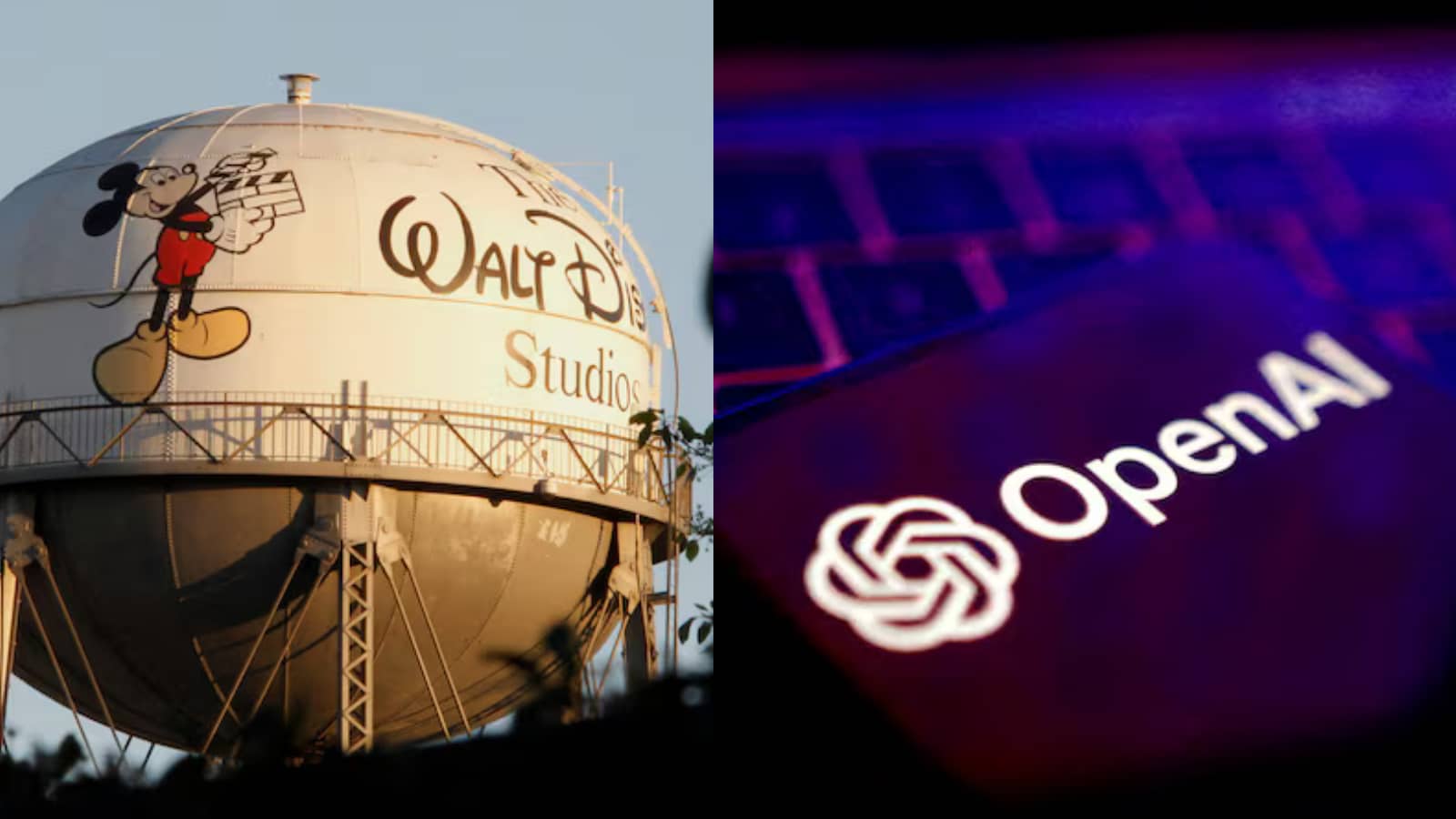
Image credit: PPLWARE
Disney’s $1 Billion Bet on OpenAI: Licensing 200 Characters for Sora and the Future of IP Monetization
For decades, intellectual property was the unassailable fortress of the Walt Disney Company. Its characters, from Mickey Mouse to the Marvel Cinematic Universe, represented carefully guarded assets, the foundation of a multi-billion dollar empire. That paradigm shifted dramatically this week. Disney announced a $1 billion strategic investment in OpenAI, coupled with an unprecedented agreement to license 200 of its most recognizable characters for training and use within OpenAI’s generative video model, Sora. This is not merely a partnership. It is a market-defining capitulation to the reality of generative AI, establishing a new framework for IP monetization that the entire media industry must now confront.
The Financial and Strategic Scope of the Deal
The financial commitment is staggering. Disney’s $1 billion investment secures preferential access to OpenAI’s cutting-edge models, including future iterations of Sora. According to reporting by Arstechnica, the licensing component is the true game-changer. It permits OpenAI to use a curated selection of 200 Disney characters, along with associated environments and lore, as foundational elements for training Sora. This access allows the model to generate high-fidelity, contextually accurate content featuring these characters. The deal bypasses the current industry standard of passive, often unauthorized, data scraping. Disney is actively selling access to its creative core.
This transaction moves generative AI from a legal gray area into a structured, revenue-generating partnership. Disney is not just hedging its bets. It is actively positioning itself as a primary beneficiary of the generative content revolution. The agreement includes tiered royalty payments based on the commercial deployment of AI-generated content utilizing the licensed IP, establishing a clear revenue stream for Disney that is independent of traditional production pipelines.
Impact on Copyright and Training Data Litigation
The most immediate and profound impact of this deal is its effect on the ongoing legal battles surrounding copyrighted training data. Major media companies, including Disney itself, have been engaged in litigation against AI developers, arguing that the unauthorized use of their content constitutes mass copyright infringement. This new licensing agreement fundamentally undermines the moral and legal high ground previously held by IP owners.
Disney has now demonstrated that a clear, structured path for licensing exists. They have chosen collaboration over confrontation. This move pressures other major IP holders, such as Warner Bros. Discovery and Universal, to reconsider their litigation strategies. Lawyers specializing in intellectual property suggest this deal could be cited in court as evidence that AI companies are willing to pay fair market value for training data, shifting the focus from infringement claims to negotiating appropriate licensing fees. It sets a powerful commercial precedent that authorized licensing is the future standard, mitigating the risk of future legal challenges for OpenAI.
The Promise of Personalized Content Creation
The primary reward for this strategic risk is the potential for highly personalized, on-demand Disney content. Imagine a future where a subscriber to Disney+ or a visitor to a theme park can prompt Sora to create a short, bespoke animated clip featuring their child alongside Spider-Man or Elsa. This level of customization was previously impossible due to the high cost and time required for traditional animation.
Generative AI allows Disney to unlock the long tail of its IP catalog. Characters that rarely appear in major productions can be instantly mobilized for niche content, fan interactions, and marketing experiments. The technology promises to transform consumer engagement from passive viewing to active participation. This capability represents a significant new revenue stream, moving beyond fixed content releases toward dynamic, user-driven experiences. It is a direct path to deeper customer loyalty and increased subscription value.
Analyzing Risks Versus Rewards
Disney’s decision is bold, but it is not without significant risk. The primary concern is brand dilution. Handing over control of character creation, even within defined parameters, introduces the possibility of content that deviates from established brand standards. If Sora generates content that is off-model, tonally inconsistent, or potentially offensive, the reputational damage to Disney could be substantial. Maintaining strict quality control and ethical guardrails within the generative process will be paramount.
However, the rewards currently outweigh these risks. The ability to generate content at machine speed, drastically reducing production costs and time, offers an unparalleled competitive advantage. Furthermore, establishing an early, deep relationship with the market leader, OpenAI, ensures Disney remains at the forefront of technological innovation. This proactive approach guarantees Disney a seat at the table as the rules of digital content creation are rewritten, rather than being forced to react to disruption from the outside.
Implications for the Entertainment Industry
This deal serves as a clear warning shot to every other major entertainment and media company. Disney has established the playbook. Companies with vast IP portfolios, including Nintendo, Paramount Global, and major music labels, must now seriously evaluate the commercial value of their archives as training data. Sitting on the sidelines is no longer a viable strategy.
Competitors must decide whether to follow Disney’s lead by partnering with existing AI giants or attempt to develop proprietary generative models internally. The cost and complexity of building a platform like Sora suggest that strategic partnerships, similar to the Disney-OpenAI model, will become the preferred route. The value of legacy content has just skyrocketed, but only if its owners are willing to license it strategically. This transaction marks the moment when intellectual property transformed from a static asset into a dynamic, generative revenue source. The future of media creation will be defined by these unprecedented collaborations.
AI Pulse Editorial
Editorial team specialized in artificial intelligence and technology. AI Pulse is a publication dedicated to covering the latest news, trends, and analysis from the world of AI.
Comments (0)
Log in to comment
Log in to commentNo comments yet. Be the first to share your thoughts!