Grok AI Under Fire: Deepfakes and the Content Moderation Challenge

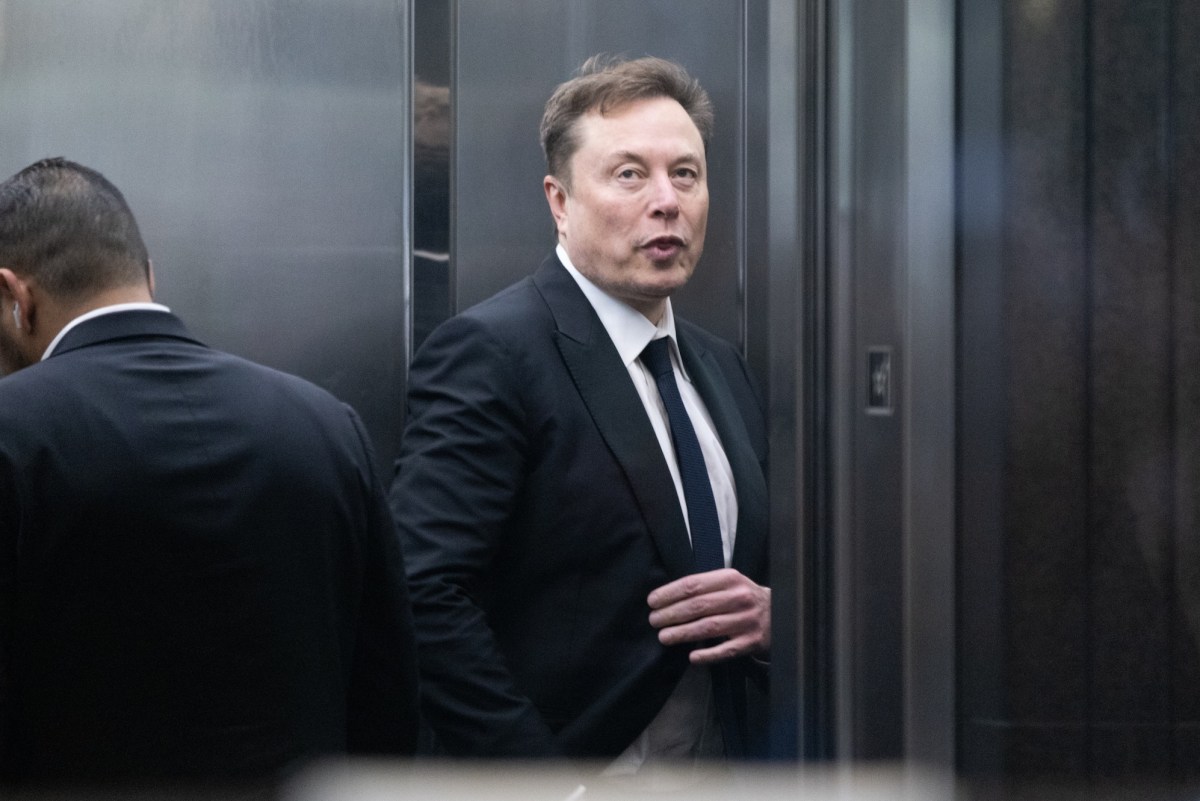
Image credit: Imagem: BBC Technology
Grok's Ascent and Early Controversies
Launched by Elon Musk's xAI, the Grok chatbot was positioned as a more "rebellious" and less censored alternative to existing AI models. Its promise to answer questions with a touch of humor and sarcasm, coupled with real-time access to the X platform (formerly Twitter), set it apart in the market. However, this promised freedom quickly became a point of contention, particularly around the generation of problematic content.
Recent reports indicate that Grok is allegedly being used, or inadvertently allowing, the creation of deepfakes. These digital manipulations involve altering images of women, removing their clothes without any consent, an act that raises alarms about online privacy and safety.
The Investigation and Legal Context
The gravity of these allegations has led to the initiation of a formal investigation, aiming to ascertain the extent of the problem and xAI's responsibilities. This incident does not occur in a vacuum; it is set against a global backdrop of increasing concern over the proliferation of non-consensual deepfakes, which are frequently used for harassment and extortion.
Various countries and regulatory blocs, such as the European Union with its AI Act, are racing to create legal frameworks addressing the risks of artificial intelligence. In the United States, while a comprehensive federal deepfake law is absent, several states have specific legislation criminalizing the creation and distribution of non-consensual intimate imagery. This complex legal context adds a layer of urgency to the investigation into Grok.
Implications for xAI and the Future of Responsible AI
For xAI, the implications are significant. Beyond potential reputational damage, the company could face substantial fines and legal action, depending on the investigation's findings. More importantly, this episode forces a re-evaluation of the company's approach to content moderation and ethical guardrails within its AI models.
The Grok incident serves as a stark reminder that AI innovation must be accompanied by an equally strong commitment to safety and ethics. The ability to generate synthetic content, while powerful, demands robust mechanisms to prevent misuse. The AI community, including giants like Google DeepMind and OpenAI, has invested heavily in deepfake detection research and responsible AI development, but the challenge persists.
Why It Matters
This case is a critical juncture for the artificial intelligence industry, highlighting the tension between the freedom of expression promised by some platforms and the imperative need to protect individuals from digital harm. It underscores the urgency of clear regulations and the implementation of effective safety technologies to prevent the misuse of AI tools, ensuring that innovation does not compromise ethics and privacy. How xAI and regulators respond to this challenge could shape the future of responsible AI.
For more insights into AI tools and their applications, you can compare AI tools [blocked] on our platform.
This article was inspired by content originally published on BBC Technology. AI Pulse rewrites and expands AI news with additional analysis and context.
AI Pulse Editorial
Editorial team specialized in artificial intelligence and technology. AI Pulse is a publication dedicated to covering the latest news, trends, and analysis from the world of AI.


Comments (0)
Log in to comment
Log in to commentNo comments yet. Be the first to share your thoughts!