Hugging Face Open-Sources AI Models for Skills Training
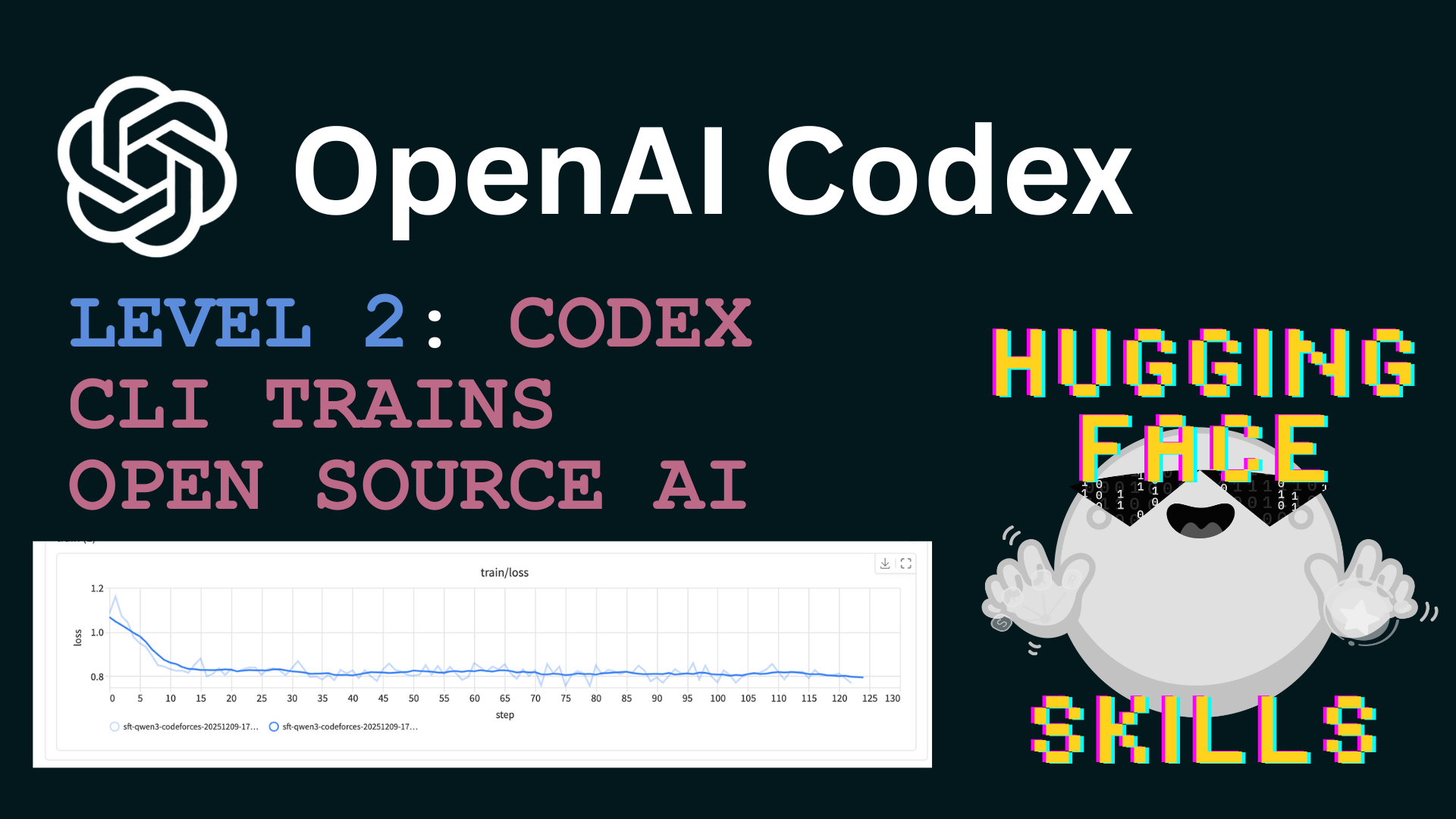
Image credit: Imagem: Hugging Face Blog
Hugging Face Boosts Open AI with New Model Releases
Hugging Face, renowned for its dedication to democratizing artificial intelligence, has taken a significant step by announcing the open-sourcing of a suite of AI models specifically designed for skills training. This initiative underscores the company's commitment to making cutting-edge technology accessible to developers, researchers, and businesses worldwide, fostering an ecosystem of collaborative innovation.
Traditionally, many powerful AI models remain under proprietary licenses, limiting their use and adaptation. Hugging Face's strategy, in contrast, has been to promote an environment where the community can inspect, modify, and build upon existing technologies, thereby accelerating the pace of AI progress. This move aligns with a broader trend towards open science and collaborative development in the tech industry, as highlighted by various research initiatives in open AI.
The Role of "Codex" and Other Models in Skills Training
Among the notable models now available, "Codex" (a name similar to an OpenAI model, used by Hugging Face for its own skills-focused models) stands out, focusing on assisting with specific skill development. These models are engineered for tasks ranging from code generation and programming assistance to understanding complex languages and automating processes. The core idea is that by providing open access to these tools, organizations and individuals can create more tailored and efficient solutions for real-world challenges.
The open-sourcing of these models enables developers to explore their internal architectures, optimize their performance for specific use cases, and even combine them with other open-source models to create hybrid systems. Hugging Face's platform, already hosting thousands of models and datasets, serves as a central hub for this collaboration, facilitating the discovery and sharing of AI resources. For a deeper dive into available tools, you can compare AI tools [blocked] directly on our platform.
Implications for the Artificial Intelligence Landscape
Hugging Face's decision to expand its portfolio of open-source models carries broad implications for the future of AI. Firstly, it lowers the barrier to entry for AI development, allowing smaller companies and startups to innovate without the need for heavy investment in foundational model research and development. Secondly, it promotes transparency and auditability of AI systems, a crucial aspect for ensuring ethics and safety as these technologies become more integrated into our lives. This open approach is often advocated by organizations like the Mozilla Foundation for responsible AI development.
This approach contrasts with some larger corporations that keep their most advanced models closed, citing security and control. However, the open-source community argues that collaboration and peer review are, in fact, the best ways to identify and mitigate risks. For more insights into Hugging Face's initiatives, visit the official Hugging Face blog.
Why It Matters
Open-sourcing AI models like those from Hugging Face is a catalyst for innovation and the democratization of technology. By enabling more people to access and modify advanced AI tools, we are accelerating the creation of new applications and the resolution of complex problems across various industries, from healthcare to education. This also fosters a global community of developers and researchers, driving transparency and collaboration in the field of artificial intelligence. This push for open-source AI is gaining traction, with institutions like Stanford University also contributing to open-source AI research.
This article was inspired by content originally published on Hugging Face Blog. AI Pulse rewrites and expands AI news with additional analysis and context.
AI Pulse Editorial
Editorial team specialized in artificial intelligence and technology. AI Pulse is a publication dedicated to covering the latest news, trends, and analysis from the world of AI.



Comments (0)
Log in to comment
Log in to commentNo comments yet. Be the first to share your thoughts!