LLMs: Unpacking the Latest Breakthroughs and Their Impact

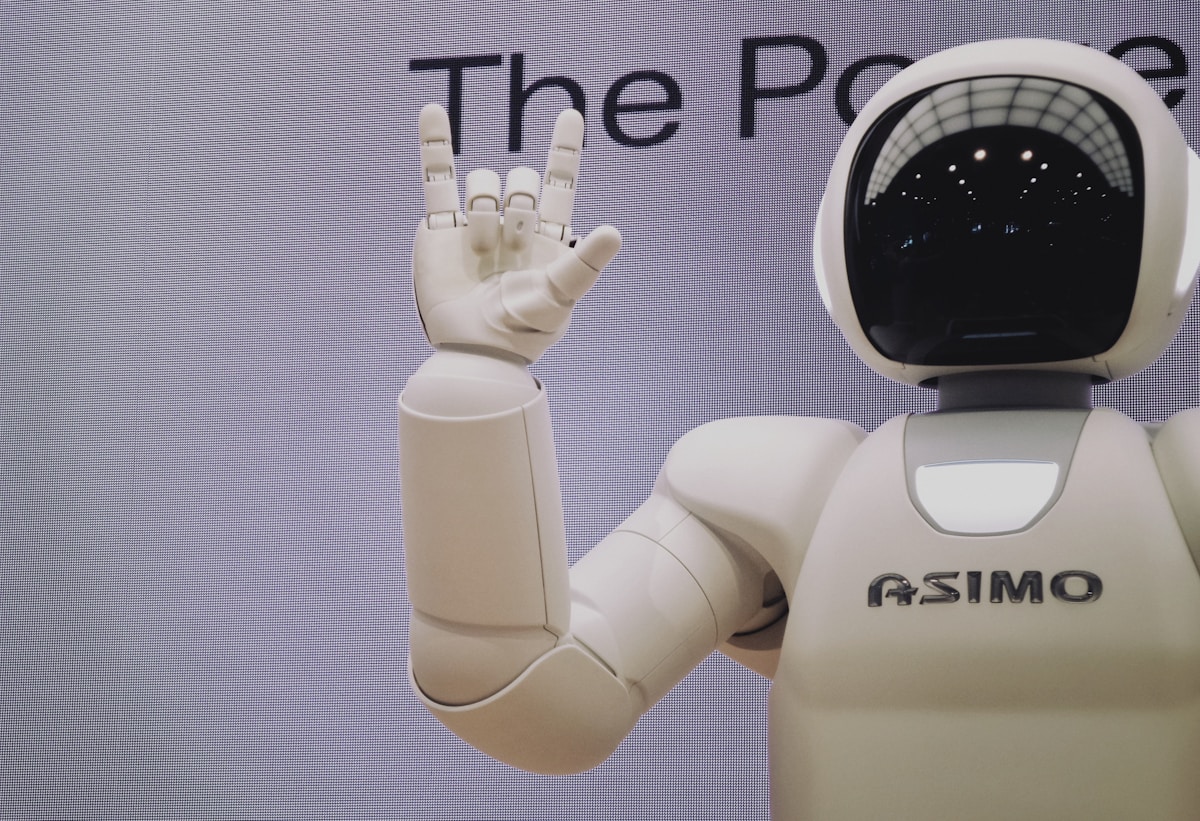
Image credit: Image: Unsplash
The Latest Breakthroughs in Large Language Models (LLMs)
Large Language Models (LLMs) have solidified their position as one of the most dynamic pillars of artificial intelligence, with continuous advancements redefining the boundaries of human-machine interaction. As of January 2026, we observe a convergence of architectural innovations, training methodologies, and application strategies that significantly elevate their capabilities and utility.
Architectural and Scaling Innovations
Despite the dominance of Transformers, recent research has focused on optimizations for efficiency and performance. Models like Gemini Ultra and the hypothetical GPT-4.5 exemplify unprecedented scaling, not just in parameters, but in the diversity of training data and the depth of their multimodal layers. Native integration of modalities such as vision and audio, rather than late-fusion approaches, enables richer contextual understanding. Furthermore, hybrid architectures combining the strengths of Transformers with long-term memory mechanisms or graph neural networks are gaining traction to handle longer sequences and complex reasoning.
Human Feedback and Alignment Reinforcement
Reinforcement Learning from Human Feedback (RLHF) and its variants, such as Direct Preference Optimization (DPO), have become crucial for aligning LLM behavior with human intent and reducing biases. Current research delves into automating and scaling this feedback, exploring more sophisticated reward models and self-improvement techniques. Companies like Anthropic and OpenAI continue to lead the development of safer, more helpful models through rigorous alignment processes, focusing on interpretability and hallucination mitigation.
Reasoning, Planning, and External Tool Integration
One of the most significant areas of progress is the ability of LLMs to perform complex reasoning and multi-step task planning. Techniques like 'Chain-of-Thought' (CoT) and 'Tree-of-Thought' (ToT) have been refined, allowing models to decompose problems, evaluate multiple approaches, and correct errors. Seamless integration with external tools – APIs, databases, search engines – has transformed LLMs into agents capable of interacting with the digital world. This is evident in advanced platforms like Google Assistant and code assistants that not only generate code but also test and debug it.
Future Outlook and Challenges
Current advancements point towards increasingly autonomous LLMs capable of continuous learning. However, challenges such as computational efficiency, model interpretability, and ensuring fairness and privacy remain critical. The democratization of access to these models, through optimized and open-source versions, is a significant focus for the research community, driving innovation and application across various sectors. The next frontier may involve LLMs that learn from less data and adapt more quickly to new domains.
Conclusion
Today's LLMs are more than just text generators; they are reasoning systems and agents that interact with the world. Innovations in architecture, alignment, and tool integration are paving the way for a new era of AI applications, from hyper-personalized personal assistants to scientific research systems. The accelerated pace of development demands continuous vigilance regarding ethical and societal implications, ensuring these powerful advancements serve human well-being.
AI Pulse Editorial
Editorial team specialized in artificial intelligence and technology. AI Pulse is a publication dedicated to covering the latest news, trends, and analysis from the world of AI.


Comments (0)
Log in to comment
Log in to commentNo comments yet. Be the first to share your thoughts!