Microsoft Addresses Energy Costs with New US Power Deal
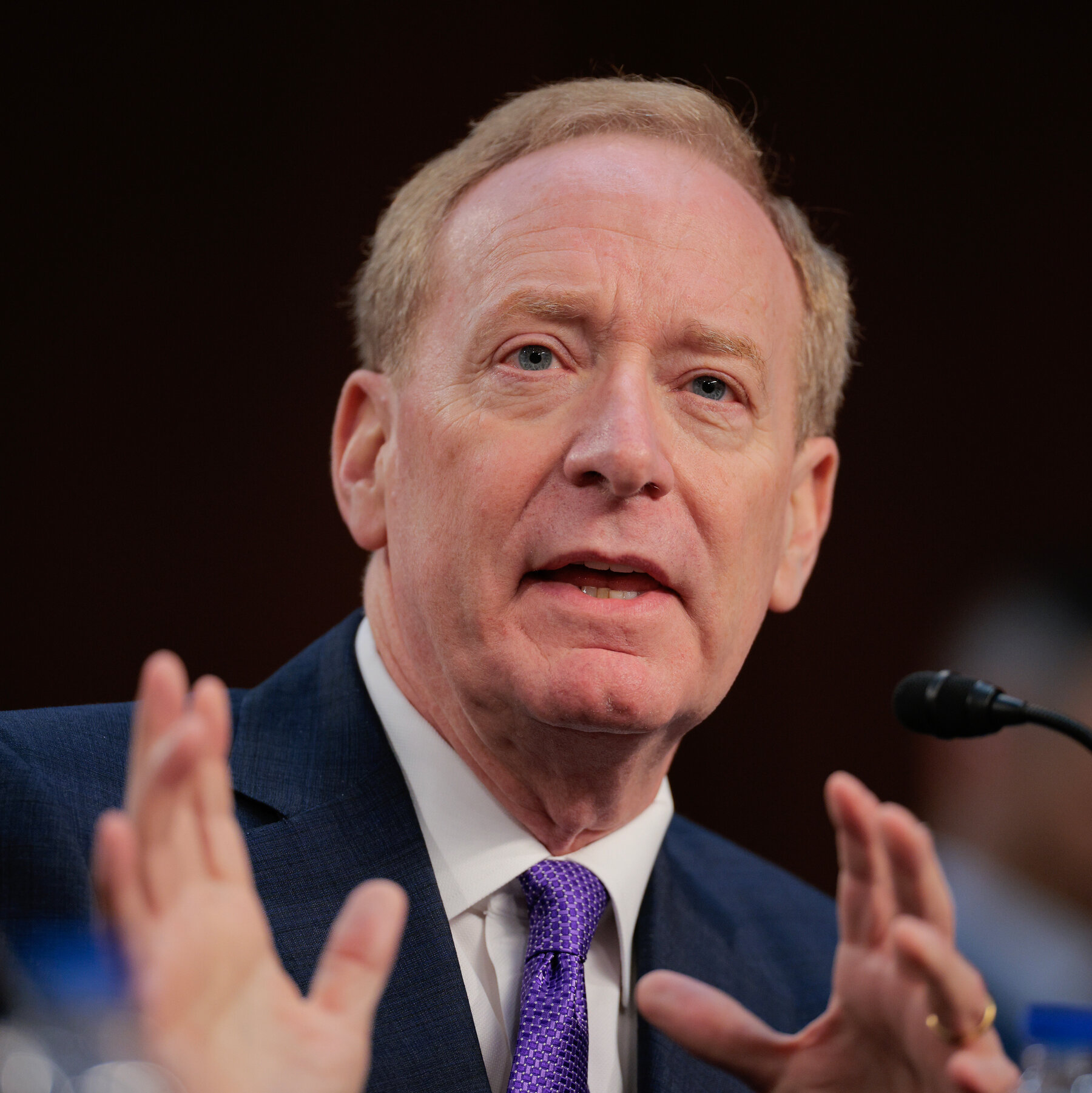
Image credit: Imagem: NYT Technology
The Soaring Energy Demand of Data Centers
The proliferation of data centers, fueled by the escalating demand for cloud services and artificial intelligence, has led to unprecedented energy consumption. These facilities, which are crucial for modern digital infrastructure, require vast amounts of electricity to power servers and cooling systems.
In various regions, the rapid expansion of these data centers has raised concerns about the capacity of local power grids and, more critically, the potential for increased energy costs for nearby residents and businesses. Environmental impact is also a growing consideration, with companies actively seeking more sustainable energy sources.
Microsoft Leads with New Power Agreement
In response to these concerns, Microsoft, one of the world's largest data center operators, announced a plan to pay more for electricity in specific communities across the United States. The initiative aims to offset the increased energy demand from its facilities and, consequently, reduce pressure on local utility rates for ordinary consumers.
This strategic move notably garnered praise from Donald Trump, who highlighted the importance of major tech companies contributing to local infrastructure. While the commendation might seem unusual given political polarization, it underscores the bipartisan nature of the issue regarding data centers' impact on energy infrastructure.
Implications and the Future of Energy for AI
Microsoft's decision could set an important precedent for other large-scale technology companies operating data centers. As the race for artificial intelligence intensifies, the need for more computational power, and thus more energy, is only set to grow. This scenario demands innovative solutions to ensure that technological growth does not overburden power grids or escalate costs for the general public.
Companies like Microsoft are heavily investing in renewable energy and energy efficiency technologies for their data centers. For instance, Microsoft has an ambitious commitment to be carbon negative by 2030, which includes significant renewable energy procurement. Such investments are crucial for a sustainable AI future.
Furthermore, the discussion around data center location and energy infrastructure planning becomes increasingly relevant. Collaboration between tech companies, local governments, and energy providers will be vital in managing this transition. For more insights into how AI is transforming various sectors, you can compare AI tools [blocked] available today.
Why It Matters
Microsoft's initiative marks a significant development in how major tech companies address the impact of their infrastructure. It demonstrates a growing recognition of corporate responsibility regarding energy resources and could catalyze a shift across the industry, ensuring that AI's progress is both sustainable and equitable for the communities hosting it.
This article was inspired by content originally published on NYT Technology by Karen Weise. AI Pulse rewrites and expands AI news with additional analysis and context.
AI Pulse Editorial
Editorial team specialized in artificial intelligence and technology. AI Pulse is a publication dedicated to covering the latest news, trends, and analysis from the world of AI.


Comments (0)
Log in to comment
Log in to commentNo comments yet. Be the first to share your thoughts!