Multimodal AI: Predictions and the Future of Artificial Intelligence
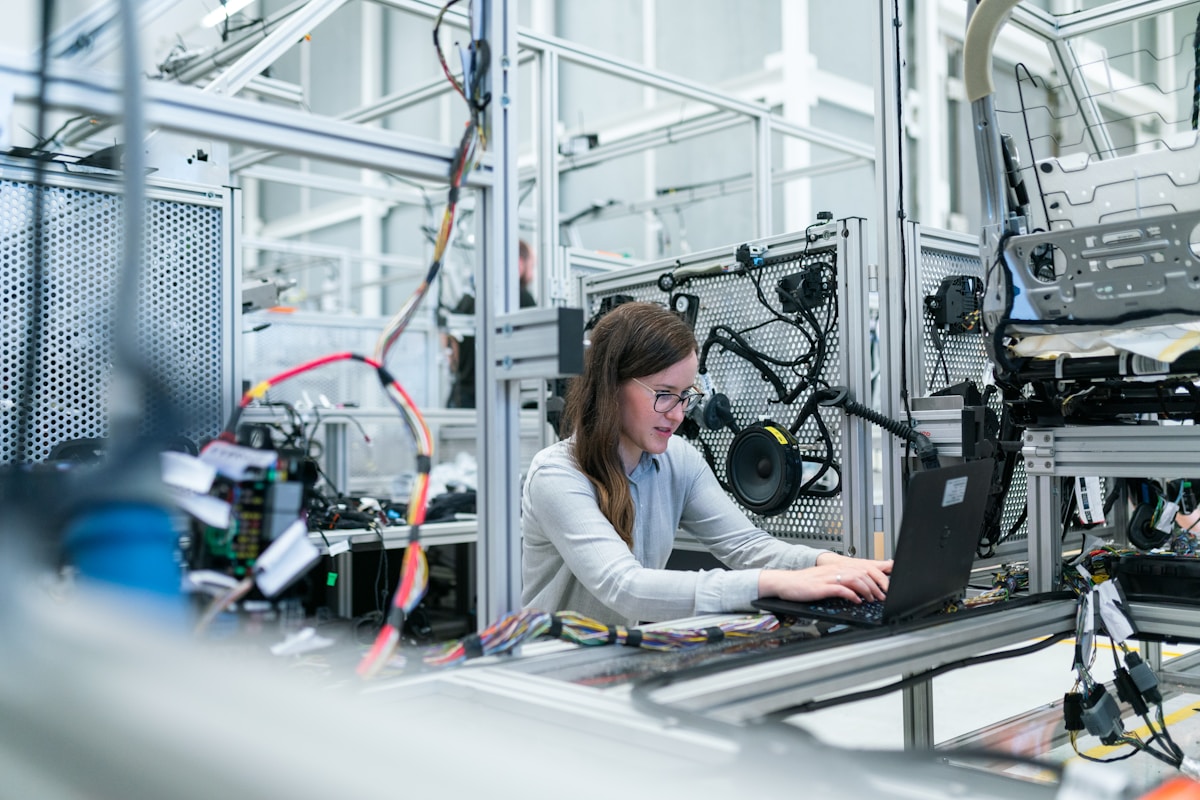
Image credit: Image: Unsplash
Multimodal AI: Predictions and the Future of Artificial Intelligence
Multimodal artificial intelligence (AI), which processes and interlinks information from various modalities such as text, image, audio, and video, stands at the cusp of unprecedented transformation. As we progress into 2026, research in this field points towards increasingly sophisticated systems capable of contextual understanding and more natural interactions with the real world. This evolution promises to redefine how we engage with technology and drive innovation across multiple sectors.
Convergence of Models and Unified Architectures
One of the most prominent trends is the convergence of specialized models into unified architectures. Instead of separate models for each modality, research is focusing on architectures like multimodal Transformers, which can learn joint, coherent representations. Large foundation models, such as those developed by Google DeepMind, OpenAI, and Meta AI, are expected to continue expanding their multimodal capabilities, enabling complex tasks like video generation from text and audio, or advanced visual-linguistic reasoning. The ability to transfer knowledge between modalities will be crucial for the efficiency and scalability of these systems.
Abstract Reasoning and Contextual Understanding
The future of multimodal AI lies in its ability to move beyond superficial recognition and generation, advancing towards abstract reasoning and deep contextual understanding. We predict that systems will be able to infer intentions, emotions, and even anticipate events based on multiple sensory inputs. For instance, a system could analyze body language, tone of voice, and textual content to understand an individual's emotional state and respond empathetically. This will have profound implications in areas such as mental health, personalized education, and more intuitive human-computer interfaces.
Practical Applications and Sectoral Impact
The practical applications of multimodal AI are rapidly expanding. In robotics, multimodal systems will enable robots to operate more autonomously and safely in complex environments, interpreting visual, auditory, and tactile cues simultaneously. In medicine, integrating data from medical imaging, patient histories, and genomics can lead to more precise diagnoses and personalized treatment plans. Furthermore, in content creation, we will see AI tools that generate complete narratives, including scripts, visuals, and soundtracks, from high-level descriptions. Companies like Adobe are already exploring these frontiers, and the next generation of tools will be even more integrated and powerful.
Ethical and Security Challenges
With increasing sophistication come ethical and security challenges. The ability to generate realistic multimodal content raises concerns about deepfakes and misinformation. Research into responsible AI will be paramount to developing detection mechanisms and ensuring the transparency and auditability of these systems. Data privacy will also be a central concern, necessitating innovative approaches to training models with sensitive data.
Conclusion
Multimodal AI research is paving the way for a new era of artificial intelligence, where machines not only process information but understand and interact with the world more holistically. The coming years promise remarkable advancements in model convergence, abstract reasoning, and the proliferation of transformative applications. However, it is imperative that technical progress is accompanied by a strong emphasis on ethics and security, ensuring that the future of multimodal AI benefits everyone.
AI Pulse Editorial
Editorial team specialized in artificial intelligence and technology. AI Pulse is a publication dedicated to covering the latest news, trends, and analysis from the world of AI.


Comments (0)
Log in to comment
Log in to commentNo comments yet. Be the first to share your thoughts!